
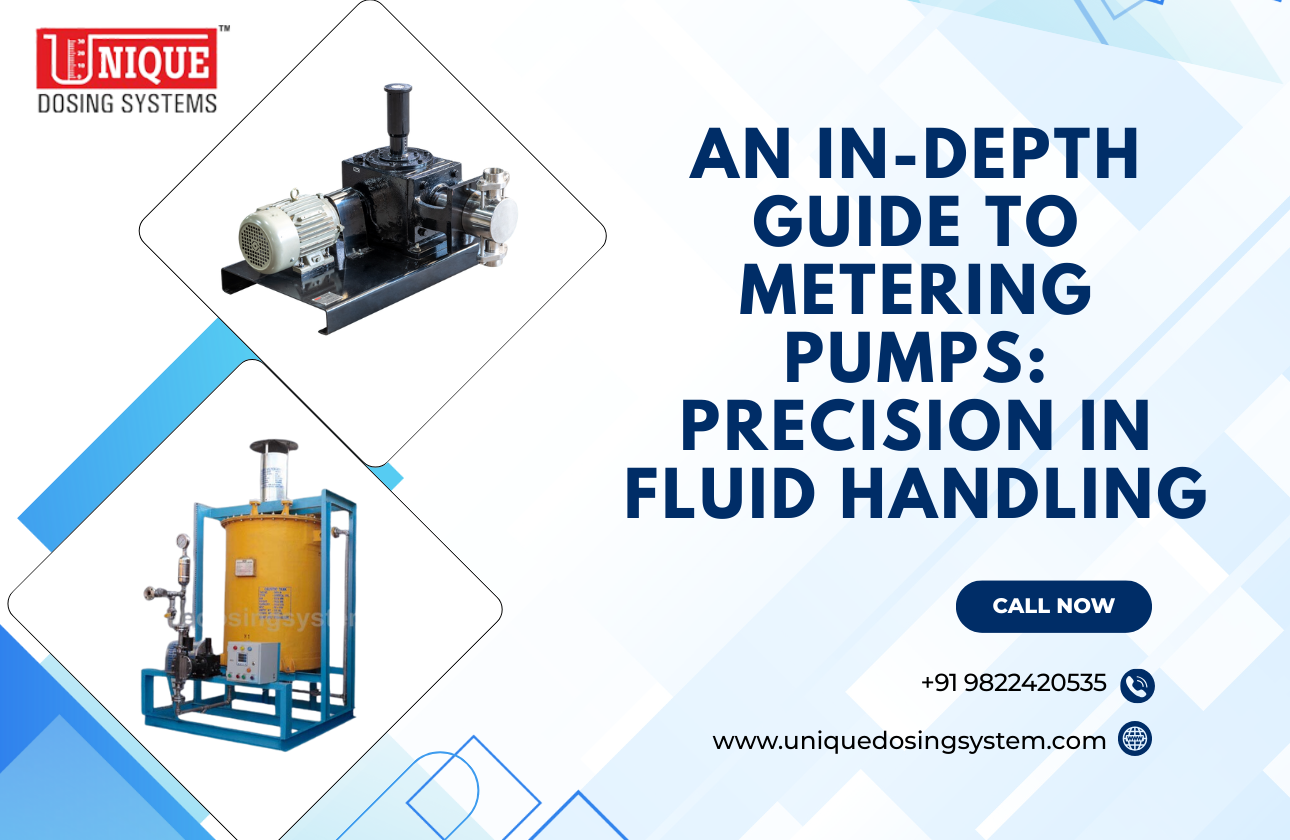
In industries where precision in fluid measurement and transfer is crucial, metering pumps, also known as dosing pumps, stand as invaluable assets. This comprehensive guide delves into what metering pumps are, their essential role in various sectors, and how to choose the right one for your needs.
What Are Metering Pumps?
Metering pumps are specialized pumps designed to deliver precise amounts of fluids at a controlled flow rate. Commonly used in water treatment, chemical processing, and food and beverage industries, these pumps ensure accurate dispensing of chemicals, additives, and other fluids. Their ability to control flow rates makes them indispensable in processes where minute quantities have significant impacts.
Types of Metering Pumps
Several types of metering pumps exist, each with unique features suited for specific applications:
- Diaphragm Pumps: These pumps use a diaphragm and check valves to pump fluids, providing a seal-less option that reduces leakage risks.
- Plunger Pumps: Ideal for high pressure applications, plunger dosing pumps use a reciprocating plunger to create the desired flow.
- Peristaltic Pumps: Known for gentle fluid handling, these pumps move fluids through flexible tubes squeezed by rotating rollers.
- Hydraulic Actuated Pumps: These utilize hydraulic fluid to move the pump's diaphragm, ensuring precise control of high pressures.
Applications of Metering and Dosing Pumps
The adaptability of metering and dosing pumps to a wide range of applications accentuates their utility:
- Water Treatment: Used for chemical dosing and pH balancing in treatment plants.
- Chemical Processing: Essential for handling corrosive and hazardous chemicals with accuracy.
- Pharmaceutical Manufacturing: Facilitates precise ingredient mixing and sterile environment fluid handling.
- Food and Beverage Industry: Ensures the accurate addition of flavors and preservatives.
Choosing the Right Metering Pump
Selecting an appropriate metering pump involves evaluating several key factors:
- Flow Rate Requirements: Determine the exact volume of fluid necessary for your process.
- Pressure Conditions: Ascertain the maximum operating pressure to ensure pump compatibility.
- Fluid Properties: Consider the chemical properties, viscosity, and potential abrasiveness of the fluids.
- Material Compatibility: Ensure pump materials are compatible with the fluids to avoid corrosion or degradation.
Benefits of Using Metering Pumps
The adoption of metering pumps brings forth several advantages:
- Precision: Accurate fluid measurement and delivery reduce product waste and improve process efficiency.
- Automated Control: Compatibility with process control systems allows for automated and remote operation.
- Safety: Minimizes human exposure to hazardous chemicals by automating the dosing process.
- Versatility: Can handle a wide range of fluids and operating conditions, making them suitable for diverse applications.
In conclusion, metering pump play a pivotal role in ensuring precision and safety in fluid handling across industries. Understanding the various types and applications of these pumps can aid in making an informed decision, thereby enhancing process reliability and efficiency.