
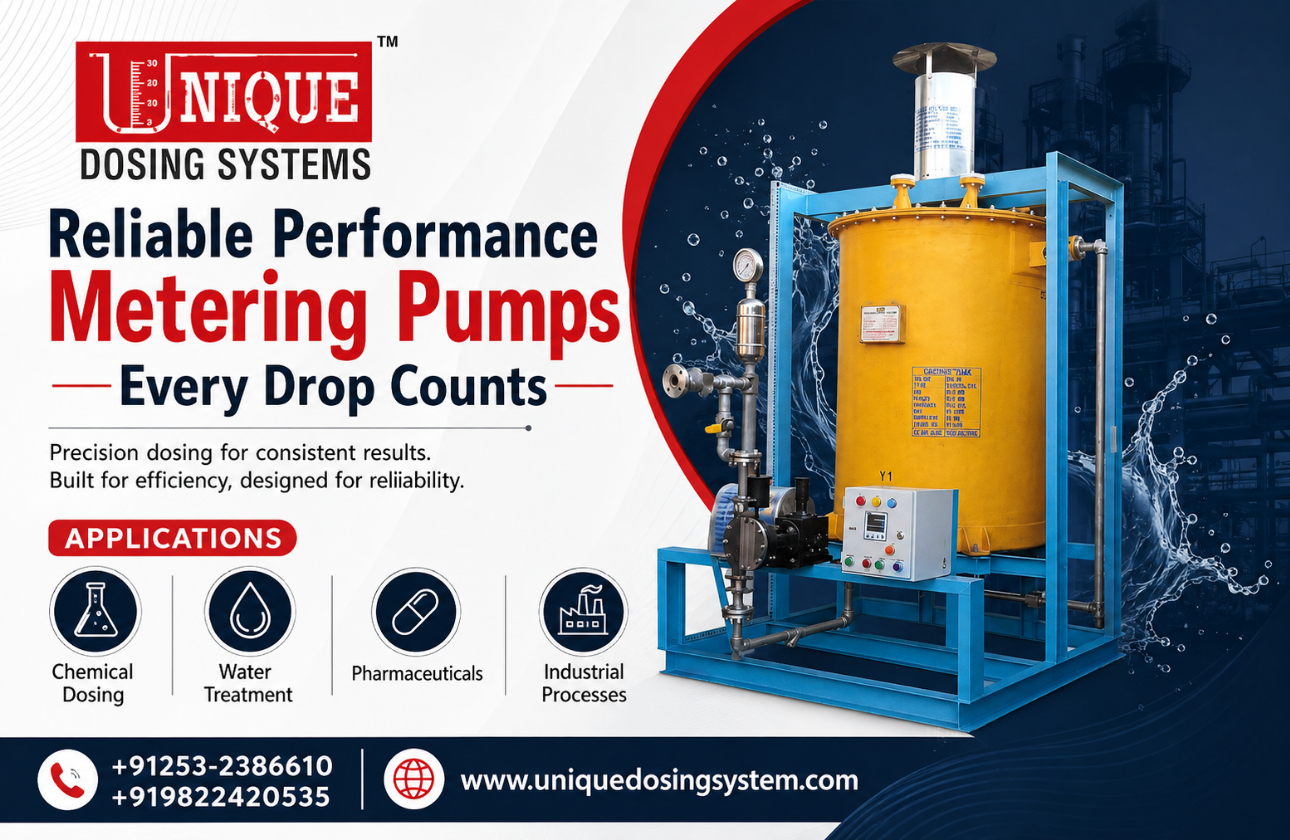
Understanding Dosing Pumps
Dosing pumps are specialized devices used to dispense precise amounts of liquid into a system at a controlled rate. These pumps are crucial in numerous industries, including water treatment, food processing, pharmaceuticals, and more. They help maintain the correct balance of chemicals in a solution, ensuring processes run smoothly and efficiently. The versatility of dosing pumps makes them essential in settings where accuracy in liquid handling is critical. Unlike typical pumps, dosing pumps are designed to handle various types of fluids, be it chemicals, medicines, or food ingredients, adjusting the flow rate as needed. They work continuously or intermittently, depending on the specific application, and can be finely calibrated to achieve the exact dosing requirements needed for each application. For a deeper understanding of dosing pumps, you might explore simple guide to dosing systems.
Types of Dosing Pumps
There are several types of dosing pumps available, each with specific functionalities suited for different applications. Diaphragm pumps, piston pumps, and peristaltic pumps are the most common, each unique in their operational methods. Diaphragm pumps use a reciprocating diaphragm to move liquid, making them suitable for handling aggressive chemicals, such as acids and bases. Piston pumps, on the other hand, use a piston mechanism that is ideal for high-pressure dosing applications. Peristaltic pumps have a rotating element that compresses a tube, pushing the liquid forward, which is great for fluids containing particulates or sensitive, shear-sensitive liquids. Understanding the types of dosing pumps helps in choosing the right one for your specific industrial applications, which is crucial for maintaining efficiency and productivity. For more detailed insights, check out this comprehensive guide to dosing systems.
Advantages of Using Dosing Pumps
The key advantage of dosing pumps lies in their precision and consistency. They deliver the exact amount of liquid required, minimizing waste and ensuring efficient use of resources. This precision is critical in industries like pharmaceuticals, where even minor deviations in chemical dosing can have significant effects. Dosing pumps are also highly reliable and durable, capable of operating in various conditions without losing accuracy. They are designed to handle a variety of chemical compositions, making them adaptable to different industrial needs. Furthermore, modern dosing pumps often come with automated features and integrations, allowing for easy integration into existing systems, reducing the need for manual intervention and lowering operational costs. To explore these benefits further, you might want to visit the comprehensive guide about dosing pumps.
Choosing the Best Dosing Pump for Your Needs
When choosing the best dosing pump for your needs, it’s essential to consider factors such as the chemical compatibility, flow rate, accuracy, and the environment in which the pump will be used. For example, if you’re dealing with corrosive chemicals, a diaphragm pump might be the best choice due to its chemical resistance. If your application requires high pressure and precision, a piston pump could be more suitable. Additionally, consider the size and capacity needed for your specific use case – smaller operations might only require a compact pump, whereas large-scale industrial applications might necessitate more robust equipment. Energy efficiency, maintenance needs, and integration capabilities with existing systems are also crucial factors to consider. For assistance in selecting the right pump, this simple guide on choosing the best dosing pump could be very helpful.
Installation and Maintenance Tips
Proper installation and maintenance are vital to the efficient operation of dosing pumps. Start by ensuring that the pump is installed correctly according to the manufacturer’s instructions, considering the installation position and the correct alignment with the supply lines to prevent any leaks. Regular maintenance is crucial to extend the pump's lifespan and maintain its performance. This includes checking seals and valves regularly for wear and tear, as well as cleaning any build-up of chemicals or particles within the pump. Scheduled servicing by a professional can prevent unexpected breakdowns and maintain the precision and efficiency of your dosing pump. Maintaining a log of maintenance activities can also help track any recurring issues and ensure timely intervention.
Integrating Dosing Pumps into Existing Systems
Integrating dosing pumps into existing systems requires understanding the overall fluid management needs of your application. Many modern dosing pumps are designed with compatibility in mind, allowing for seamless integration with current systems, whether in a factory or a laboratory setting. Consider the control systems you already have in place, such as programmable logic controllers (PLCs) or other automated systems, and choose a dosing pump that complements these technologies. This integration can optimize the dosing process by automating the monitoring and adjusting flow rates based on real-time data, thereby increasing overall efficiency. You can learn more about effective integration from this guide on enhancing efficiency with dosing systems.
Frequently Asked Questions
1. What is a dosing pump?
Answer: A dosing pump is a small positive displacement pump used to inject a chemical or other substance into a flow of water, gas, or steam. They are essential in industries that require precision in liquid handling, ensuring the correct amount of chemical is added to a mixture for optimal results.
2. How do I choose the right dosing pump?
Answer: Choosing the right dosing pump involves considering factors such as the chemical compatibility, required flow rate, accuracy, and the environment where it will be used. It’s crucial to match the pump’s capabilities with the specific needs of your application.
3. Why are dosing pumps important in industries?
Answer: Dosing pumps are crucial because they ensure precision in the addition of chemicals, which can significantly impact product quality and operational efficiency in industries like pharmaceuticals, food processing, and water treatment.
4. What maintenance is required for dosing pumps?
Answer: Regular maintenance of dosing pumps includes checking for wear and tear on seals and valves, cleaning any chemical build-up, and ensuring all components operate smoothly. Scheduled professional servicing is also recommended to keep the pump in optimal condition.
5. Can dosing pumps be automated?
Answer: Yes, most modern dosing pumps come with automation capabilities that allow them to be integrated with existing control systems like PLCs. This feature enhances precision and efficiency by automatically adjusting flow rates based on the system’s requirements.