
Introduction
In the realm of industrial chemical processes, precision in the distribution and dosage of chemicals is not just a necessity—it's a cornerstone of operational efficiency and safety. Enter the world of dosing system and metering pumps, a dynamic duo pivotal in ensuring accuracy and consistency across various sectors, from water treatment to pharmaceuticals and beyond.
Understanding Dosing Systems
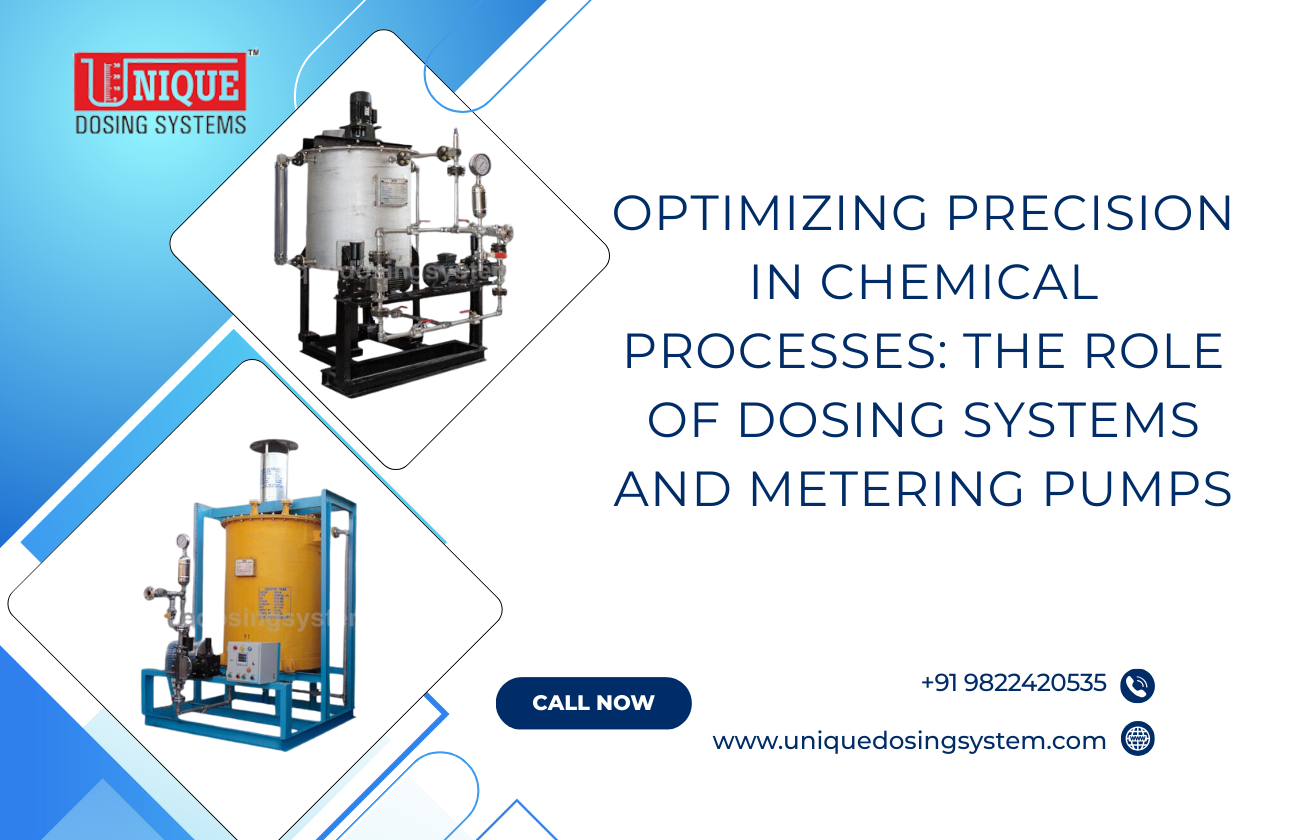
A dosing system is a complete arrangement designed to dispense a fluid at a consistent and accurate rate. This system is indispensable in scenarios where precise chemical application is critical, such as in the treatment of water or in pharmaceutical production. The structure of these systems typically includes a metering pump, a control mechanism, and often integration with a larger automated system.
The Role of Metering Pumps
At the heart of an efficient dosing system lies the metering pump. Metering pumps, renowned for their precision and reliability, are engineered to deliver fluids at a controlled rate. They are equipped with adjustable flow rates, making them versatile for various applications. Their design ensures that the volume of fluid displaced per stroke remains constant regardless of pressure against which the pump is operating, which is crucial for maintaining dosage accuracy.
Types of Metering Pumps
1. Diaphragm Pumps: Utilizing a diaphragm, these metering pump are ideal for handling corrosive or viscous fluids. Their sealed construction minimizes leaks, providing a safe option for hazardous chemicals.
2. Piston Pumps: Known for their high precision and capability to operate at low flow rates, piston pumps are often used in situations demanding extreme accuracy.
3. Peristaltic Pumps: These pumps use a squeezing action along a flexible tube, making them suitable for sterile or highly sensitive fluid deliveries.
Advantages of Using Dosing Systems and Metering Pumps
The integration of dosing systems and metering pumps in industrial operations offers numerous benefits:
- Precision and Control: Ensures exact dosing, reducing waste and avoiding overdoses or underdoses.
- Safety: Minimizes chemical exposure risks for operators and the environment.
- Cost Efficiency: Reduces the amount of chemicals wasted, making the process more cost-effective.
- Versatility: Suitable across a diverse array of industrial applications.
Key Considerations for Selection
When selecting a dosing system or metering pumps, consider factors like compatibility with the chemical being pumped, required flow rate, and operational conditions such as temperature and pressure. Furthermore, ensuring the system integrates well within the existing operational infrastructure is important for seamless functionality.
Conclusion
Dosing systems and metering pumps play an integral role in the optimization of chemical processes. By delivering precise, controlled, and safe chemical dosages, these technologies not only enhance operational efficiency but also contribute significantly to safety and cost-effectiveness. As industries continue to evolve, the demand for advanced dosing solutions will undoubtedly grow, reaffirming the vital role of metering pumps in modern chemical applications.