
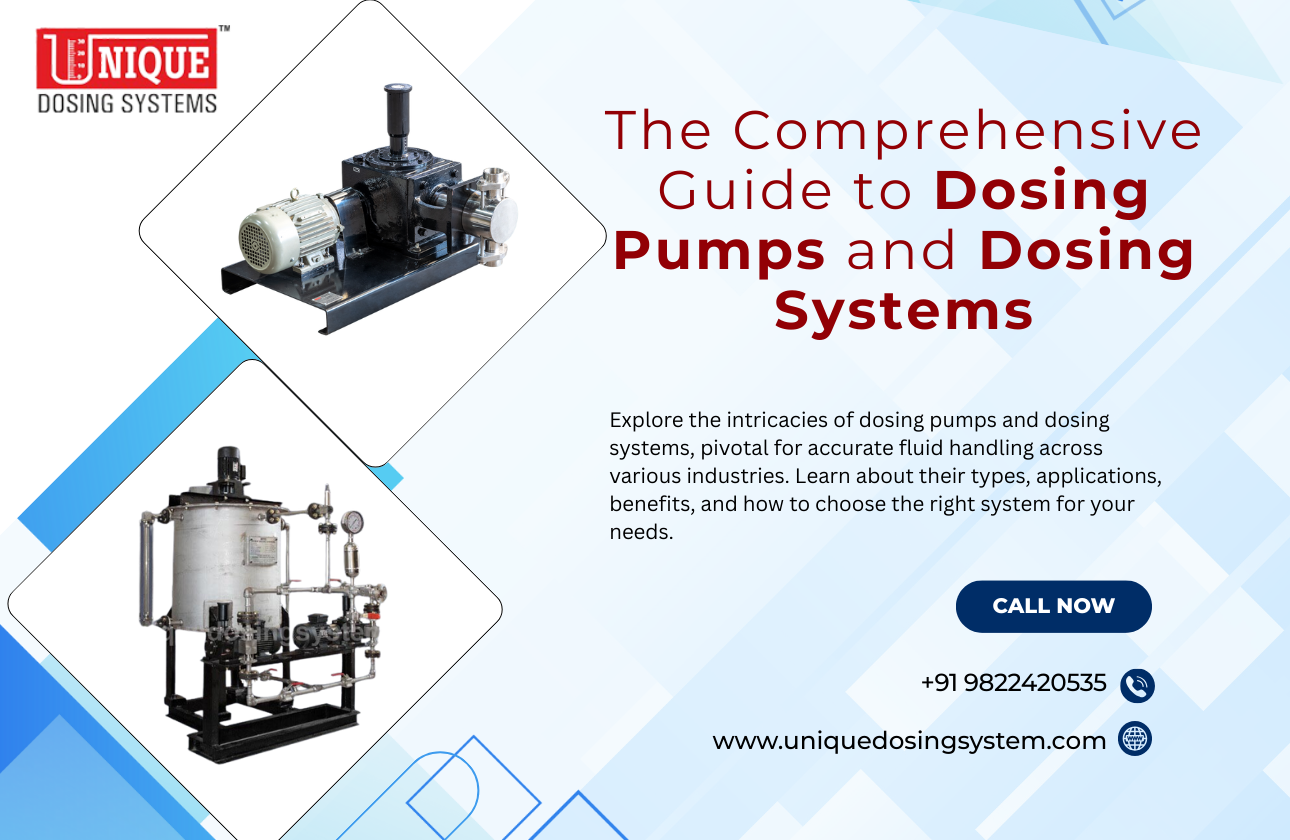
The Comprehensive Guide to Dosing Pumps and Dosing Systems
In industries where precision is critical, such as chemical manufacturing, water treatment, and food processing, dosing pumps and dosing systems play an indispensable role. Understanding how these systems work and the benefits they provide can significantly optimize your production processes. This guide will delve into what dosing pumps are, their applications, and how to choose the best dosing systems for your needs.
What Are Dosing Pumps?
Dosing pumps are specialized pumps designed to inject a precise amount of a fluid into a process or system. Their main function is to ensure that specific quantities of a liquid are dispensed consistently and accurately. Dosing pumps are used in various industries where exact chemical dosing is required to ensure product quality and safety.
Types of Dosing Pumps
Several types of dosing pump are available in the market, each tailored for specific applications and fluid properties:
- Diaphragm Dosing Pumps: These are widely used due to their reliability and ability to handle corrosive and viscous liquids without leaking.
- Peristaltic Pumps: Known for handling sensitive and sterile liquids, these pumps work by compressing a flexible tube to push the fluid through.
- Piston Pumps: Ideal for high-pressure applications, these pumps can deliver precise doses of liquids.
The Role of Dosing Systems
Dosing systems encompass the entire setup required for injecting precise amounts of fluids into a process. This includes not just the dosing pump but also the tanks, sensors, control systems, and piping necessary for a complete and functional solution. The main objective of dosing systems is to automate the dosing process to reduce human error and enhance accuracy.
Critical Applications of Dosing Systems
Dosing systems are integral to various processes across many industries. Some key applications include:
- Water Treatment: Ensures water safety by accurately adding disinfectants, pH adjusters, and coagulants.
- Food and Beverage: Precisely measures additives and flavors to maintain quality and consistency.
- Chemical Processing: Facilitates safe and precise distribution of chemicals for production processes.
Benefits of Using Dosing Systems
Employing a well-designed dosing systems brings numerous advantages, including:
- Precision and Accuracy: Minimize errors in fluid dispensing for consistent product quality.
- Safety: Reduces risks associated with handling and transporting hazardous chemicals.
- Cost-Effectiveness: Optimizes resource utilization and reduces waste.
Choosing the Right Dosing Pump and System
When selecting a dosing pump or system, consider the following factors:
- Nature of the Fluid: Assess chemical properties, temperature, and viscosity.
- Flow Rate and Pressure Requirements: Determines the pump specification needed for your process.
- Automation and Control Needs: Evaluate the level of automation required for optimal operation.
Conclusion
Dosing pumps and dosing systems are vital for industries requiring precise chemical handling. By understanding their types, applications, and benefits, you can choose the best system that ensures efficient, safe, and cost-effective operations. Consider all factors and consult industry professionals to make informed decisions about your fluid handling needs.