
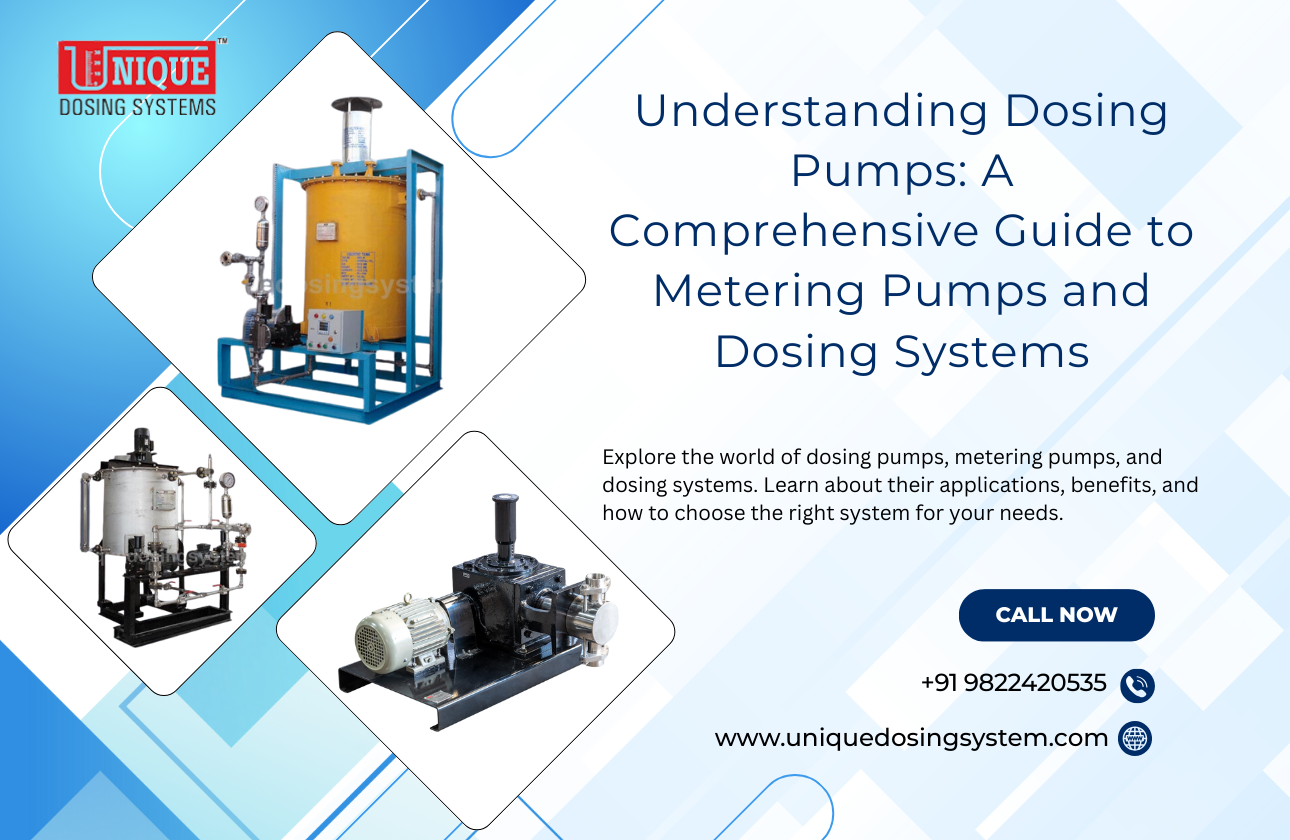
Dosing Pumps: Precision in Fluid Management
In today's fast-paced industrial landscape, the accurate management of fluids is crucial. This is where dosing pump, also known as metering pumps, step in. These remarkable devices are designed to deliver precise volumes of a liquid or chemical into a process system, ensuring optimal efficiency and safety.
What are Dosing Pumps?
Dosing pump are specialized small-scale pumps that allow for a fluid to be controlled and metered into a production flow. They are widely used in industries such as water treatment, chemical processing, and food and beverage manufacturing. The primary function of a dosing pump is to ensure the accurate and consistent injection of a chemical or other substances into an ongoing process.
How Do Metering Pumps Work?
Metering pumps operate by drawing a specific volume of fluid into a chamber and then injecting it with precision into a tank or a pipeline. The control of the fluid is typically achieved through the adjustment of the pump's stroke length or the pump's speed. This precise control makes metering pumps ideal for applications where dose accuracy is critical.
Key Components of Metering Pumps
- Pump Chamber: The main part where the fluid is held before being pumped.
- Check Valves: These ensure the fluid is drawn in and then pumped out in the required direction.
- Drive Mechanism: Typically powered by an electric motor or an air motor, controlling the rate of fluid flow.
Applications of Dosing Pumps
Dosing pumps are pivotal in numerous applications. Some common uses include:
- Water Treatment: For the injection of chlorine and pH balancing solutions.
- Chemical Processing: To add precise amounts of chemicals to a reaction.
- Food & Beverage Industry: For precise dosing of flavorings and additives.
- Pharmaceuticals: In developing precision dosages for formulations.
Understanding Dosing Systems
A metering pumps comprises more than just a dosing pump. It is a complete setup designed to ensure seamless integration and operation within a specific process. This may include tanks, control units, sensors, and distribution pipes. Dosing systems are customized to meet the specific needs of the application and can be automated for enhanced precision and efficiency.
Benefits of Automated Dosing Systems
- Accuracy: Minimize waste and ensure precise chemical delivery.
- Efficiency: Automated systems reduce the need for manual intervention.
- Safety: Reduce human exposure to potentially hazardous chemicals.
Choosing the Right Dosing Pump or System
Selecting the appropriate dosing system depends on several factors, including the chemical to be dosed, the concentration or strength required, the environmental conditions of the operation site, and the required precision of the dose.
Consulting with experts and taking into consideration all operational requirements will help ensure the optimal selection of equipment, ultimately leading to improved process performance and cost savings.
Conclusion
Dosing systems play a vital role in numerous industries, offering precision, reliability, and safety. Whether you are optimizing a water treatment plant or ensuring consistency in pharmaceutical production, understanding and selecting the right dosing equipment is essential for success.