
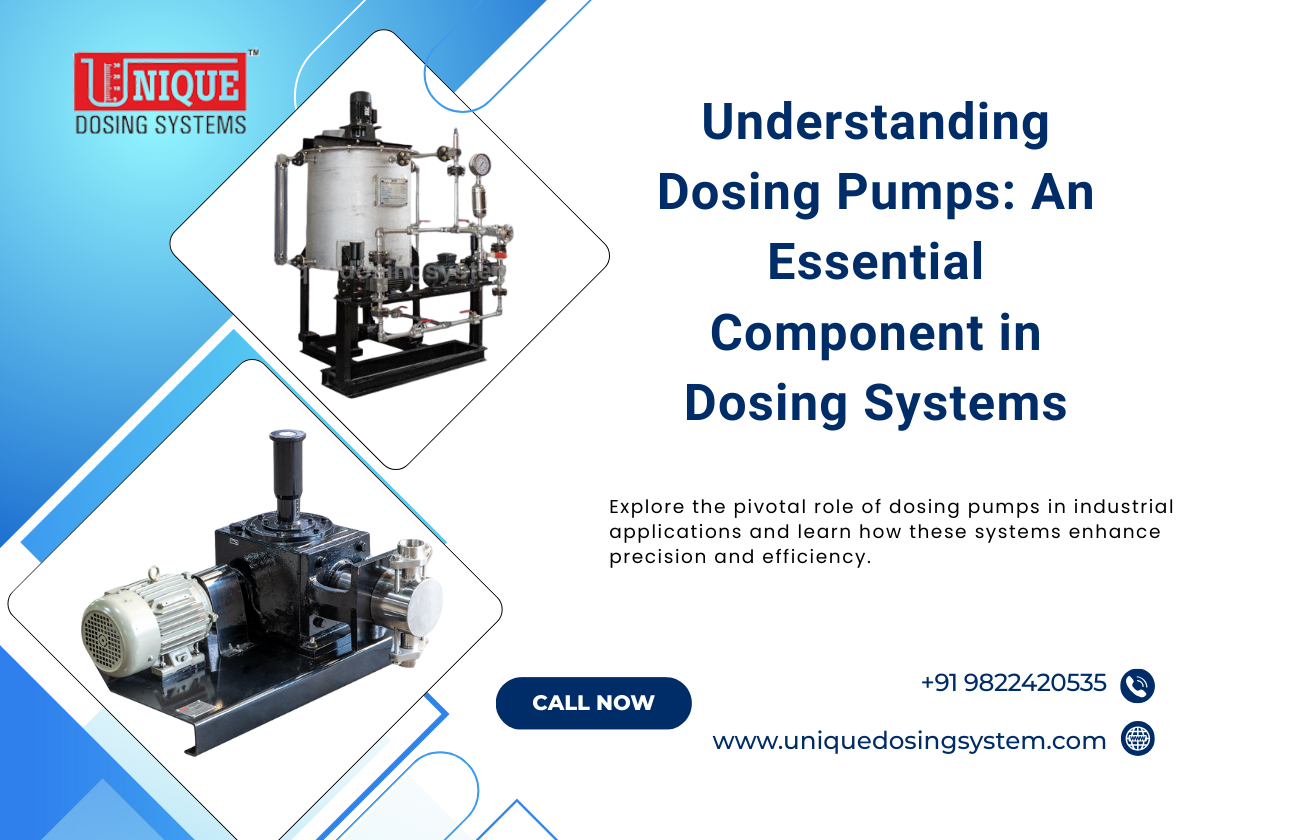
Understanding Dosing Pumps: An Essential Component in Dosing Systems
Dosing pumps are critical in various industrial applications, ensuring the precise delivery of fluids or chemicals into larger systems. From water treatment plants to industrial manufacturing processes, dosing pumps are instrumental in maintaining the efficiency and effectiveness of dosing systems.
What is a Dosing Pump?
A dosing pumps is a small, positive displacement pump designed to inject a precise flow of chemicals or other substances into a system or process. These pumps are exceptionally versatile, capable of handling a range of liquids including harsh or viscous chemicals, making them indispensable in fields like healthcare, water treatment, and food processing.
Types of Dosing Pumps
There are several types of dosing pumps to suit a variety of applications:
- Diaphragm Dosing Pumps: These use a diaphragm, piston, and valves on both the inlet and outlet to operate. They are durable and suitable for handling corrosive substances.
- Peristaltic Dosing Pumps: Often used for low-pressure applications, these pumps operate by compressing and releasing a flexible tube to move the liquid. They are advantageous for gentle, shear-sensitive materials.
- Gear Pumps: These are employed for high-pressure applications where precise Dosing systems and consistent flow control are required, leveraging a set of gears to pump the liquids.
How Dosing Pumps Work Within Dosing Systems
Dosing systems integrate dosing pumps as their crucial component, designed for optimal precision and automation. These systems consist of a series of controls and sensors that monitor and adjust the flow of chemicals. As the pump delivers the right amount of fluid, sensors ensure that the process maintains the required parameters for perfect quality control.
Applications of Dosing Systems
Dosing systems with integrated pumps are used in:
- Water Treatment: To maintain the safe levels of chlorine and pH in drinking water.
- Food and Beverage Industry: For the exact dosing of flavors, vitamins, or additives.
- Pharmaceuticals: Ensuring precise dispensing of active ingredients in drug manufacturing.
The Advantages of Using Dosing Pumps and Systems
The primary benefits of utilizing dosing pump within dosing systems include:
- Accuracy and Precision: These systems provide controlled delivery of chemicals, reducing waste and ensuring consistent quality.
- Automation and Control: Modern dosing systems offer advanced automation features, reducing human error and improving safety.
- Cost Efficiency: By optimizing the dosing process, these systems help in minimizing raw material costs and operational expenses.
Choosing the Right Dosing Pump for Your Needs
Selecting the appropriate dosing pump depends on several factors such as the chemical's properties, flow rate, and pressure requirements. Consulting with specialists familiar with dosing systems can help tailor a setup to your specific industrial needs, ensuring effective and efficient operation.
Dosing pumps and dosing systems are essential for achieving precise control over industrial processes. By understanding their functions and benefits, businesses can enhance their operational efficiency and meet stringent quality standards.