
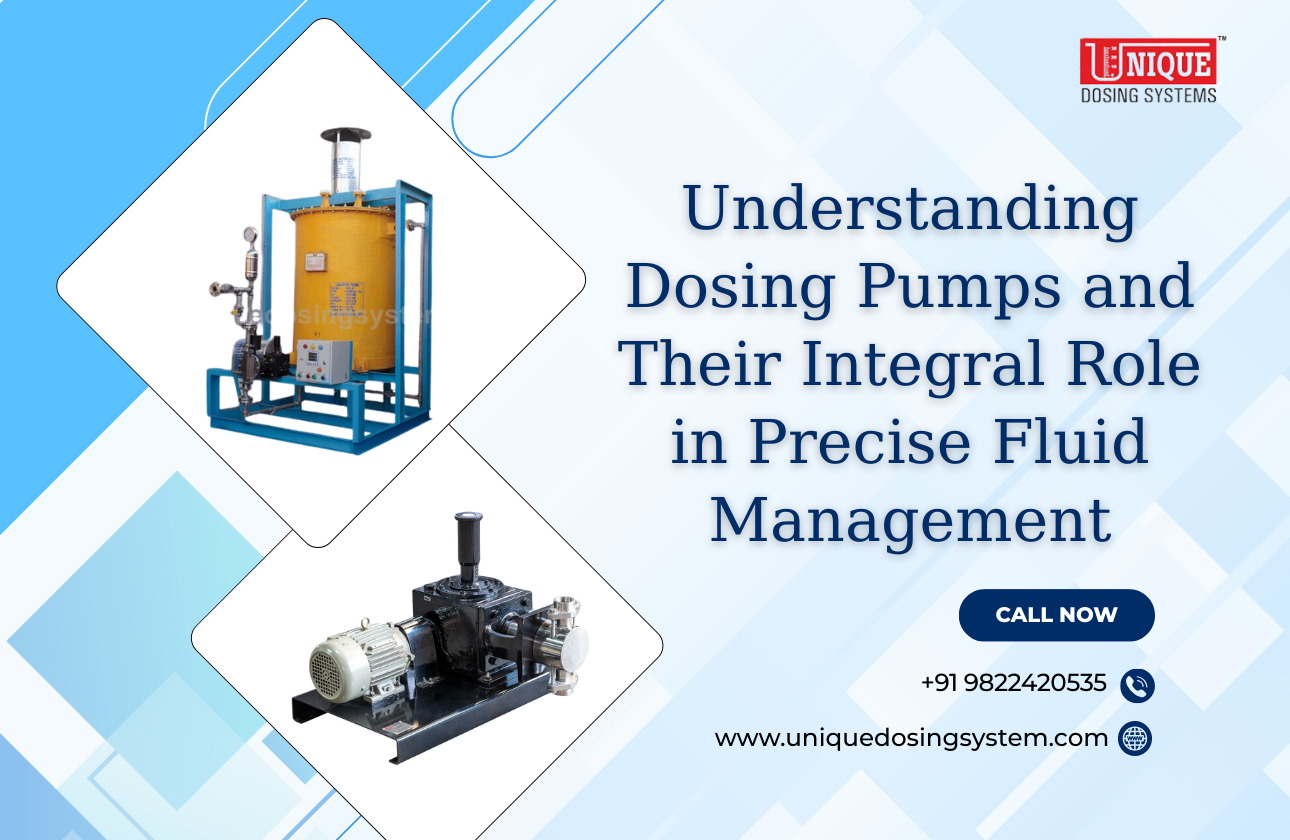
Introduction to Dosing Pumps
Dosing pumps, also known as metering pumps, are a fundamental component in a variety of industries for the precise dispensing of fluids. These sophisticated devices are engineered to deliver a specific volume of liquid, ensuring accurate chemical dosing and fluid management.
How Dosing Pumps Work
At their core, dosing pumps function by drawing a consistent volume of liquid into a chamber and then injecting it into a piping system or a vessel. The precision of the pump is attributed to its ability to regulate flow rates, which are often adjustable, providing users with the flexibility to fine-tune processes according to specific requirements.
Types of Dosing Pumps
There are several types of dosing pumps, each designed to cater to different applications and environments. Some of the most common types include:
- Diaphragm Pumps: Utilizing a flexible diaphragm, these pumps excel in applications where leakage must be prevented, and high pressure is required.
- Piston Pumps: Known for their ability to pump fluids with very high accuracy, piston pumps are widely used in applications requiring precise dosages.
- Peristaltic Pumps: These pumps work by compressing and releasing a tube, pushing fluid through with each cycle, making them ideal for handling abrasive or viscous fluids.
Common Applications of Metering Pumps
Dosing pumps are pivotal in industries such as water treatment, chemical processing, and pharmaceuticals, where the precise injection of chemicals or additives is crucial. They play a significant role in processes like:
- Water Treatment: Ensuring the correct amount of disinfectants or nutrients is added to water supplies.
- Manufacturing: Providing specific doses of paint, ink, or chemical additives in industrial processes.
- Agriculture: Delivering fertilizing solutions to crops with precision.
Benefits of Using Dosing Pumps
The advantages of employing dosing pump are manifold. Primarily, they offer unmatched accuracy, which is crucial for maintaining the integrity of complex chemical formulations and meeting stringent industry regulations. Additionally, they reduce waste and operational costs by delivering exact quantities of liquids, enhancing process efficiency.
Conclusion
In conclusion, dosing pumps are indispensable tools in modern industrial applications, ensuring precision and reliability in fluid management. As industries continue to evolve, the demand for advanced metering pumps tailored to specific needs is expected to grow, encouraging further innovation in this field.
Investing in high-quality dosing pumps can significantly enhance operational efficiencies, ensuring optimal performance across various sectors. By understanding the different types and applications of these pumps, businesses can make informed decisions that drive productivity and compliance.