
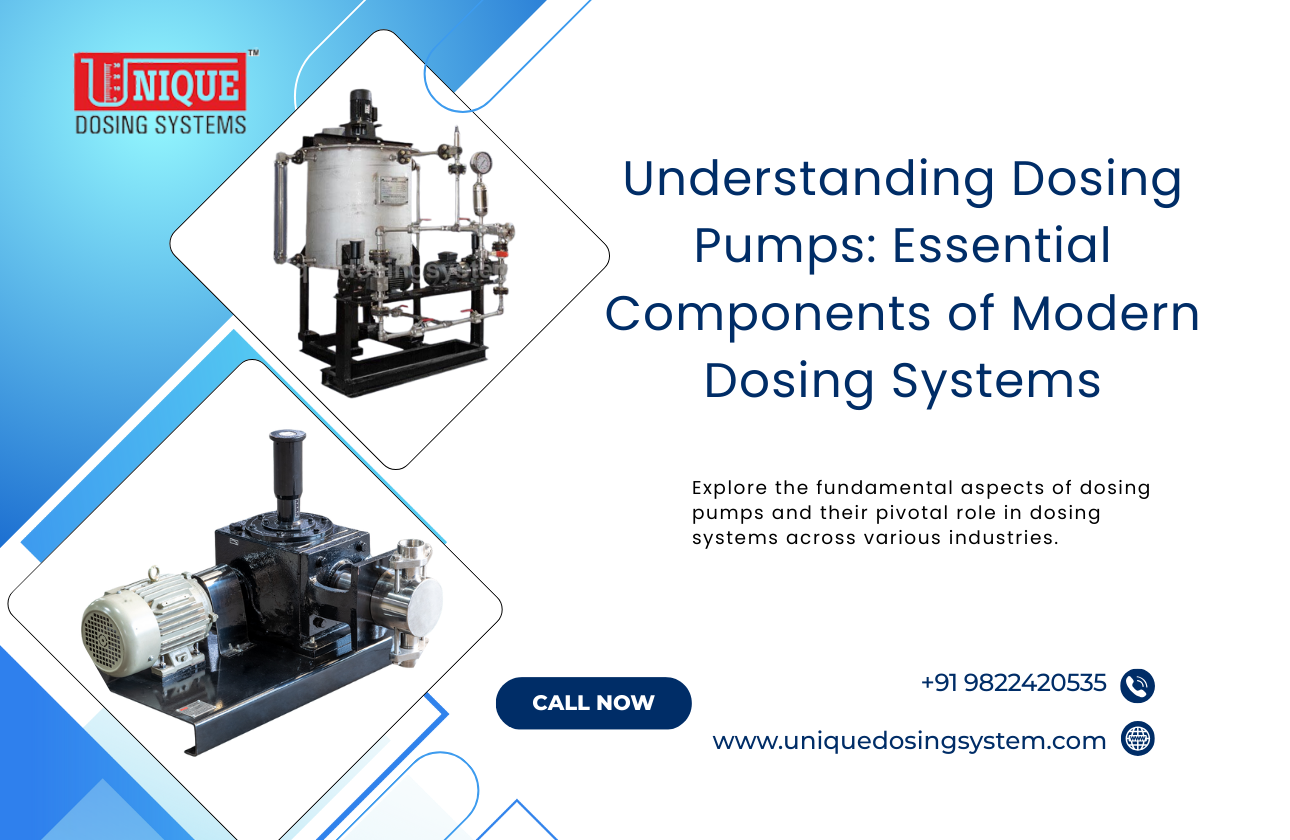
Understanding Dosing Pumps: Essential Components of Modern Dosing Systems
Dosing pumps are indispensable components in numerous industrial processes, ensuring precise chemical measurements are delivered exactly where and when they are needed. From water treatment to food processing, dosing pumps and dosing systems enhance product quality and safety while reducing waste and operational costs.
What is a Dosing Pump?
A dosing pumps is a specialized pump designed to deliver a precise flow rate of a chemical or substance into a system. Whether it’s adding chlorine to a swimming pool, supplying nutrients in hydroponics, or introducing additives in the pharmaceutical industry, dosing pumps offer accuracy and control that are crucial for maintaining operational efficiency.
Types of Dosing Pumps
Several types of dosing pump exist, each suited to specific applications. Some of the common types include:
- Diaphragm Pumps: Using a diaphragm, these pumps can handle a wide range of chemicals, including those that are viscous or corrosive. They are widely used due to their precise flow control and durability.
- Peristaltic Pumps: These pumps move fluids through a flexible tube, ideal for sterile and sanitary applications such as in the food and beverage industry.
- Piston Pumps: Known for high pressure applications, piston pumps offer excellent dose accuracy, making them suitable for agricultural and industrial processes.
Components of a Dosing System
A comprehensive dosing system typically includes the following components:
- Dosing Pump: The core of the system, facilitating the controlled delivery of chemicals.
- Control Panel: Allows operators to set the dosing pump rate and monitor the system’s performance.
- Piping and Valves: Ensures the safe transport and delivery of chemicals within the system.
- Storage Tanks: Used to store chemicals before they are pumped into the system.
- Sensors and Detectors: Provide feedback to ensure dosing accuracy and system safety.
Advantages of Using Dosing Pumps in Dosing Systems
Incorporating dosing systems into your operations offers several benefits:
- Precision: Achieve exact dosing requirements, enhancing product quality and reducing waste.
- Safety: Reduce manual handling and the associated risks, ensuring a safer workplace.
- Cost-Effective: Minimize chemical overuse and inefficiencies, leading to cost savings over time.
Conclusion
Dosing pumps and dosing systems are vital for the automation and optimization of chemical dosing in various industries. By understanding the types of pumps available and the components of an effective dosing system, businesses can enhance operational efficiency, product quality, and safety standards. Whether you are in water treatment, agriculture, or manufacturing, leveraging advanced dosing technology is key to staying competitive in today's fast-paced environment.