
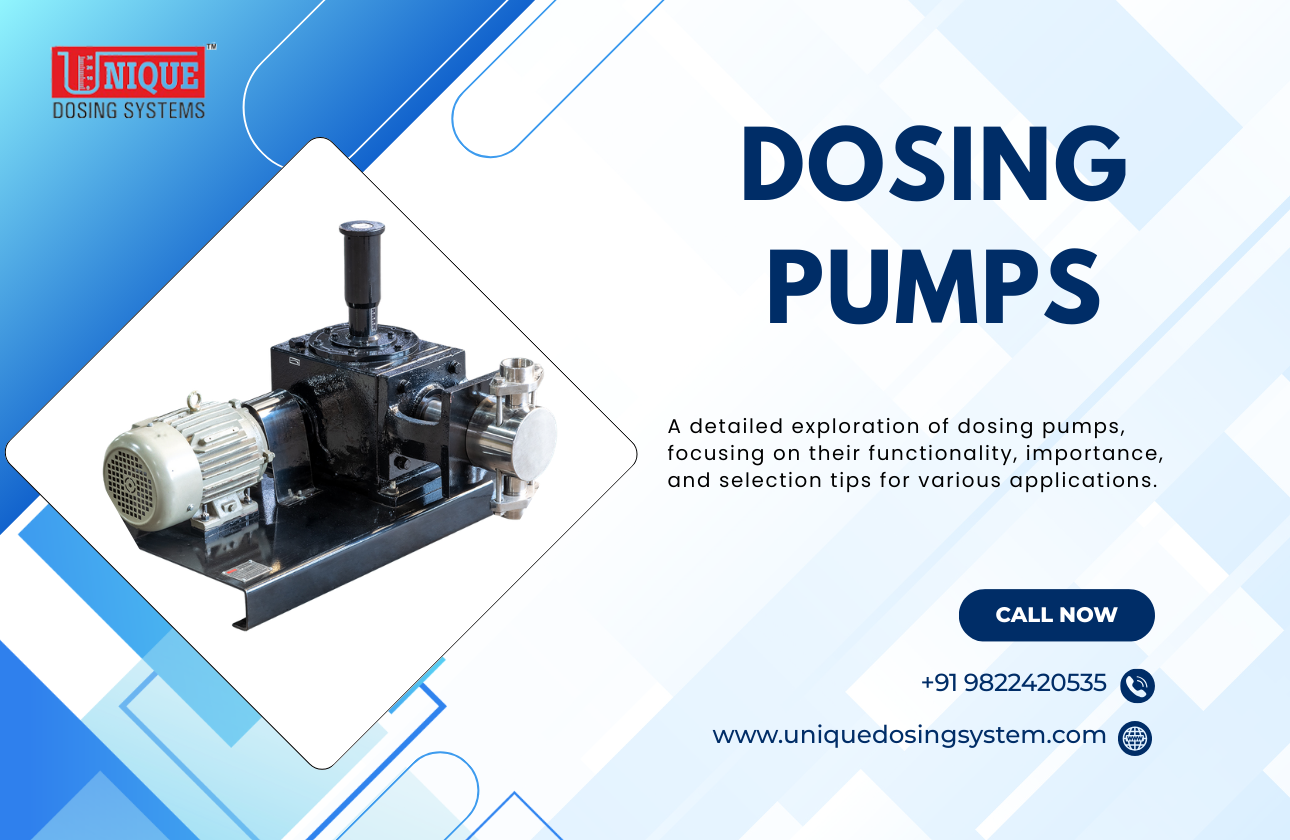
What Are Dosing Pumps?
Dosing pumps are precise and helpful tools used in various industries to add accurate quantities of a liquid into another process or medium. They are typically used in water treatment plants, chemical debits, or even in food manufacturing to ensure the right amount of ingredients are mixed. These pumps are essential because they offer control and efficiency, making sure that the processes they oversee are functioning smoothly. Unlike regular pumps, dosing pumps focus on precision and accuracy, which are critical in maintaining the quality and effectiveness of the final product.
How Dosing Pumps Work
Dosing pumps function using a simple yet effective mechanism. The basic concept is to control the flow through a pumping chamber to achieve a precise delivery of liquid. This typically involves using a diaphragm, piston, or peristaltic action. The pumps draw a specific amount of fluid into a chamber, which is then released under pressure into the receiver or mixing area. This process is repeatable and can be adjusted based on the needs of the operation. By controlling the frequency and volume of the doses, the pumps maintain the consistency and accuracy that industries rely on.
Applications of Dosing Pumps
Dosing pumps find applications in several fields. In water treatment facilities, for example, these pumps help add disinfectants like chlorine into water to make it safe for consumption. In the agriculture sector, dosing pumps play a crucial role in the distribution of fertilizers and pesticides. Industries using chemicals also incorporate dosing pumps to inject precise amounts of additives into their processes, preventing wastage and maintaining the quality of their products. This widespread use speaks to the versatility and efficiency of dosing pumps across different industries.
Choosing the Right Dosing Pump
Selecting the appropriate dosing pump requires understanding your specific needs and application. Some factors to consider include the type of fluid being handled, the viscosity of the liquid, the pressure requirements, and the flow rate you need. Compatibility with other system components is also essential. Investing in a dosing pump that aligns with your operational demands can prevent unnecessary wear and tear, reduce maintenance costs, and increase the overall efficiency of your processes. For more detailed guidance on this topic, you can explore our article on choosing the best dosing pumps.
Benefits of Using Dosing Pumps
The adoption of dosing pumps offers numerous benefits. They enhance accuracy, allowing precise control over the dosing process, which reduces waste and improves resource efficiency. This precision helps maintain consistent product quality, ensuring high standards. Additionally, dosing pumps reduce manual handling risks by automating fluid handling processes. They minimize environmental impact by ensuring only the necessary amount of chemicals or supplements are used, preventing overuse. Overall, dosing pumps are vital tools for industries keen on performance and sustainability.
Maintenance of Dosing Pumps
Regular maintenance of dosing pumps is crucial to ensure their lasting performance and efficiency. Scheduled inspections can help detect potential issues before they escalate into major problems. Cleaning the pump components and replacing worn-out parts contributes to their smooth operation. Moreover, proper calibration is essential to maintain dosing accuracy. A well-maintained dosing pump not only extends its lifespan but also safeguards the processes it manages. To help with longer-term reliability, learning proper maintenance techniques is necessary for anyone working with these useful tools.
Frequently Asked Questions
1. What industries use dosing pumps?
Answer: Dosing pumps are prevalent in many industries, including water treatment, agriculture, chemical manufacturing, and food production. They play a critical role in any industry that requires precise fluid management and control.
2. How do I determine the correct dosing pump for my needs?
Answer: Consider factors like fluid type, needed flow rate, viscosity, and pressure requirements. Ensuring the pump is compatible with your system components is also vital. For detailed guidance, visit our blog on choosing the right dosing pump.
3. Are dosing pumps safe to use with chemicals?
Answer: Yes, dosing pumps can safely handle chemicals if they are designed and installed correctly. Proper materials and seals ensure compatibility with chemical substances, allowing safe and efficient operations.
4. What maintenance do dosing pumps require?
Answer: Dosing pumps require regular cleaning, inspection, and calibration. Replacing worn parts in a timely manner helps maintain their efficiency and extends their lifespan.
5. Can dosing pumps help in reducing waste?
Answer: Absolutely, by delivering precise quantities, dosing pumps minimize wastage, which is beneficial both environmentally and economically by optimizing resource use.