
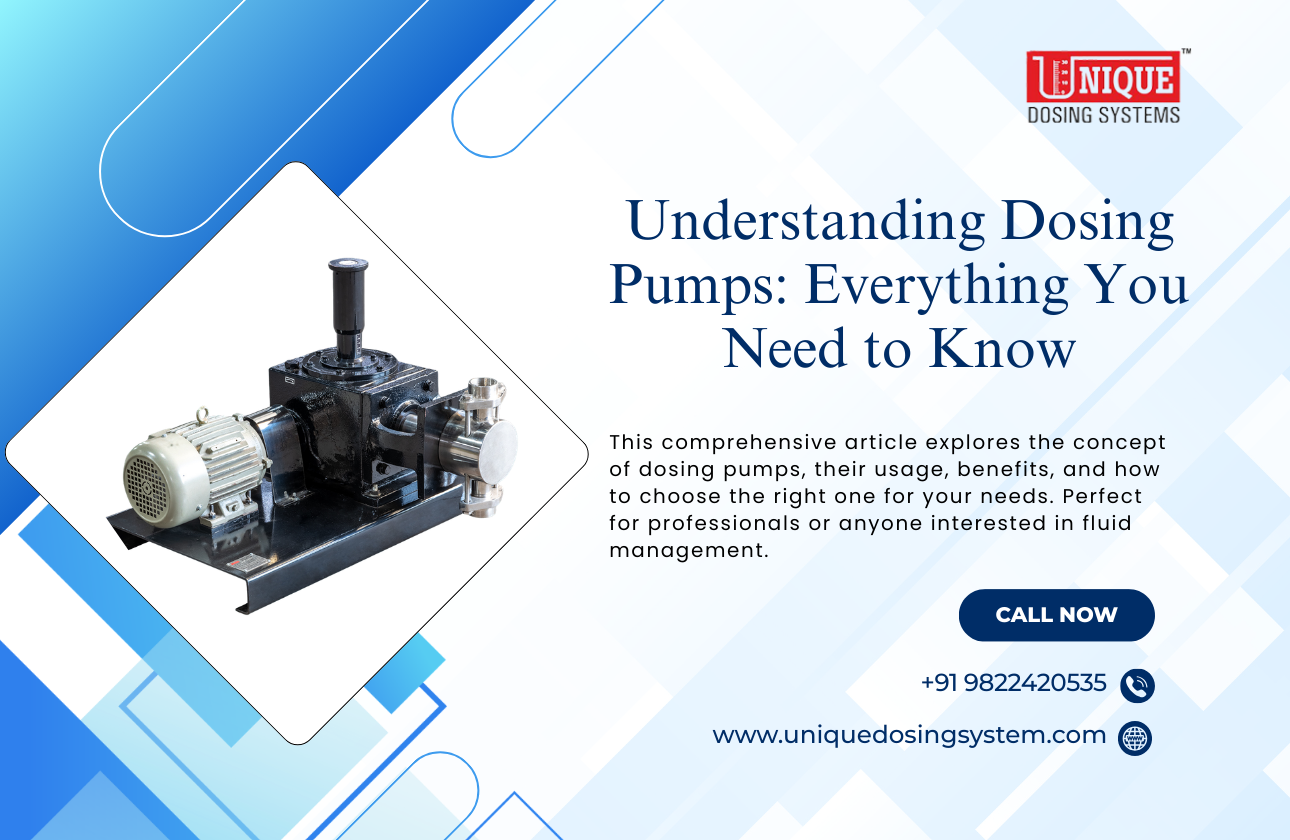
What Are Dosing Pumps?
Dosing pumps are specialized devices used to inject precise amounts of liquid into a mixture. They are crucial in many industries, including water treatment, food processing, and pharmaceuticals. Unlike regular pumps, dosing pumps are designed for meticulous accuracy, meaning they can handle small volumes with exact measurements. This makes them essential for tasks that require precise chemical dosing and mixture control. If you work in any industry where precision fluid handling is necessary, understanding the function and importance of dosing pumps is vital.
How Dosing Pumps Work
Dosing pumps typically operate using a diaphragm mechanism, which is driven by a solenoid, motor, or air actuator. The diaphragm helps in moving the fluid from the inlet side to the outlet, guaranteeing precise flow. Another type involves piston pumps that use pistons for operation. You should always ensure the proper alignment and calibration of dosage settings to get the most accurate results. Learning the basics of pump mechanics can significantly aid your understanding of managing these devices.
Benefits of Using Dosing Pumps
The primary advantage of dosing pumps is their accuracy in fluid delivery, which is vital in chemical processes where the correct amount of substance has drastic effects on outcomes. Dosing pumps help in reducing waste and improving efficiency, and their automated nature minimizes human error. This makes them incredibly cost-effective over time. Many industries rely on dosing pumps to streamline operations, focusing on precision and quality control while reducing the need for manual interventions.
Choosing the Right Dosing Pump
Picking the right dosing pump involves understanding your specific needs. Factors like the type of fluid, required flow rate, and the system’s compatibility with the pump are crucial. Assess if your needs align with a solenoid-driven pump or a motor-driven pump. It's also wise to consult reviews and manufacturer guidelines for compatibility. Visit reliable resources such as the Ultimate Guide to Dosing and Metering Pumps for more insight into making informed decisions.
Maintenance and Care for Dosing Pumps
Regular maintenance is key to the longevity of dosing pumps. Check for wear and tear in seals and valves, and clean filters regularly to avoid blockages. Understanding the importance of maintenance can save significant repair costs and ensure smooth operations in your systems. Always refer to the manual provided by manufacturers for specific maintenance instructions, and if possible, consult a professional for regular service.
Challenges in Using Dosing Pumps
Despite their usefulness, dosing pumps can pose challenges. Issues like inconsistent flows and mechanical failures are common if not properly maintained. Environmental factors such as temperature and humidity can affect their operations. However, being proactive in troubleshooting and understanding basic fault-finding techniques can prevent operational downtime. Research more about addressing these challenges through resources like the Role of Dosing Systems in Precision Fluid Management to be prepared.
Industry Applications for Dosing Pumps
Dosing pumps are pivotal across several fields. In water treatment, they ensure chemicals are correctly dosed to treat and purify water. In food processing, they help in maintaining accurate ingredient ratios, contributing to quality and safety standards. The pharmaceutical industry relies on them for precise chemical formulations. Each industry uses dosing pumps tailored to its unique needs, reinforcing their versatility and adaptability in modern applications.
Frequently Asked Questions
1. How do I choose the right dosing pump for my industry?
Answer: To choose the right dosing pump, consider the fluid type, desired flow rate, and system compatibility. Evaluate whether a solenoid or motor-driven pump suits your needs and review guidelines from reliable sources like our guide on choosing dosing pumps.
2. What are common problems with dosing pumps?
Answer: Issues such as inconsistent flow rates and mechanical failures can occur, often due to inadequate maintenance. Regular checks and preventive measures can mitigate these problems.
3. Why are dosing pumps preferred over other pumps?
Answer: Dosing pumps offer precision in delivering fluids, making them ideal for industries that require exact chemical compositions. Their ability to automate dosing processes is also a significant advantage.
4. How often should dosing pumps be maintained?
Answer: Regular maintenance is advised, typically every six months. However, high-usage environments may necessitate more frequent checks. Refer to manufacturer guidance for specific advice.
5. Can dosing pumps handle all types of fluids?
Answer: While dosing pumps are versatile, not all pumps are suitable for every fluid type. Consider the pump’s material compatibility with the fluid to prevent damage and ensure effective operation.