
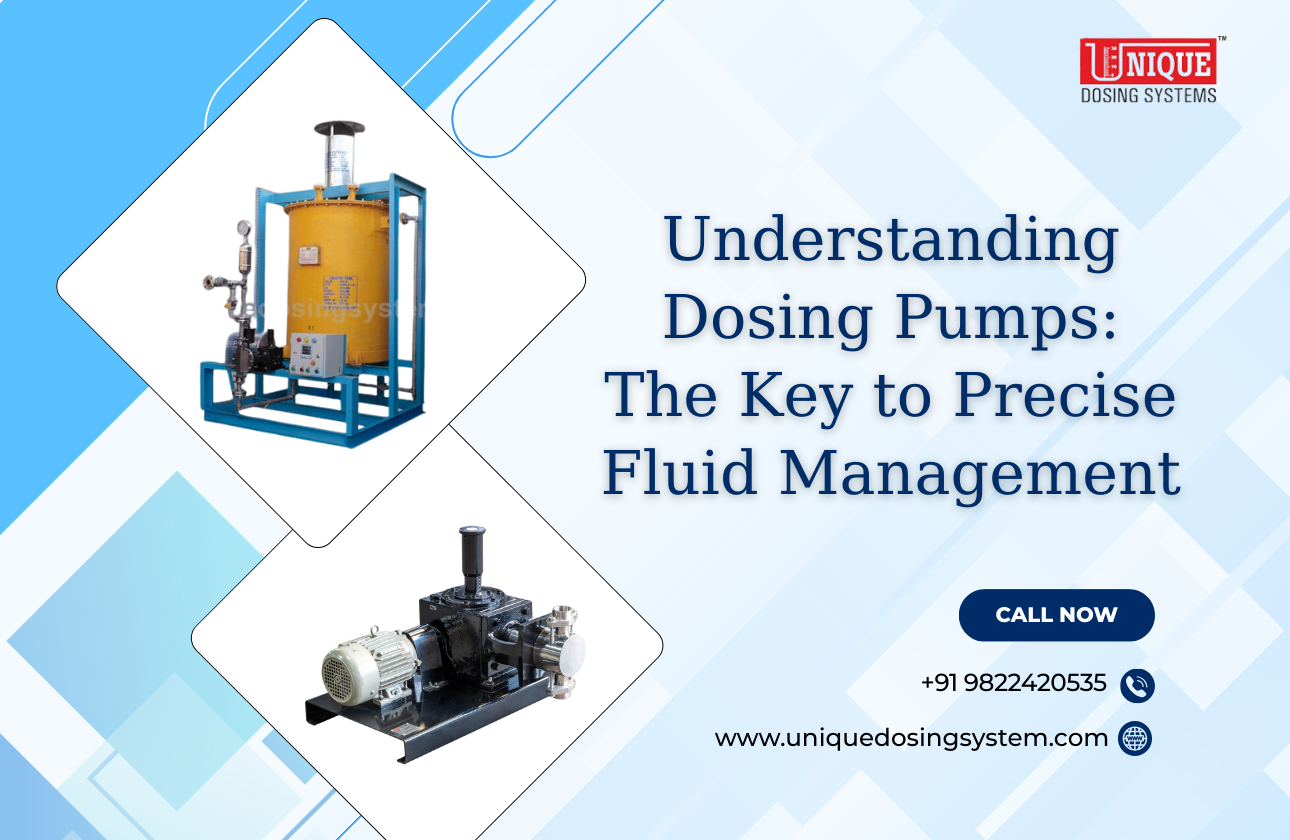
Understanding Dosing Pumps: The Key to Precise Fluid Management
In industries where exact chemical dosing is crucial, dosing pumps have become indispensable. Referred to as metering pump, these devices ensure the accurate and controlled delivery of liquids, essential for maintaining quality and efficiency in various industrial processes.
What are Dosing Pumps?
Dosing pumps, commonly known as metering pumps, are specialized devices engineered to deliver precise volumes of liquids into a designated system over a specified period. They are extensively used across industries such as water treatment, food and beverage production, pharmaceuticals, and chemical processing. These pumps are designed to handle a wide range of liquids, including acids, bases, and viscous fluids.
How Do Dosing Pumps Work?
The primary function of a dosing pump is to move a specific volume of liquid from a reservoir into a target area. This is achieved through a combination of a pumping chamber and a moving diaphragm or piston, depending on the type of pump. The pump's stroke rate and length determine the amount of fluid delivered, allowing for precise control over the dosing process.
Most dosing pumps are positive displacement pumps, where the volume of fluid dosed is determined by the pump's displacement per stroke and the actuation speed. These features make dosing pumps highly effective for applications requiring strict adherence to dosing protocols.
The Importance of Metering Pumps
Metering pump provide numerous benefits, ensuring industrial processes run smoothly and reliably. Accurate dosing prevents overuse of chemicals, resulting in cost savings and reduced environmental impact. These pumps also enhance safety by minimizing human interaction with potentially hazardous substances.
Types of Dosing Pumps
Various types of dosing pumps are available to suit different applications, including:
- Diaphragm Pumps: Utilized for their ability to handle abrasive chemicals without leakage, making them ideal for chemical plants.
- Piston Pumps: Known for their precise metering capabilities but less suited for handling harsh chemicals.
- Peristaltic Pumps: Best for handling viscous liquids or those containing solids, used widely in food processing and pharmaceuticals.
Choosing the Right Dosing Pump
Selecting the correct dosing pump involves assessing the specific needs of your application. Factors such as chemical compatibility, required flow rate, and the pressure in the system must be considered. It is also vital to evaluate the pump's build quality and manufacturer's support services to ensure long-term reliability.
Conclusion
Dosing pump are crucial for sectors that demand meticulous fluid management. By guaranteeing precise chemical delivery, these metering pumps not only enhance operational efficiency but also contribute to sustainable and safe industrial practices. Understanding the workings and applications of dosing pumps can help industries optimize their processes for better outcomes.