
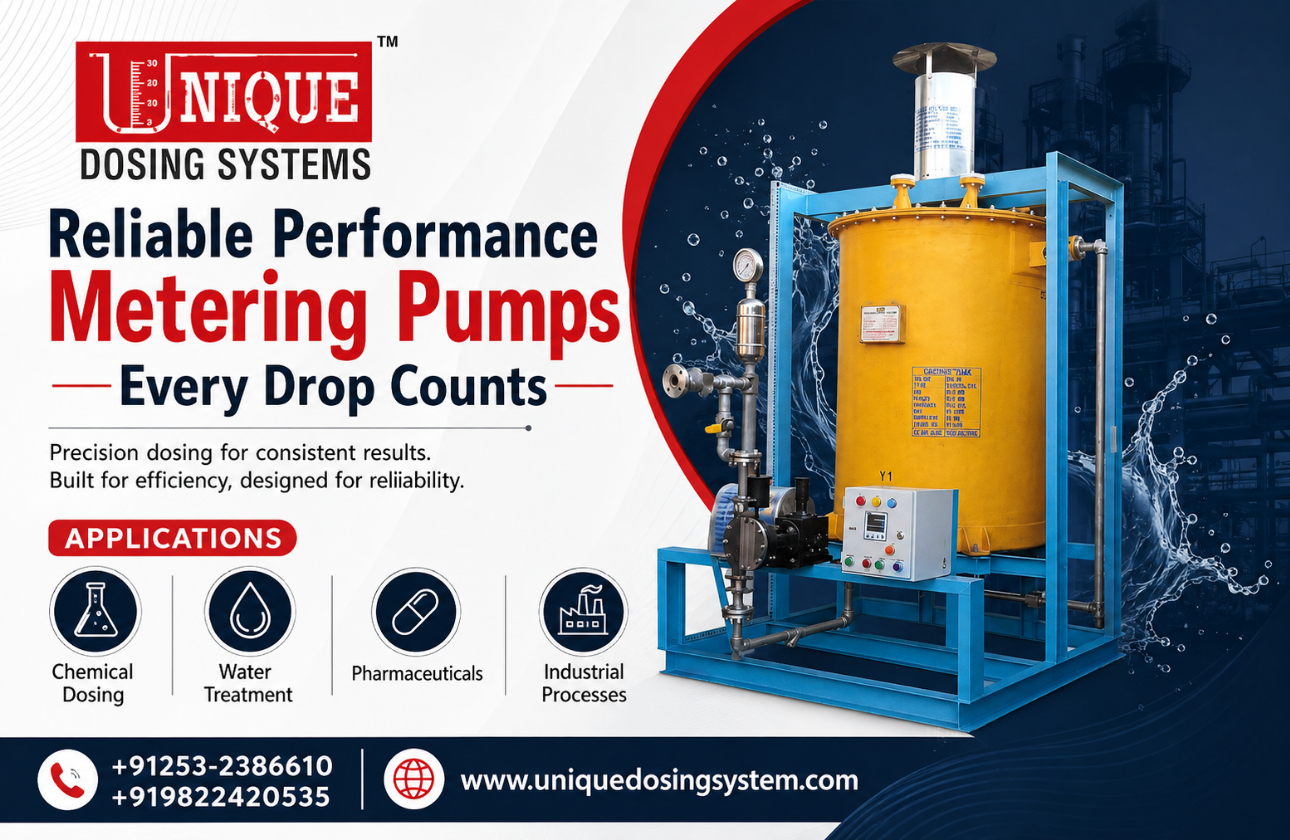
Introduction to Dosing Pumps
Dosing pumps are integral components in various industries ranging from water treatment to chemical manufacturing. They play a crucial role in delivering exact amounts of liquid into a system or process, ensuring precision and efficiency. A dosing pump operates by drawing liquid into a chamber and then expelling it with control, making them essential for maintaining accurate dosing in applications where precision is critical. For businesses, investing in a reliable dosing pump can mean heightened quality and reduced wastage.
Components and How They Work
When exploring the mechanics of dosing pumps, it's helpful to understand their key components. These typically include a pump chamber, a diaphragm or piston, and a control unit. The pump chamber houses the liquid, while the diaphragm or piston moves back and forth to draw liquid in and then discharge it. The control unit oversees the dose size, which ensures that only the required amount is dispensed. Understanding these basics can help you grasp how dosing pumps function to optimize processes in everyday applications.
Different Types of Dosing Pumps
There are several types of dosing pumps, each suited to different needs. The most common types include diaphragm pumps, peristaltic pumps, and piston pumps. Diaphragm pumps are known for their reliability and precision. Peristaltic pumps are favored for handling more aggressive chemicals due to their no-contamination design. Meanwhile, piston pumps offer extreme precision, making them suitable for high-pressure applications. Each type possesses its own set of advantages, making them suitable for various tasks in different sectors.
Applications of Dosing Pumps
Dosing pumps serve numerous applications across multiple industries. In the chemical industry, they are essential for feeding precise amounts into a process, enhancing safety and efficiency. The food industry relies on these pumps for the exact dosing of flavors and additives. Moreover, water treatment facilities use them for disinfectant dosing, crucial for safe water supply. By facilitating accurate dosing, these pumps help maintain product quality and regulatory compliance far and wide.
Benefits of Using Dosing Pumps
There are several benefits to using dosing pumps. The primary advantage is precision dosing capability, closely followed by their capacity for automation. This automation minimizes human error, ensuring consistent product quality and cost savings. Additionally, they are designed to handle a range of viscosities and liquids, even aggressive or flammable ones. By choosing an appropriate dosing pump, companies can not only enhance their efficiency but also uphold safety standards.
Factors to Consider When Choosing a Dosing Pump
When selecting a dosing pump, several factors are vital to consider. These include the fluid's chemical composition, temperature, and viscosity. It's important to match these characteristics to the pump's capabilities to avoid potential damage or inefficiency. Furthermore, understanding the dosing accuracy required for your application plays a significant role in choosing the ideal pump. Always check for compatibility with your operational demands to find the best dosing pump solution for your needs.
Best Dosing Pump Selection Tips
To find the best dosing pump, research is your best ally. Consider the durability of the pump, its maintenance requirements, and customer service support post-purchase. Reading reviews and consulting with industry experts can provide valuable insights into pump performance and reliability. The best dosing pump will align with your needs while offering longevity and ease of use.
Maintaining Your Dosing Pump
Regular maintenance is crucial for the optimal performance of your dosing pump. Routine checks can prevent wear and tear and ensure the pump operates efficiently. Cleaning, inspecting for leaks, and replacing worn parts are part and parcel of a good maintenance routine. Moreover, manufacturers often provide specific guidelines in their manuals to aid in these practices, keeping the pump in tip-top shape for years.
Advancements in Dosing Pump Technology
Recently, there have been significant advancements in dosing pump technology. Smart systems now integrate sensors and IoT capabilities, enabling real-time monitoring and remote management. These innovations increase efficiency and reduce the risk of human error significantly. Furthermore, pumps are now more energy-efficient, contributing to sustainability goals in industrial settings. Always stay updated on these technological advancements to ensure that your operations remain competitive and eco-friendly.
Frequently Asked Questions
1. What industries use dosing pumps?
Answer: Dosing pumps are used in various industries, including water treatment, chemical production, food and beverage processing, and pharmaceuticals. Their ability to deliver precise dosing makes them indispensable in these sectors.
2. How do I know if a dosing pump is suitable for my application?
Answer: Consider factors like your fluid's chemical properties, required dosing precision, and the pump's compatibility with your process needs. Consulting with a knowledgeable supplier can also provide guidance specific to your application.
3. Are dosing pumps energy efficient?
Answer: Recent models of dosing pumps have improved energy efficiency by incorporating modern technology and design improvements, making them both effective and eco-friendly.
4. How often should maintenance be performed on a dosing pump?
Answer: Regular maintenance should be conducted as indicated by the manufacturer's guidelines, which may vary depending on usage intensity and industry. Consistently scheduled inspections will help in the early detection of wear and tear.
5. Where can I find more information on dosing pumps?
Answer: For further information, industry-specific resources and blogs on dosing systems provide extensive details and insights that can enhance your understanding of these critical components.