
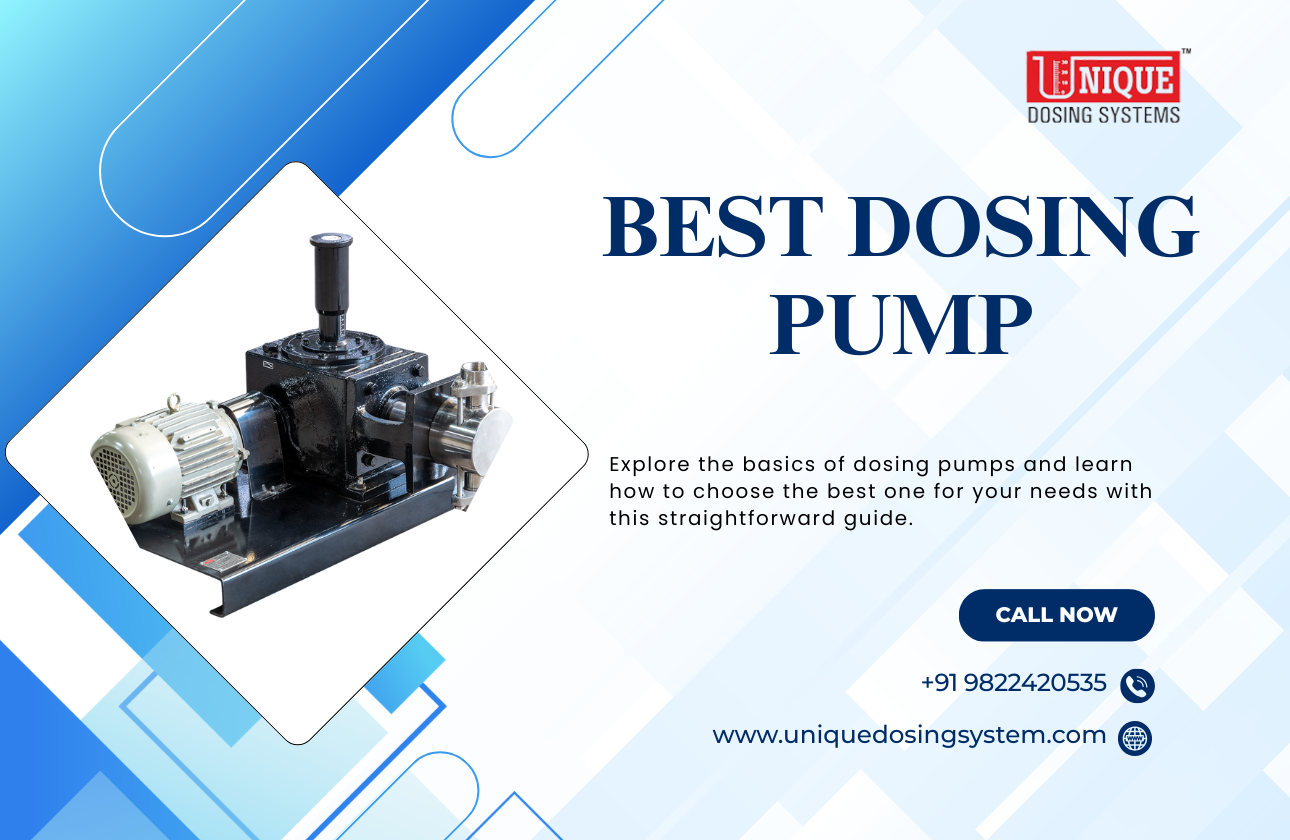
What is a Dosing Pump?
A dosing pump is a small positive displacement pump. It's designed to move a precise amount of liquid over a specified time period. These pumps are used in various industries, from water treatment to food processing, to ensure that the right amount of chemical or liquid is delivered. The main advantage of dosing pumps is their ability to deliver very specific amounts of liquid, making processes much more controlled and efficient.
Why are Dosing Pumps Important?
Dosing pumps are crucial in scenarios where accuracy is critical. For instance, in water treatment facilities, the wrong amount of a chemical can lead to ineffective cleaning or, worse, damage to water systems. Similarly, in the food industry, precise dosing ensures consistent flavors and product quality. Their reliability and accuracy make dosing pumps an indispensable tool in many operational setups.
Applications of Dosing Pumps
Dosing pumps find applications across different sectors. In agriculture, they help in delivering fertilizers and nutrients directly to the crops. In medicine, they ensure precise drug delivery in processes like chemotherapy. For industrial applications, they are employed in pumping chemicals for processes like fluid control. These pumps are chosen for their precision and continuous operation capabilities.
Choosing the Right Dosing Pump
When selecting a best dosing pump, you must consider several factors. Firstly, understand the chemical compatibility – ensure the pump materials are resistant to the solvent being used. Secondly, consider the flow rate required for your application. Pumps are available in various capacities, so choose one that suits your need. Lastly, always verify the pump's power source compatibility with your setup.
Features of the Best Dosing Pumps
The best dosing pumps are known for their durability and precision. They incorporate advanced technologies that allow users to set exact dosing amounts. Moreover, they have a user-friendly interface, making them easy to operate even for first-time users. They're made from high-quality materials to withstand the different chemicals they work with and are known for their efficiency in reducing waste.
Dosing Pump Maintenance Tips
Maintaining a dosing pump involves regular checks and cleaning. Ensure that the pump is calibrated regularly to keep accuracy intact. Inspect components like hoses and valves for wear and tear. Cleaning the pump routinely prevents clogging and extends its operational life. By keeping your pump in good condition, its efficiency and longevity can be maximized.
Challenges in Using Dosing Pumps
While dosing pumps are incredibly useful, there are challenges involved as well. Incorrect setup or calibration can lead to dosing inaccuracies. Over time, wear and tear may cause leaks, affecting performance. It's essential to choose pumps that are easy to maintain and offer support for troubleshooting issues. Regular servicing by professionals can help mitigate these challenges.
Frequently Asked Questions
1. What industries use dosing pumps?
Answer: Dosing pumps are widely used in water treatment, chemical manufacturing, agriculture, pharmaceuticals, and food processing industries. They are valued for their precision and controlled delivery capabilities.
2. How do I determine which dosing pump is best for my needs?
Answer: Consider the chemical compatibility, required flow rate, application type, and the pump's material suitability. Evaluating these factors helps in choosing a pump that matches your operational needs.
3. What maintenance is required for dosing pumps?
Answer: Regular maintenance of a best dosing pump includes checking calibration, inspecting for leaks, and cleaning to prevent clogging. Ensure components like hoses and nozzles are in good condition to maintain accuracy.
4. Can dosing pumps handle all chemicals?
Answer: Not all dosing pumps can handle every type of chemical. It's vital to match the pump material with the chemical properties to avoid damage and ensure safe operation.
5. What is the difference between a dosing pump and a metering pump?
Answer: While often used interchangeably, a dosing pump is designed specifically to deliver a specific amount of substance, while a metering pump's primary function is applying consistent flow with accuracy. Both ensure precision but are tailored differently based on the application.