
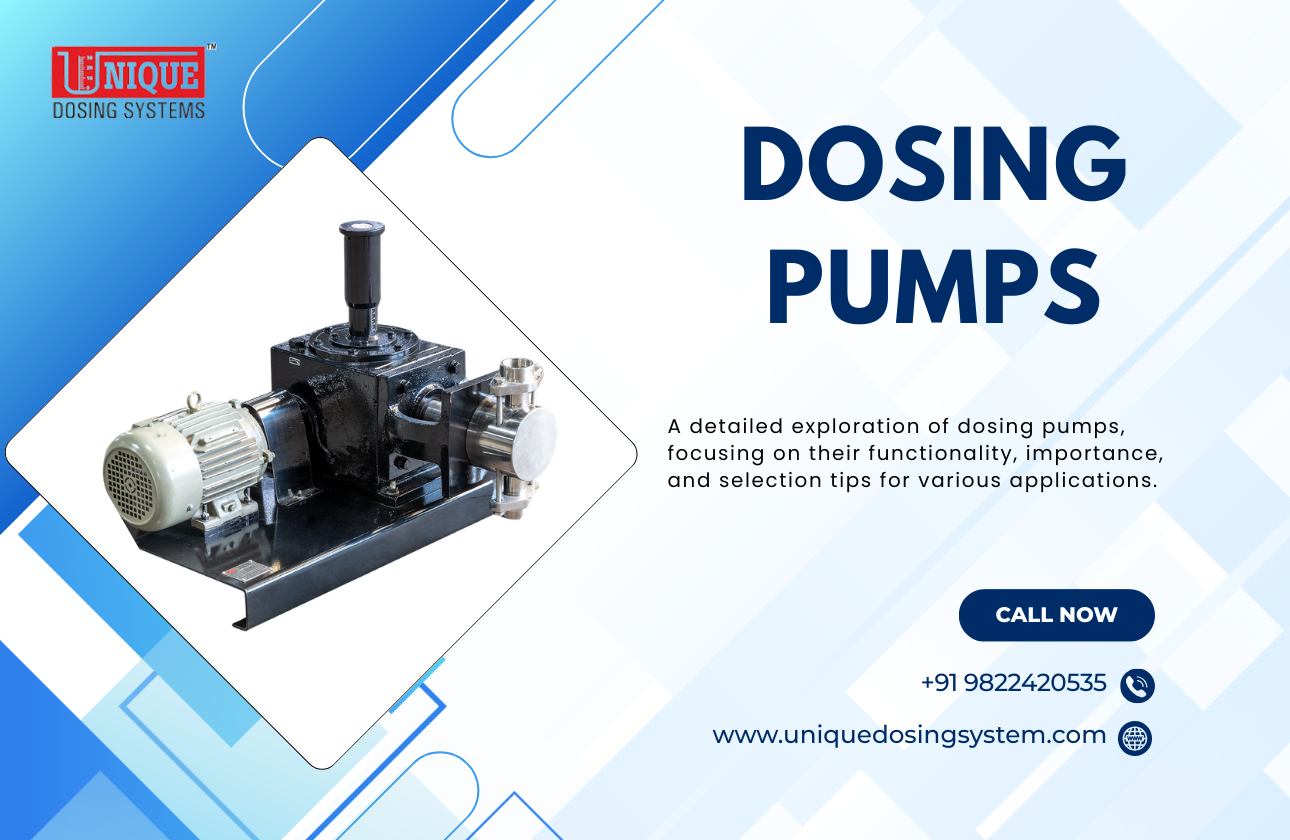
Introduction to Dosing Pumps
Dosing pumps are specialized devices designed for precise fluid control in various industries. They deliver exact amounts of liquid or chemicals into a system at a consistent flow rate. This makes them essential in applications where accuracy is crucial, such as in chemical processing or water treatment. By using a dosing pump, you ensure the target area receives the right quantity of substance, minimizing waste and maximizing efficiency.
How Dosing Pumps Work
The working principle of dosing pumps revolves around their ability to move fluids in controlled amounts. They are typically operated using electric motors combined with various control mechanisms to adjust the flow rate. This allows users to set precise measurements according to their specific needs. Understanding the internal components of these pumps can help optimize their performance and extend their lifespan in your systems.
Applications in Different Industries
Dosing pumps find applications across a wide range of industries including food and beverage, pharmaceuticals, and water treatment. Each industry has unique requirements where dosing pumps contribute to maintaining safety and quality. For instance, in water treatment, they help in adding chlorine or other disinfectants to ensure water quality. Their ability to handle corrosive and hazardous chemicals makes them an indispensable tool in industrial operations.
Types of Dosing Pumps
There are several types of dosing pumps, each suited for different applications. Common types include peristaltic, diaphragm, and piston pumps. Peristaltic pumps are ideal for handling slurries and viscous liquids without contamination. Diaphragm pumps, on the other hand, are known for their ability to deliver high pressure, making them suitable for chemical injection applications. Understanding the differences between these types can help in choosing the right pump for your specific needs.
Key Features to Consider
When selecting a dosing pump, several key features should be taken into account. These include the flow rate accuracy, chemical compatibility, pressure range, and ease of maintenance. Technology advancements have led to the integration of smart features in modern dosing pumps, allowing for remote monitoring and automatic adjustment. Such features enhance precision and convenience in operations where there are frequent changes in demand.
Benefits of Using Dosing Pumps
The primary advantage of dosing pumps lies in their precision. By providing controlled and consistent flow, they help in reducing waste and ensuring accurate chemical dosing. This results in cost savings and improved process efficiency. Additionally, automated control ensures minimal human intervention, reducing the risk of errors and enhancing safety in handling chemicals.
Maintenance and Troubleshooting
Regular maintenance of dosing pumps is crucial for their longevity and performance. This involves periodic checks and cleaning of pump components to prevent buildup of deposits that can affect flow rate. In the event of operational issues, understanding common troubleshooting methods helps in addressing potential problems swiftly, ensuring minimal downtime and maintaining operational efficiency.
Frequently Asked Questions
1. What industries use dosing pumps?
Answer: Dosing pumps are used in various industries such as water treatment, food and beverage, and pharmaceuticals for precise chemical dispensing.
2. How do dosing pumps enhance process accuracy?
Answer: By providing controlled, consistent flow rates, dosing pumps ensure that exact quantities are delivered, minimizing waste and improving process accuracy.
3. What are common types of dosing pumps?
Answer: Common types include peristaltic, diaphragm, and piston pumps, each designed for specific applications and fluid types.
4. What are essential features to consider when choosing a dosing pump?
Answer: Key features include flow rate accuracy, chemical compatibility, pressure range, and ease of maintenance.
5. How often should dosing pumps be maintained?
Answer: Regular maintenance checks should be performed to ensure optimal performance and longevity. Frequency may vary based on usage conditions.