
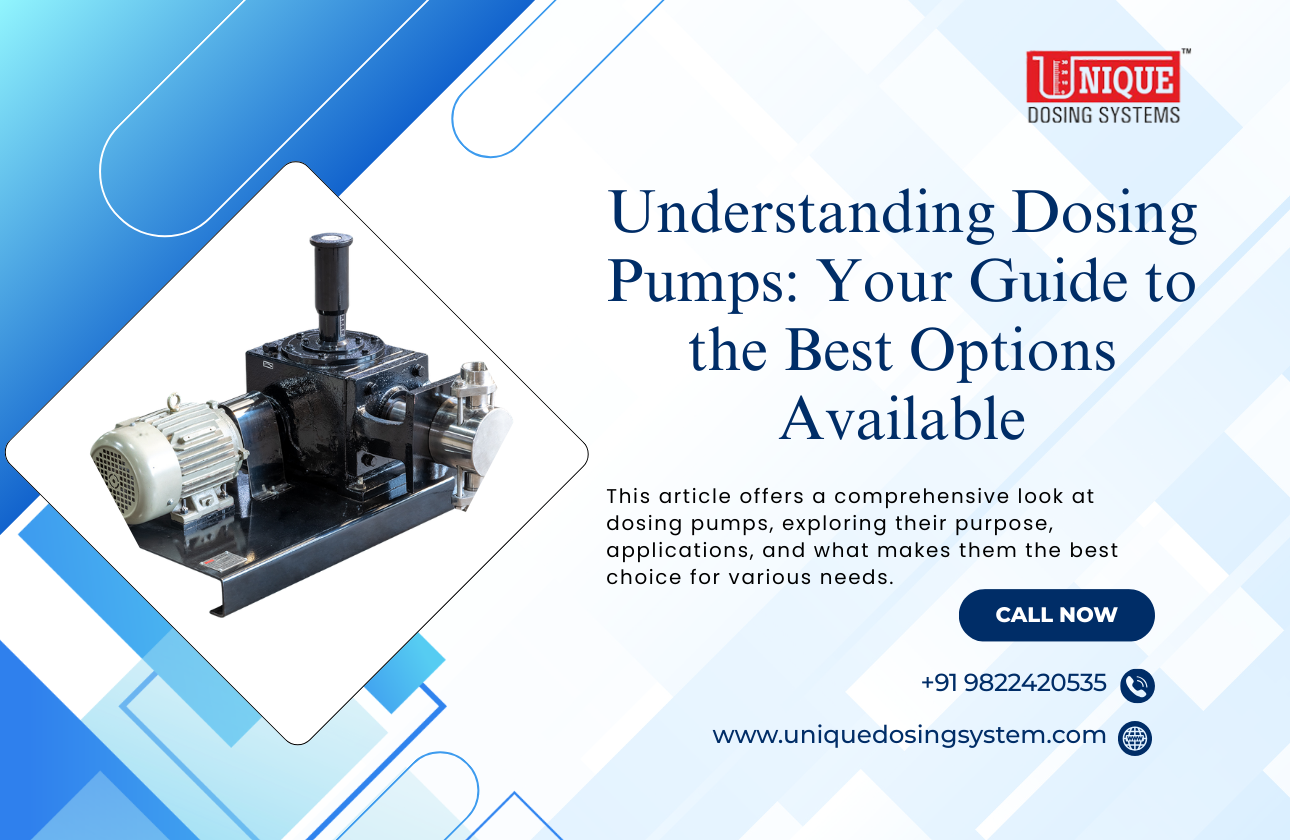
What is a Dosing Pump?
A dosing pump is a small but powerful pump used to inject a precise amount of fluids into a system or process flow. This type of pump is commonly found in industries like pharmaceuticals, food production, and water treatment. Dosing pumps are designed to move a specific flow of liquid with incredible accuracy, making them essential for processes where precision is key. They can handle a variety of liquids such as chemicals, acids, or even viscous fluids. Understanding how a dosing pump works and its core components can help you better integrate it into your applications.
Applications of Dosing Pumps
Dosing pumps find their applications across many industries. In the water treatment sector, they are used to add chlorine or other disinfectants to ensure safe drinking water. In the food industry, they add precise amounts of flavorings or preservatives to products. Even in pharmaceuticals, dosing pumps play a critical role in mixing and transferring sensitive fluids. Their ability to deliver exact quantities makes them invaluable for maintaining the quality and efficacy of products, ensuring compliance with industry standards.
Advantages of Using Dosing Pumps
The primary advantage of dosing pumps lies in their precision. They deliver exact dosages, minimizing waste and improving efficiency. This precision helps maintain consistency, which is vital for quality control. Other benefits include their compact size, ease of automation, and ability to handle a wide range of chemicals. These features not only simplify operations but also reduce operational costs. Furthermore, many dosing pumps come with integrated safety features that prevent leaks or overflows, ensuring the safety of the workplace and environment.
Key Features to Look for in a Dosing Pump
When selecting a best dosing pump, there are a few important features to consider. First, look at the pump’s flow rate range; it should match your specific application needs. Next, consider the chemical compatibility of the pump materials with the fluids you plan to pump; this prevents corrosion and prolongs the pump’s life. Additionally, ease of installation and maintenance is a critical aspect. Modern dosing pumps often come with features like digital control panels and automatic shutdown in case of an issue, enhancing user convenience and safety.
The Best Dosing Pump for Your Needs
Choosing the best dosing pump depends on several factors, like the nature of the fluid being handled and the specific requirements of your process. It’s crucial to evaluate these needs to ensure compatibility and efficiency. Also, consider pumps that offer flexibility in terms of adjustability of flow rates to accommodate different requirements over time. Get insights from resources like this comprehensive guide to assist in selecting the right dosing pump for your operations. It's often a good idea to consult with manufacturers or experts who can provide recommendations based on your exact needs.
Frequently Asked Questions
1. What industries benefit most from dosing pumps?
Answer: Dosing pumps are especially beneficial in industries requiring precise measurements and dosing, such as water treatment, food and beverages, pharmaceuticals, and chemical manufacturing.
2. How do I maintain a dosing pump?
Answer: Regular maintenance of a dosing pump includes routine checks for wear and tear, cleaning components to avoid blockages, and ensuring all seals and joints are intact to prevent leaks.
3. Can dosing pumps handle viscous fluids?
Answer: Yes, many best dosing pumps are designed to handle viscous fluids. However, it's essential to ensure that the pump is suitable for the specific viscosity of your fluid to ensure efficient operation.
4. What safety features are typical in modern dosing pumps?
Answer: Modern dosing pumps may include safety features like leak detection, automatic shutdown, and alarm systems to alert operators of potential issues or deviations from normal operation.
5. Are there cost-effective options for dosing pumps?
Answer: Yes, there are various dosing pumps available at different price points. It's essential to evaluate the cost in terms of the pump's durability, efficiency, and maintenance requirements to ensure a cost-effective choice in the long run.