
Introduction to Dosing Systems
Dosing systems are crucial in industries where precise fluid management is needed. These systems ensure that the right amount of a substance is added to a mixture at the right time. Whether it's a food plant, a chemical factory, or a water treatment facility, dosing systems help maintain efficiency and consistency. By ensuring accuracy, they prevent wastage and keep costs low. Moreover, they enhance safety by minimizing human errors when dealing with potentially dangerous chemicals.
Key Components of a Dosing System
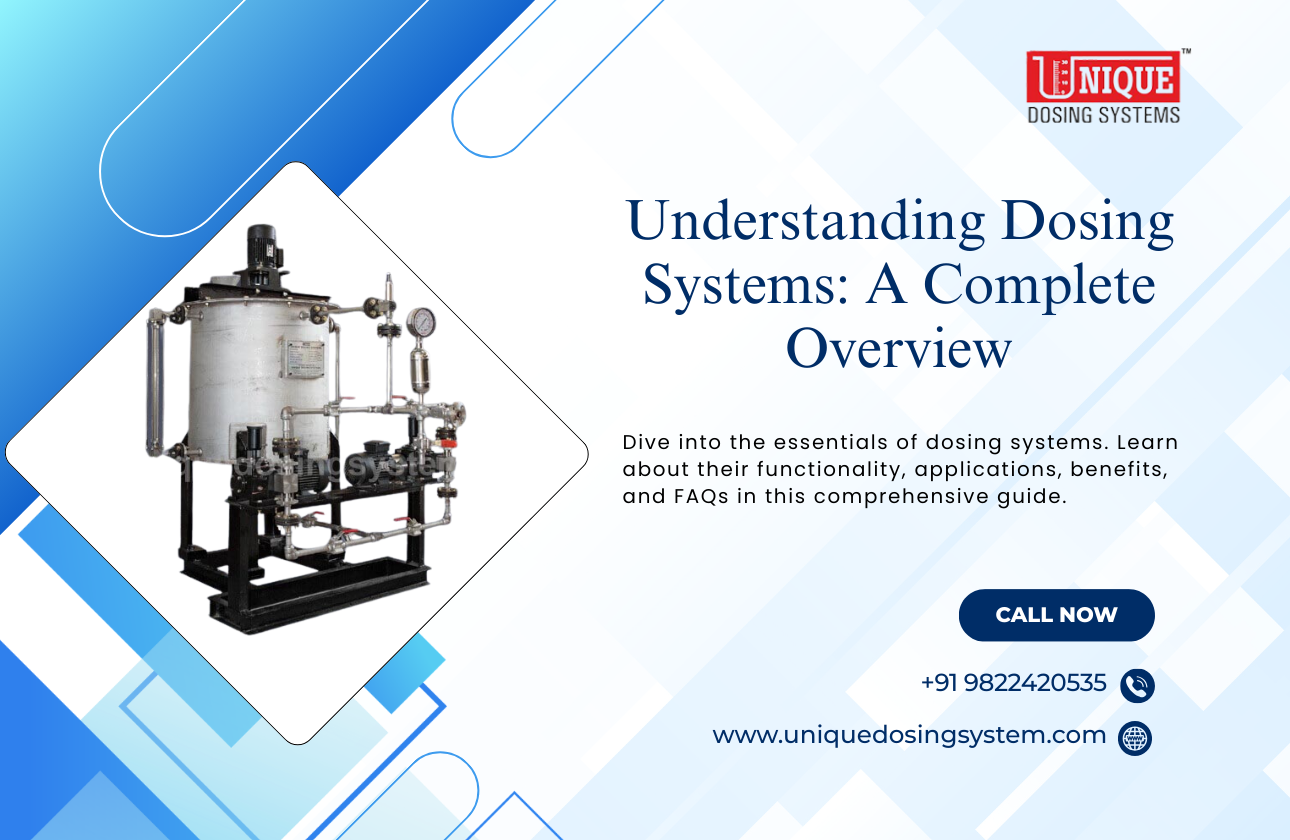
A typical dosing system includes several key components like storage tanks, pumps, valves, and control units. The storage tank holds the chemical or fluid to be dosed. The pump is the workhorse of the system, ensuring that the right amount of fluid is dispensed. Valves control the fluid flow, while control units, which may include a range of sensors, ensure that the system operates within specified parameters. Together, these components work seamlessly for optimal performance.
Types of Dosing Systems
There are several types of dosing systems available, each designed for specific tasks. Common ones include manual, semi-automatic, and automatic systems. Manual dosing systems require human intervention, whereas automatic systems run on pre-set programs. For high precision tasks, automatic systems are preferred, especially in industries like pharmaceuticals and water treatment. On the other hand, a mix of human oversight and automation fits sectors with less stringent accuracy needs.
Applications of Dosing Systems
Dosing systems are applied across many industries, offering flexibility and precision. In agriculture, they are used for fertilizing crops, ensuring they get exactly what they need for optimal growth. In water treatment plants, these systems help to manage the balance of chemicals necessary to purify water. Food and beverage manufacturers use dosing systems to add ingredients like flavorings and preservatives accurately. Wherever precision is required in mixing, dosing systems find their place.
Benefits of Using Dosing Systems
The key benefit of dosing systems is their ability to enhance precision and consistency in fluid handling. They minimize human error, leading to safer and more reliable operations. Cost efficiency is another significant advantage, as precise dosing reduces wastage of materials. Additionally, dosing systems improve product quality, enabling manufacturers to meet industry standards consistently. Overall, they offer peace of mind by ensuring that processes remain safe, efficient, and effective.
Integration and Automation in Dosing Systems
Modern dosing systems often integrate with other industrial processes, which necessitates a degree of automation. Automation not only boosts accuracy but also speeds up operations and reduces manual labor costs. With advancements in technology, dosing systems can now easily sync with smart control systems. This integration allows real-time adjustments and monitoring, paving the way for smarter and more adaptable industrial processes.
Maintenance and Troubleshooting
Like any system, dosing systems require regular maintenance to ensure they operate efficiently. Maintenance tasks often involve checking pumps, cleaning valves, and calibrating control units. Proper maintenance reduces the risk of breakdowns, ensuring smooth operations. When issues arise, troubleshooting typically involves identifying symptoms, understanding the root causes, and applying corrective measures. A comprehensive understanding of the system components can make this process significantly easier.
Frequently Asked Questions
1. What is a dosing system used for?
Answer: Dosing systems are used for precise dispensing of fluids or chemicals into a process. They are essential in industries like water treatment, pharmaceuticals, and food production to ensure accuracy and consistency.
2. How do dosing systems improve safety?
Answer: Dosing systems minimize human intervention, thus reducing the risk of exposure to dangerous chemicals. Automated systems also ensure that the correct amounts are dispensed, which enhances safety and accuracy.
3. Are dosing systems expensive to maintain?
Answer: Maintenance costs for dosing systems can vary based on their complexity. However, regular maintenance can prevent costly repairs by identifying and fixing minor issues early on.
4. Can dosing systems be custom-designed?
Answer: Yes, dosing systems can be tailored to fit the specific needs of industries. This customization ensures that they meet all operational requirements effectively.
5. How do I choose the right dosing system for my needs?
Answer: To choose the right dosing system, consider the volume of material, the level of precision required, and your budget. Consulting with a specialist can help tailor a system to fit your specific applications.