
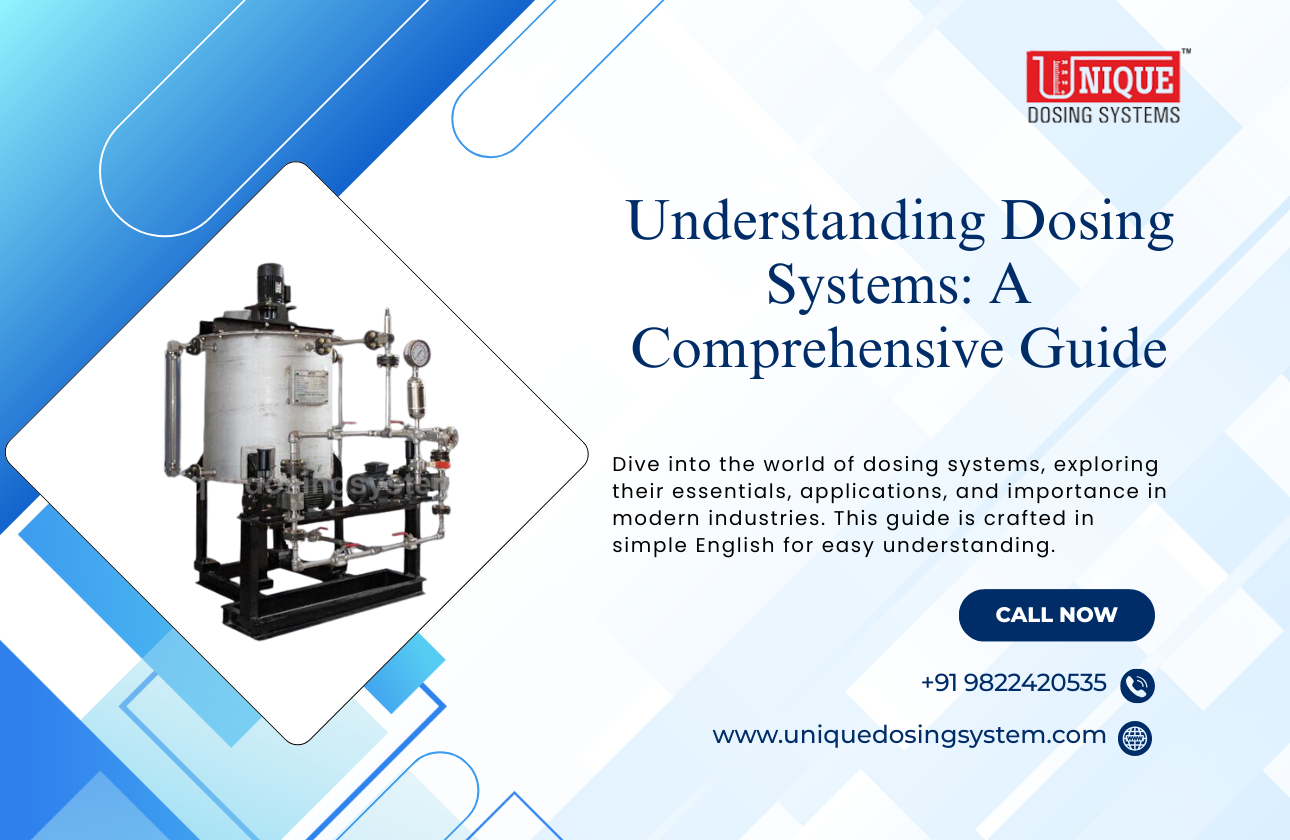
What Are Dosing Systems?
Dosing systems are essential components in various industries for controlling the flow and distribution of liquids, chemicals, or substances. They ensure that the right amount of a material is added to a process at the right time. This precision helps in maintaining the quality and efficiency of industrial processes. With a dosing system, businesses can achieve uniformity and accuracy in mixing chemicals, which is crucial for industries like water treatment, food production, and chemical manufacturing.
Why Are Dosing Systems Important?
Dosing systems play a pivotal role in manufacturing and processing industries by ensuring the exact quantity of a chemical is used each time. This not only saves resources but also minimizes waste, supporting sustainable practices. The importance of precision cannot be overstated, especially in industries like pharmaceuticals where the slightest deviation in dosage can lead to significant consequences. Furthermore, dosing systems impact the safety and functionality of the processes they are involved in.
Types of Dosing Systems
There are various types of dosing systems, each designed for specific applications. Some are meant for handling liquids, while others may deal with solids or gases. Typical systems include peristaltic pumps, diaphragm pumps, and piston pumps, among others. Choosing the right type of dosing system depends on the specific requirements of the industry and the materials being handled. Each type offers different levels of precision, maintenance needs, and cost, thus impacting the decision-making process significantly.
Applications of Dosing Systems
Dosing systems find applications in numerous sectors. In the food industry, they are used for adding additives and preservatives to products. In agriculture, dosing systems help in optimizing the use of fertilizers and pesticides, ensuring that crops receive the right amount, thus maximizing yield. The pharmaceutical industry relies heavily on dosing systems for accurate medication production and formulation. Moreover, dosing systems are crucial in water treatment facilities, ensuring that chemicals are added effectively to make water safe for consumption. Understanding the wide range of applications helps in recognizing their industrial significance.
Advantages of Using Dosing Systems
Using dosing systems offers multiple advantages. They enhance precision, enabling the exact amount of a substance to be delivered as required. This leads to improved product quality and process efficiency. Additionally, they contribute to cost savings by minimizing waste of chemicals and reducing potential for human error during manual dosing. Moreover, dosing systems improve workplace safety as they often handle hazardous or sensitive materials, keeping them enclosed and away from human contact. Efficiency and reliability are the cornerstone of why businesses integrate these systems into their operations.
Challenges in Implementing Dosing Systems
Despite their benefits, implementing dosing systems can pose challenges. One common issue is the initial cost of installation, which can be high depending on the complexity and scale of the system required. Additionally, maintenance and technical expertise are necessary to ensure the systems function effectively. This can require training staff or hiring specialized personnel. Furthermore, selecting the right type of system often requires detailed analysis of the intended use and materials, which can be time-consuming. However, overcoming these challenges usually leads to significant long-term benefits.
Frequently Asked Questions
1. What exactly does a dosing system do?
Answer: A dosing system carefully controls the addition of substances like chemicals or liquid into a process to achieve precise results.
2. Are dosing systems only used for liquids?
Answer: No, dosing systems can handle liquids, solids, and gases, depending on the specific type and application requirements.
3. How does a dosing system improve efficiency?
Answer: It precisely measures and adds the right amount of material required, reducing waste, eliminating manual errors, and enhancing process efficiency.
4. What industries use dosing systems the most?
Answer: Dosing systems are widely used in industries like pharmaceuticals, food and beverage, agriculture, and water treatment.
5. Is it expensive to maintain a dosing system?
Answer: Maintenance costs can vary based on the system's complexity, but regular maintenance ensures long-term efficiency and reduces operational mishaps.