
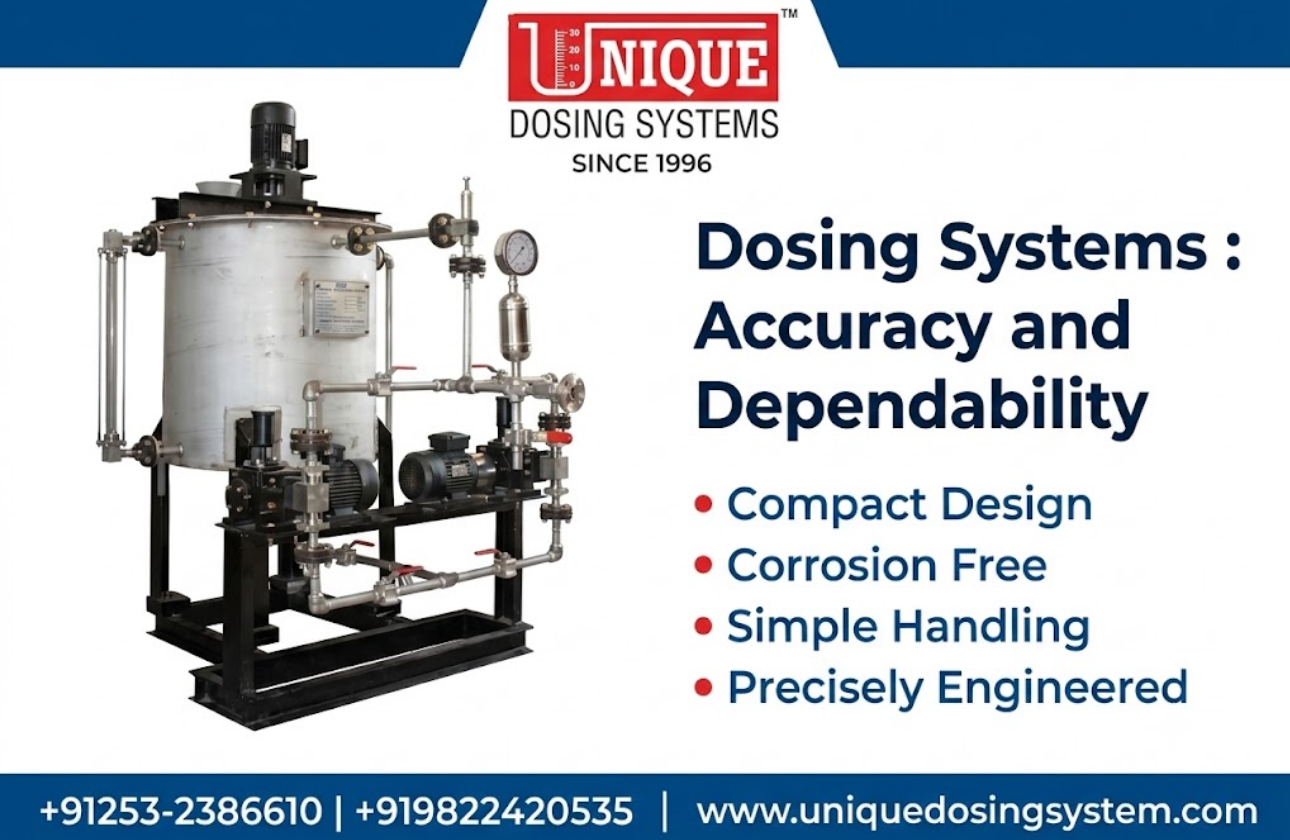
What Are Dosing Systems?
Dosing systems are devices designed to deliver precise amounts of liquids or chemicals automatically. They are commonly used in industries such as water treatment, food and beverage production, and pharmaceuticals. The primary aim of dosing systems is to ensure that the correct amount of fluid is used at every stage of a process, minimizing waste and enhancing efficiency. By using these systems, industries can control fluid delivery accurately, ensuring consistency and quality in the finished product. This controlled delivery is crucial because even slight variations can lead to significant changes in product quality or process effectiveness.
The Components of a Dosing System
A typical dosing system includes several key components that work together to ensure accurate fluid flow. These components include a pump or injector, which facilitates the movement of the fluid, and a controller, which monitors and adjusts the flow rates as necessary. There is also often some form of sensor or detector, which provides real-time feedback to the controller. This might include flow meters or pressure switches. Moreover, dosing systems involve tanks or reservoirs where the liquid is stored before being introduced into the system. The design and complexity of these components can vary significantly, depending on the specific requirements of the industry or application.
How Do Dosing Systems Work?
Dosing systems work by using pumps to move specific liquid volumes from a reservoir into a process. The operation starts with the liquid being drawn from the chemical storage tank or vessel. Next, it is moved through the piping systems by a dosing pump. On reaching the dosing line, the fluid is injected at a designated point in the process to mix with other substances or to be applied to a system. The entire operation is controlled by a central controller which regulates the operation of the pump depending on the feedback it receives from sensors along the line. This setup ensures precision in delivery and allows for corrections and adjustments in real-time to meet specific needs.
Why Are Dosing Systems Important?
Dosing systems are essential because they ensure the precision and accuracy necessary in various industrial processes. In chemical applications, controlling the exact concentration can be critical. This precision ensures operational safety and product quality, avoids waste, and safeguards the environment. For example, a water treatment facility must maintain specific chemical levels to make water safe for consumption. These levels are maintained using dosing systems. Similarly, in the food and beverage industry, dosing systems help maintain flavor consistency and safety in every batch produced. Such systems are indispensable in achieving high efficiency and productivity in modern industries.
The Benefits of Using Dosing Systems
Implementing dosing systems brings several key advantages. These systems enhance precision and consistency, ensuring that the exact dosage required is delivered every time, which is crucial in both quality control and compliance with industry standards. Moreover, dosing systems help reduce waste and are more environmentally friendly, minimizing both the cost of raw materials and the disposal of hazardous chemicals. They also reduce the risk of manual error, enhancing safety measures for operators by minimizing direct contact with potentially harmful substances. Increasing automation also frees up personnel for other critical tasks, enhancing overall operational productivity and efficiency.
Different Types of Dosing Pumps in Dosing Systems
The choice of dosing pump in a system depends on the application needs. There are several types, including diaphragm pumps, piston pumps, and peristaltic pumps. Diaphragm pumps are widely used due to their precision and range flexibility. Piston pumps are ideal for moving liquids under high pressure, whereas peristaltic pumps are typically used for more gentle applications, such as food and beverage production, where maintaining fluid integrity is important. Each pump type has unique features and benefits, which makes them suitable for specific uses. Selecting the right pump type plays a crucial role in maximizing the efficiency of the dosing system.
Industries That Rely on Dosing Systems
Dosing systems play a critical role across various industries due to their ability to deliver precise amounts of fluids consistently. In the pharmaceutical industry, precise dosing is necessary to ensure drug efficacy and safety. In water treatment, dosing systems are used to introduce necessary chemicals like chlorine and fluoride into water supplies, ensuring safety and compliance with health standards. The food and beverage industry relies on these systems for adding flavors, preservatives, and other additives into products consistently and accurately. Each of these industries benefits from the accuracy, efficiency, and reliability that dosing systems provide, making them invaluable tools in modern industrial processes.
Maintaining and Troubleshooting Dosing Systems
Proper maintenance of dosing systems is important to ensure their continued performance and longevity. Regular checks are necessary to identify signs of wear or failures in components such as pumps, sensors, and control units. Dosing systems may sometimes encounter issues like leaks or clogs, which can affect their accuracy. Usually, troubleshooting can involve checking pipe connections, inspecting the pump for wear, and ensuring sensors are functioning correctly. Routine service and maintenance, carried out by trained personnel, help in mitigating these potential issues, ensuring the system's efficiency remains uncompromised. Additionally, using quality components and adhering to manufacturer specifications are crucial for trouble-free operation.
Choosing the Right Dosing System for Your Needs
Selecting the appropriate dosing system requires careful consideration of the specific application, the chemicals involved, and the flow rate requirements. It's essential to understand the dosing system's capabilities and limitations and match these to the requirements of your application. Consultation with manufacturers or suppliers can provide valuable insights into the best options available. For those dealing with high-volume applications, a more robust system with advanced automation and control features may be ideal. For highly specialized applications, custom systems tailored to particular requirements might be necessary.
Frequently Asked Questions
1. What is a dosing system?
Answer: A dosing system is a setup that delivers precise quantities of fluid or chemical into a process. It ensures accuracy and consistency, reducing material waste and enhancing process efficiency.
2. How do dosing systems enhance safety?
Answer: Dosing systems enhance safety by automating the fluid delivery process, minimizing human contact with potentially harmful substances, and reducing the risk of errors in dosage calculations.
3. What industries benefit from dosing systems?
Answer: Industries like water treatment, pharmaceuticals, and food & beverage benefit from dosing systems. They ensure accurate fluid delivery, maintaining quality standards and compliance.
4. How can I choose the right dosing pump?
Answer: The choice depends on your application needs. Consider factors like the fluid's nature, required pressure, and desired accuracy. Consulting with experts or manufacturers can help find the best solution.
5. What are some common issues with dosing systems?
Answer: Common issues include leaks, clogs, and sensor malfunctions. Regular maintenance, proper installation, and using quality components usually mitigate these problems.