
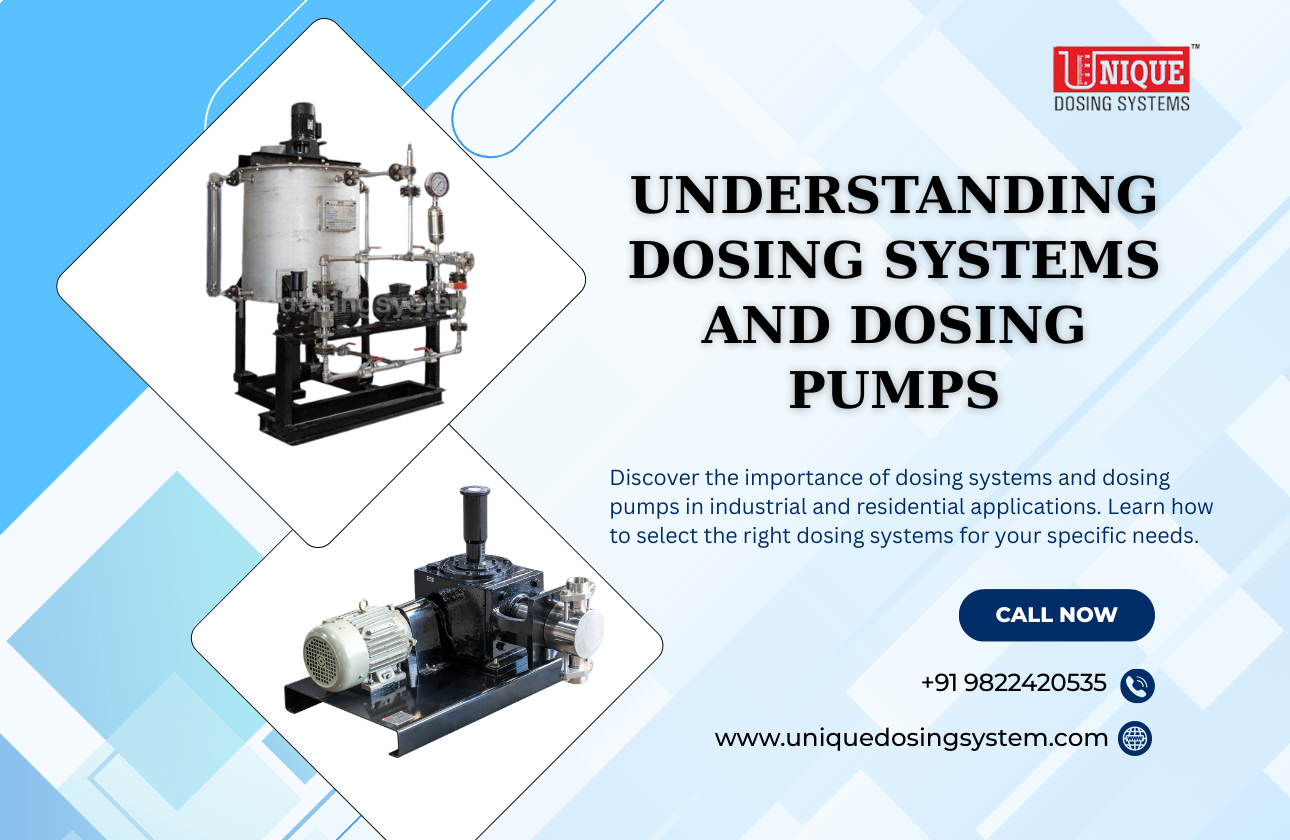
Understanding Dosing Systems and Dosing Pumps
Dosing systems and dosing pumps are crucial components in various industrial and residential applications. Whether it's for water treatment, agricultural use, or chemical manufacturing, understanding these systems can significantly improve efficiency and accuracy.
What are Dosing Systems?
Dosing systems are dosing pumps designed to automatically or manually dispense a specified quantity of a liquid or chemical solution into a system. These systems ensure precision, consistency, and safety in operations by delivering accurate doses which prevent over-consumption or under-consumption of chemicals. Commonly used in industries such as pharmaceuticals, food production, and water treatment, these systems are essential for maintaining product quality and environmental safety.
How Dosing Pumps Operate
Dosing pumps are a key component of dosing systems. They are responsible for moving the precise volume of a liquid from one place to another, often against pressure. The operation of a dosing pump involves taking in a specific volume of liquid in each stroke and pushing it out with each subsequent stroke. This volumetric action ensures that a known quantity of liquid is added to a process, enhancing dosing accuracy and control.
Types of Dosing Pumps
There are several types of dosing pumps, each suitable for different applications and environments. Some common types include:
- Peristaltic Pumps: Uses flexible tubing to move the fluid and is ideal for viscous slurries, corrosive fluids, and fluids with high solid content.
- Diaphragm Pumps: Known for their accuracy, these pumps are great for metering low-pressure applications.
- Piston Pumps: Suited for high-pressure dosing, common in industrial process applications.
Choosing the Right Dosing System
Selecting the right dosing system involves considering factors like the type of fluid, pressure requirements, and the specific application's needs. It's essential to understand the fluid's properties, including viscosity, temperature, and reactivity. Furthermore, the dosing pump's material construction should be compatible with the fluid to prevent corrosion or degradation.
When selecting a dosing system, it is also important to consider maintenance and operational costs. Systems that are easy to maintain tend to offer better long-term value, ensuring consistent performance without frequent costly repairs.
Conclusion
Dosing systems and dosing pumps play a vital role in numerous industries by providing precision and control over fluid management. By selecting the right system, businesses can optimize processes, enhance safety, and ensure compliance with health and environmental standards. Investing in a reliable dosing system is a wise decision for any operation looking to achieve accuracy and efficiency.
Contact your local supplier to learn more about the best dosing system solutions for your specific industrial or residential needs.