
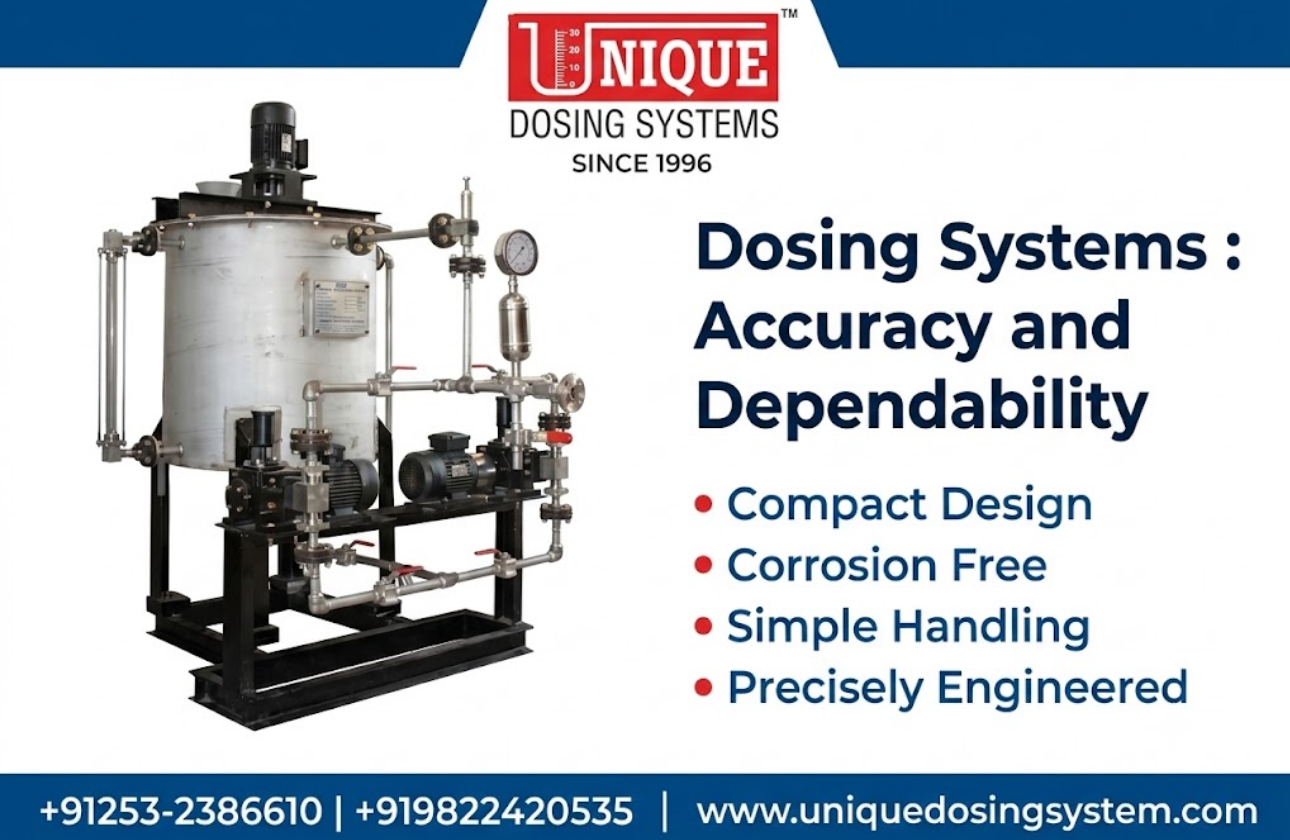
What are Dosing Systems?
Dosing systems are devices used to dispense precise amounts of liquid or chemicals into a process or container. They are essential in many industries where consistency and precision matter. From water treatment plants to food manufacturing, these systems ensure that the right chemical dosage is used to achieve desired reactions or product quality. Essentially, dosing systems consist of a pump, a control system, and sometimes additional components like filters or sensors. These components work together to deliver accurate doses of liquid or chemical without human intervention, reducing the risk of mistakes.
Components of Dosing Systems
A typical dosing system includes several key components. The heart of the system is the dosing pump, which controls the flow of liquid. Pumps can vary in type, such as metering pumps or peristaltic pumps, each suited for different applications. The control system manages the operation of the pump, adjusting the flow rate based on the process requirements. Additional components might include valves, filters, and sensors, which ensure the system runs smoothly and efficiently. Proper integration of these parts is crucial for maintaining the system's accuracy and reliability.
How Dosing Systems Work
Dosing systems operate by pulling a predetermined amount of liquid from a storage container and injecting it into a process or secondary container. This is achieved through suction and discharge lines that are controlled by the dosing pump. Users set specific parameters on the control system, which dictate the amount and frequency of dosing. Some systems include real-time monitoring to ensure that the dose is delivered as programmed and to make adjustments if needed. In more advanced systems, feedback from sensors can help automate adjustments, ensuring constant accuracy.
Applications of Dosing Systems
Dosing systems are widely used across various industries. In water treatment, they introduce chemicals like chlorine for purification. In the food industry, they ensure consistent ingredient mixing. Pharmaceutical companies use them for accurate chemical formulation, while agricultural sectors apply fertilizers through irrigation systems. The versatility of dosing systems highlights their capability to improve efficiency, accuracy, and consistency across different processes, establishing them as vital components in industry operations.
Benefits of Using Dosing Systems
The primary benefit of dosing systems is precision. By ensuring accurate delivery of liquids or chemicals, dosing systems improve process control and product quality. They also minimize waste, as only the required amount of material is used. This reduces costs and environmental impact. Additionally, dosing systems enhance safety by reducing human exposure to potentially harmful chemicals. Automated systems also save time by operating continuously without the need for constant monitoring, freeing up human resources for other tasks.
Challenges and Considerations
Despite their benefits, dosing systems can pose challenges. Complexity in setting up and maintaining the system can be a barrier for some users. Incorrect installation or calibration can lead to inaccurate dosing, affecting product quality and safety. Regular maintenance and proper training for personnel are essential to avoid these issues. Additionally, some processes might require specialized components, which can increase the initial setup cost. Therefore, a thorough understanding of the system's requirements, along with proper training, can mitigate these challenges.
Advancements in Dosing Systems Technology
Recent advancements in technology have significantly enhanced the capabilities of dosing systems. Modern systems now incorporate smart technology, allowing for remote monitoring and control. This reduces the need for on-site supervision and further enhances precision. Sensors and data analytics are increasingly being integrated into these systems, providing real-time feedback for more efficient operation. Some systems now even use AI algorithms to predict and adapt to changes in the process, ensuring uninterrupted and precise dosing.
Choosing the Right Dosing System
Selecting the right dosing system depends on several factors, including the type of liquid or chemical being used, the required dosage accuracy, and the specific application. It’s important to choose a system that meets both the technical and regulatory requirements of your industry. Consulting with manufacturers or professionals can provide valuable insights into the most suitable systems for your needs. Proper assessment of the process requirements and existing infrastructure will help ensure the selection of the right dosing system.
Impact on Industries
Dosing systems have significantly impacted industries by enhancing process efficiency and product quality. In manufacturing, they ensure consistent production lines, reducing waste and increasing throughput. In healthcare, accurate dosing of medicines helps maintain therapeutic efficacy and patient safety. Agriculture benefits through precise fertilizer application, promoting better crop yields while minimizing environmental impact. The reliable and automated nature of dosing systems has become essential in maintaining competitiveness and innovation across industries.
Environmental Impact of Dosing Systems
The environmental benefits of dosing systems cannot be overlooked. By minimizing waste and ensuring precise application of chemicals, these systems contribute to sustainable practices across industries. In agriculture, this means less runoff and lower chemical use, reducing the environmental footprint. In manufacturing, efficient dosing can lead to lower emissions and energy use. Overall, dosing systems enable industries to align with environmental regulations while supporting sustainable development goals.
Integration with Other Systems
Dosing systems often need to be integrated with other industrial processes, such as production lines or data management systems. Successful integration demands a holistic view of how these systems interact. Modern dosing systems often feature compatibility with various communication protocols, facilitating seamless integration into existing industrial ecosystems. This interconnectedness enhances overall system efficiency and data collection, driving more informed decision-making and operational adjustments.
Frequently Asked Questions
1. What is the primary function of a dosing system?
Answer: The primary function of a dosing system is to deliver precise amounts of liquid or chemicals into a process line or container. It ensures that specific dosages are added at the correct intervals, improving process accuracy and efficiency.
2. How do dosing systems benefit industrial applications?
Answer: Dosing systems enhance precision in industrial applications, reduce waste, and ensure consistency in product quality. They also improve safety by automating chemical handling processes, reducing human exposure to hazardous substances.
3. Can dosing systems be used in agriculture?
Answer: Yes, dosing systems are extensively used in agriculture to apply fertilizers and pesticides accurately. They help improve crop yields while minimizing chemical use and environmental impact.
4. What advancements are being made in dosing system technology?
Answer: Advancements include the inclusion of smart technologies for remote monitoring, integration of sensors for real-time feedback, and AI algorithms that predict and optimize dosing performance, enhancing precision and operation efficiency.
5. How does choosing the right dosing pump affect a system?
Answer: Choosing the right dosing pump is crucial as it affects the system's accuracy, reliability, and efficiency. The wrong pump can lead to inaccurate dosages, potential system failures, and increased operational costs.