
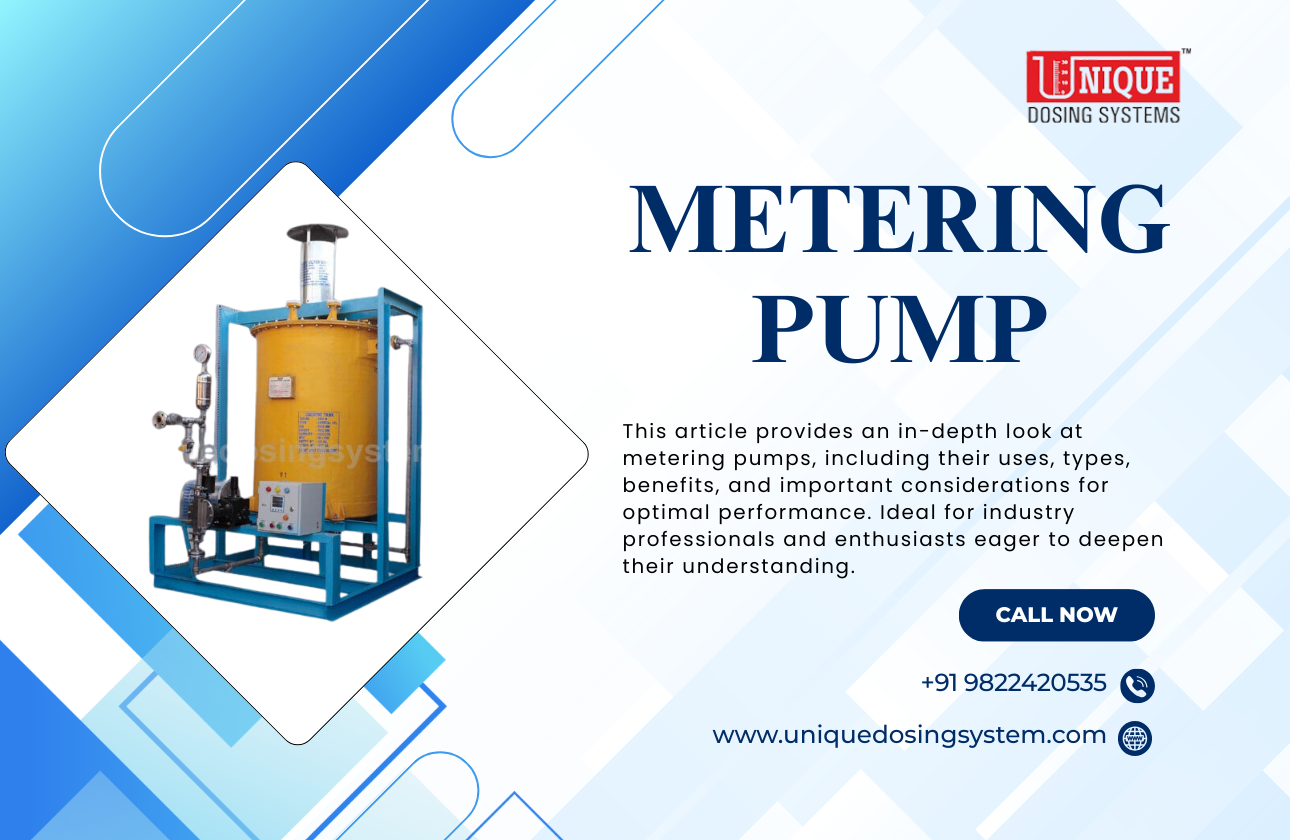
What Are Metering Pumps?
Metering pumps are specialized devices engineered to move a precise volume of liquid within a specific timeframe. They are often used in processes where accurate dosing of liquids is required, ensuring a specific rate of flow. These pumps are vital in many industries, including pharmaceuticals, food production, and water treatment, where liquid proportions must be managed precisely. The key distinction of metering pumps is their ability to offer high accuracy in liquid movement, making them indispensable when consistency is critical.
Types of Metering Pumps
There are different types of metering pumps, each designed to serve particular functions. Diaphragm pumps are commonly used due to their ability to handle a range of liquids, including corrosive chemicals. Piston pumps, on the other hand, offer high pressure capability but can struggle with thicker liquids. Selection often hinges on the specific needs of the application, such as the type of liquid being pumped and the required flow and pressure levels. Choosing the right pump type is essential to ensure optimal performance and efficiency in processing tasks.
Benefits of Using Metering Pumps
Metering pumps bring numerous benefits to various industrial applications. Their precision in dosing allows for better control over chemical reactions, resulting in improved product quality and reduced waste. They help maintain consistency, which is crucial for processes that require exact formulas. Additionally, their role in preventing excess chemical usage not only boosts efficiency but also supports environmental sustainability by minimizing pollution from industrial waste.
Industries Relying on Metering Pumps
Many industries rely heavily on metering pumps, ranging from agriculture to pharmaceuticals. In agriculture, they are used to inject fertilizers and pesticides in measured amounts, ensuring effective crop management. The pharmaceutical industry uses them for dosing medications precisely, essential for product safety and efficacy. Furthermore, the role of metering pumps in water treatment plants is critical for maintaining safe and clean water supplies by controlling chemical additives like chlorine. Such diverse applications highlight the versatility and essential nature of these pumps across different sectors.
Maintaining Metering Pumps for Longevity
Proper maintenance is key to ensuring the long service life of metering pumps. Regular inspection for wear and tear, timely replacement of worn-out parts, and following manufacturer’s maintenance guidelines are essential steps. Monitoring system pressure and ensuring that the pump is not running dry can prevent many common issues. For detailed insights on maintaining these pumps, reading resources such as the Essential Guide to Metering Pumps and Dosing Systems can offer valuable tips.
Challenges and Solutions in Metering Pump Application
Despite their effectiveness, using metering pumps can sometimes present challenges, such as handling highly corrosive or viscous fluids. To combat these challenges, choosing pumps made from resistant materials and those specifically designed for the type of fluid in question is crucial. Furthermore, integrating advanced flow control systems ensures more reliable operations under varying processing conditions. This careful selection and application can significantly boost performance even in demanding environments.
Frequently Asked Questions
1. What liquids can metering pumps handle?
Answer: Metering pumps are versatile and can handle a wide range of liquids, including corrosive chemicals, viscous fluids, and even slurries, depending on their design and material.
2. How do I choose the right metering pump for my needs?
Answer: Choosing the right pump depends on factors like the type of liquid, required flow rate, pressure, and the chemical compatibility of pump materials. Consulting with manufacturers or experts can guide these decisions.
3. What regular maintenance do metering pumps require?
Answer: Regular maintenance includes checking for wear, replacing worn parts, monitoring system pressure, and ensuring the pump does not run dry to enhance longevity and prevent damage.
4. Are metering pumps energy efficient?
Answer: Yes, metering pumps are generally energy efficient, especially when properly matched with the application they are meant for. They help in minimizing waste, both in terms of energy and materials.
5. Do metering pumps require special installation?
Answer: Installation requirements vary based on the pump type and application. Proper installation is crucial for optimal operation and usually involves ensuring correct alignment and connection to systems.