
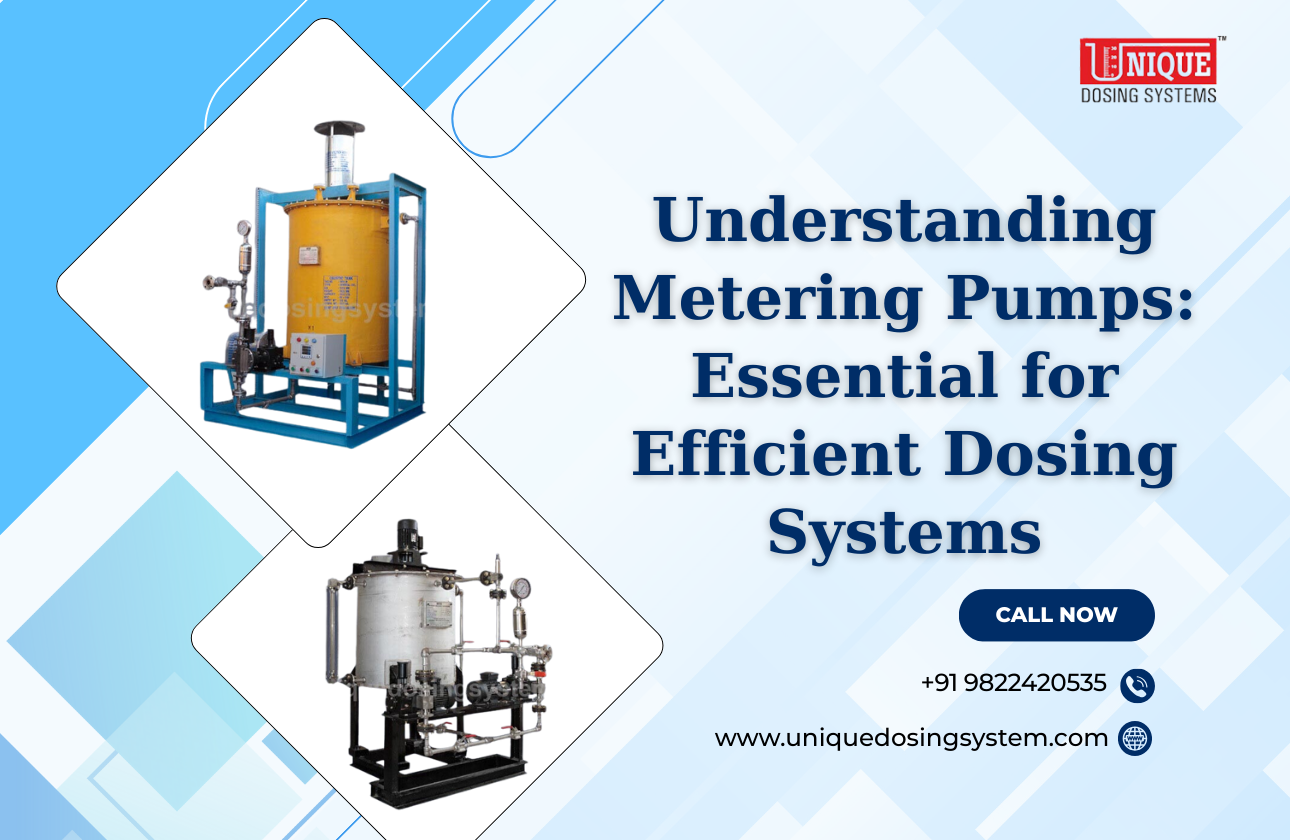
Understanding Metering Pumps: Essential for Efficient Dosing Systems
Metering pumps are pivotal for industries that demand precision in fluid handling and chemical dosing. These specialized pumps are designed to move a precise volume of liquid in a specified time frame, ensuring accuracy in diverse industrial applications. In this blog post, we'll delve into what metering pumps are, their types, and their role within dosing systems.
What is a Metering Pump?
A metering pump, often referred to as a dosing pump, is a device that delivers an accurate flow rate of a specific substance. These pumps are typically used for applications requiring precise measurement and control of liquids and gases. Most commonly, they serve in industries such as water treatment, food and beverage, and pharmaceuticals.
Types of Metering Pumps
There are several types of metering pumps based on their mechanical movement and operation. Understanding these types allows businesses to choose the right pump for specific applications.
- Diaphragm Pumps: These are among the most widely used metering pumps. They use a diaphragm made from a flexible material that moves back and forth, creating a vacuum to draw in and expel fluids. Diaphragm pumps are ideal for corrosive and viscous materials.
- Piston Pumps: Known for their strong pressure capabilities, piston pumps use a piston to move liquids in a cylinder, offering high efficiency and consistency. They are best suited for applications needing a constant flow rate.
- Peristaltic Pumps: These pumps use a rotating roller or shoe to compress tubes, pushing the fluid through. This non-contact design makes them perfect for handling shear sensitive fluids.
Role of Metering Pumps in Dosing Systems
The precision provided by metering pumps makes them indispensable in dosing systems. They ensure that the exact amount of a chemical or a reagent is added to a process. This accuracy is critical for reactions, maintaining pH, or ensuring that the concentration of a substance meets regulatory standards.
In a typical dosing system, the metering pump works alongside sensors and control systems that measure and adjust flows in real-time. This ensures that the chemical delivery remains consistent even if operating conditions change, such as temperature or pressure variations.
Applications of Metering Pumps
From treating water to blending ingredients in food production, the applications of metering pumps are wide-reaching. Some common industries and uses include:
- Water and Wastewater Treatment: Ensuring precise dosing of chemicals to maintain water quality and safety.
- Pharmaceutical Manufacturing: Delivering precise volumes for compound formulation and research.
- Food and Beverage: Maintaining consistency in flavor and product quality by accurately regulating ingredient add-ins.
Conclusion
Metering pumps are fundamental for any industry where precision in fluid delivery is crucial. Whether managing water quality, producing pharmaceuticals, or manufacturing consumables, these pumps ensure the accuracy and efficiency of dosing systems. Selecting the right type of metering pump can significantly impact operational efficiency and product quality.
To get the best performance out of your metering pumps and dosing systems, ensure they are correctly maintained and calibrated regularly to match industry specifications and certifications.