
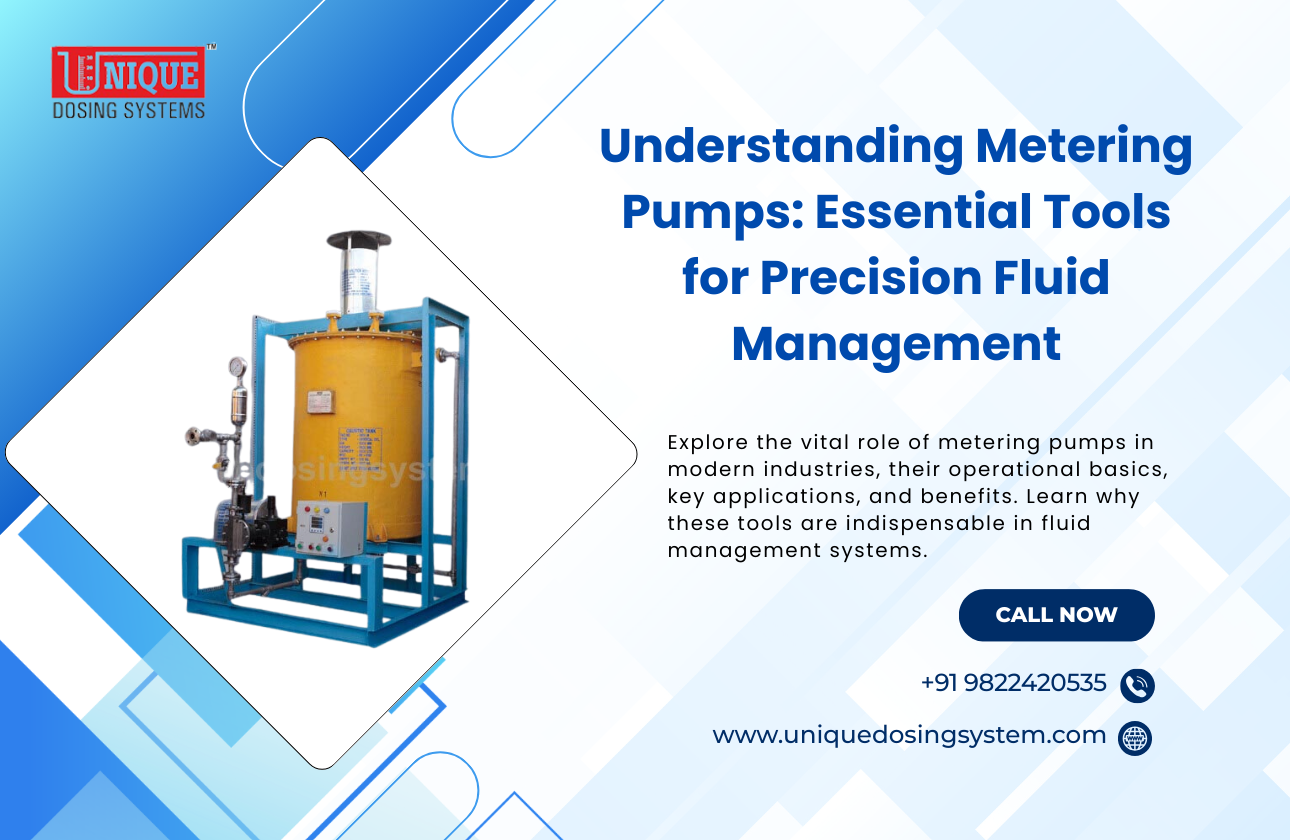
Introduction to Metering Pumps
Metering pumps are a critical component in many industrial applications, responsible for dispensing precise amounts of fluids. They serve a vital role in ensuring the accurate delivery and regulation of fluids, whether they be chemicals, liquids, or gases. Known for their accuracy and efficiency, these pumps are integral in maintaining the balance and required dosage within fluid systems. If you've ever wondered about what keeps the intricate world of fluid handling running smoothly, metering pumps are a significant part of the equation.
How Metering Pumps Work
Understanding the operation of metering pumps is essential for appreciating their value. These pumps work by drawing a predetermined volume of fluid into a chamber and then displacing that volume during each cycle. The controlled rate at which the fluid is pumped is known as the flow rate, and it's what makes metering pumps so precise. This precision is crucial for applications that require exact concentrations of specific substances, such as in pharmaceuticals and food production industries. Their ability to provide exact flow rates makes them indispensable for processes where precision is paramount.
Applications of Metering Pumps
In various industrial settings, metering pumps find numerous applications due to their versatility and precision. They are commonly used in water treatment processes where they dose water with necessary chemicals to achieve safety and quality standards. In the food and beverage industry, metering pumps ensure that flavorings and additives are dispensed accurately. Furthermore, in chemical manufacturing, they help in maintaining the proper chemical composition by metering and injecting precise quantities of reactants. These applications illustrate the extensive use and importance of metering pumps across industries.
Benefits of Using Metering Pumps
Metering pumps offer numerous benefits that enhance their appeal in industrial applications. The most notable advantage is their accuracy, which is crucial in industries where even minor deviations can lead to significant issues. Furthermore, many metering pumps are designed to handle highly corrosive or viscous fluids, making them versatile in challenging environments. They also typically have a long service life and require minimal maintenance, providing a cost-effective solution for businesses looking to optimize their fluid handling operations.
Selecting the Right Metering Pump
Choosing the right metering pump for a given application involves several considerations. You need to evaluate the chemical compatibility of the pump with the fluid being handled to ensure longevity and efficiency. It's also important to look at the desired flow rate, pressure requirements, and the environmental conditions under which the pump will operate. Understanding these factors will help in selecting a pump that not only meets current requirements but also adheres to future expectations. A careful selection process can significantly improve operational efficiency and reduce unnecessary costs.
Trends in Metering Pump Technology
The field of metering pump technology is evolving with advancements aimed at increasing efficiency and precision. Innovation is leading to pumps that are more energy-efficient and capable of handling a broader range of fluids. There's also a growing focus on developing smart pumps that feature digital controls and connectivity to integrate seamlessly with automated systems, thereby enhancing the overall operational framework of industries. By staying ahead of these trends, businesses can unlock new efficiencies and maintain a competitive edge.
Frequently Asked Questions
1. What industries benefit the most from metering pumps?
Answer: Metering pumps are highly beneficial in industries such as water treatment, chemical manufacturing, pharmaceuticals, and food and beverage. Their precision and ability to handle a variety of fluids make them indispensable in applications where accurate dosing is critical.
2. How do I know which metering pump is right for my application?
Answer: Choosing the right metering pump involves assessing factors such as chemical compatibility, flow rate, pressure requirements, and environmental conditions. Consulting with manufacturers or experienced professionals can also provide valuable insights tailored to your specific needs.
3. Are there any challenges in using metering pumps?
Answer: The primary challenge in using metering pumps lies in ensuring that they are correctly matched to their application, including chemical compatibility and operational conditions. Regular maintenance and calibration are also necessary to preserve accuracy and efficiency.
4. Can metering pumps handle corrosive substances?
Answer: Yes, many metering pumps are designed to handle corrosive substances, thanks to their robust materials and construction. However, it is crucial to verify the pump's material compatibility with the specific chemicals involved.
5. What advancements are being made in metering pump technology?
Answer: Present-day advancements in metering pump technology focus on improving energy efficiency and incorporating smart technology. These innovations include digital controls and connectivity that allow for better integration with automated systems, further enhancing precision and operational efficiency.