
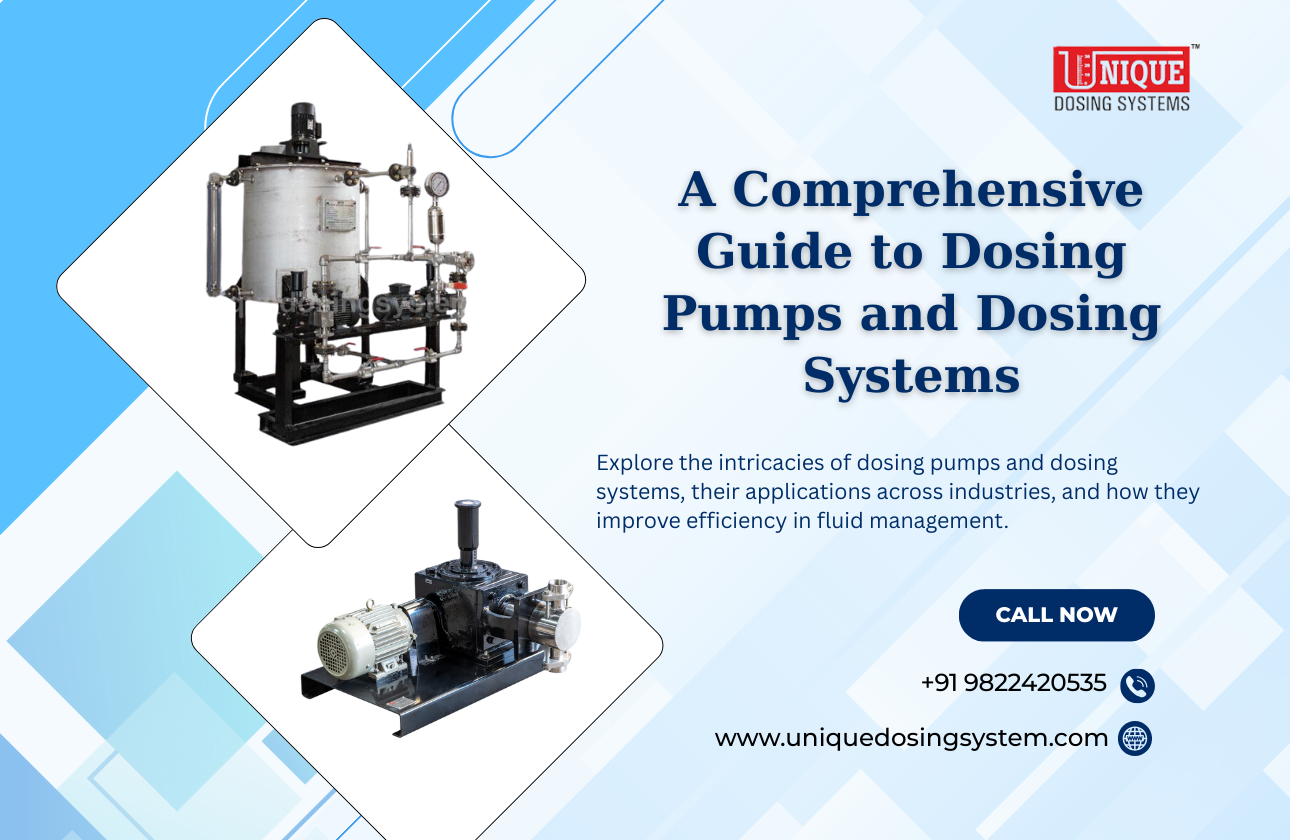
A Comprehensive Guide to Dosing Pumps and Dosing Systems
Dosing pumps and dosing systems are crucial components in a multitude of industries, ensuring precise fluid management and enhanced operational efficiency. From water treatment plants to chemical manufacturing, these systems play an essential role in maintaining optimal processes. In this guide, we delve into what dosing pumps and dosing systems are, their different types, and their applications across various sectors.
What Are Dosing Pumps?
Dosing pumps are positive displacement pumps specifically designed to dispense precise amounts of liquids. They are critical in applications requiring accurate fluid control, ensuring that the exact quantity of liquid is added to a dosing systems at the right time. Dosing pumps can handle a wide range of substances, including chemicals, water, and other fluids.
Types of Dosing Pumps
There are several types of dosing pumps, each tailored to specific applications and fluid characteristics:
- Peristaltic Dosing Pumps: These pumps use a rotating roller to squeeze a flexible tube, effectively moving fluid. They are ideal for handling corrosive and viscous fluids.
- Diaphragm Dosing Pumps: Utilizing a reciprocating diaphragm, these Dosing system ensure precise fluid control and are often used in water treatment and chemical processing.
- Piston Dosing Pumps: Known for their high-pressure capability, piston pumps are used in applications where a consistent flow rate is necessary.
Understanding Dosing Systems
Dosing system encompass a broader setup that includes dosing pumps, control units, tanks, and other components to create an integrated solution. The primary goal of a dosing system is to automate the delivery of precise fluid amounts, improving safety, consistency, and efficiency across operations.
Applications of Dosing Systems
Dosing systems find applications in numerous industries:
- Water Treatment: Ensures the precise addition of chemicals for water purification, pH balance, and contamination control.
- Food and Beverage: Used for flavor and preservative dosing to ensure product consistency and safety.
- Pharmaceuticals: Critical for producing accurate concentrations in drug formulation and manufacturing.
- Chemical Manufacturing: Facilitates the safe handling and application of corrosive substances.
Benefits of Using Dosing Systems
Implementing dosing systems offers several benefits, such as:
- Accuracy: Ensures precise measurements, reducing the likelihood of waste or error.
- Efficiency: Enhances process speed and reliability by minimizing manual intervention.
- Safety: Reduces risks associated with handling hazardous materials manually.
- Cost-Effectiveness: Lowers material costs through efficient and precise dosing pumps.
Conclusion
Dosing pumps and dosing systems are indispensable to numerous industries, ensuring that fluid handling is efficient, safe, and accurate. As technology advances, these systems continue to evolve, offering even greater precision and reliability. Businesses looking to enhance their operational efficiency should consider integrating advanced dosing solutions tailored to their specific needs.
For further insights into choosing the right dosing pumps and systems for your business, feel free to reach out to our team of experts.