
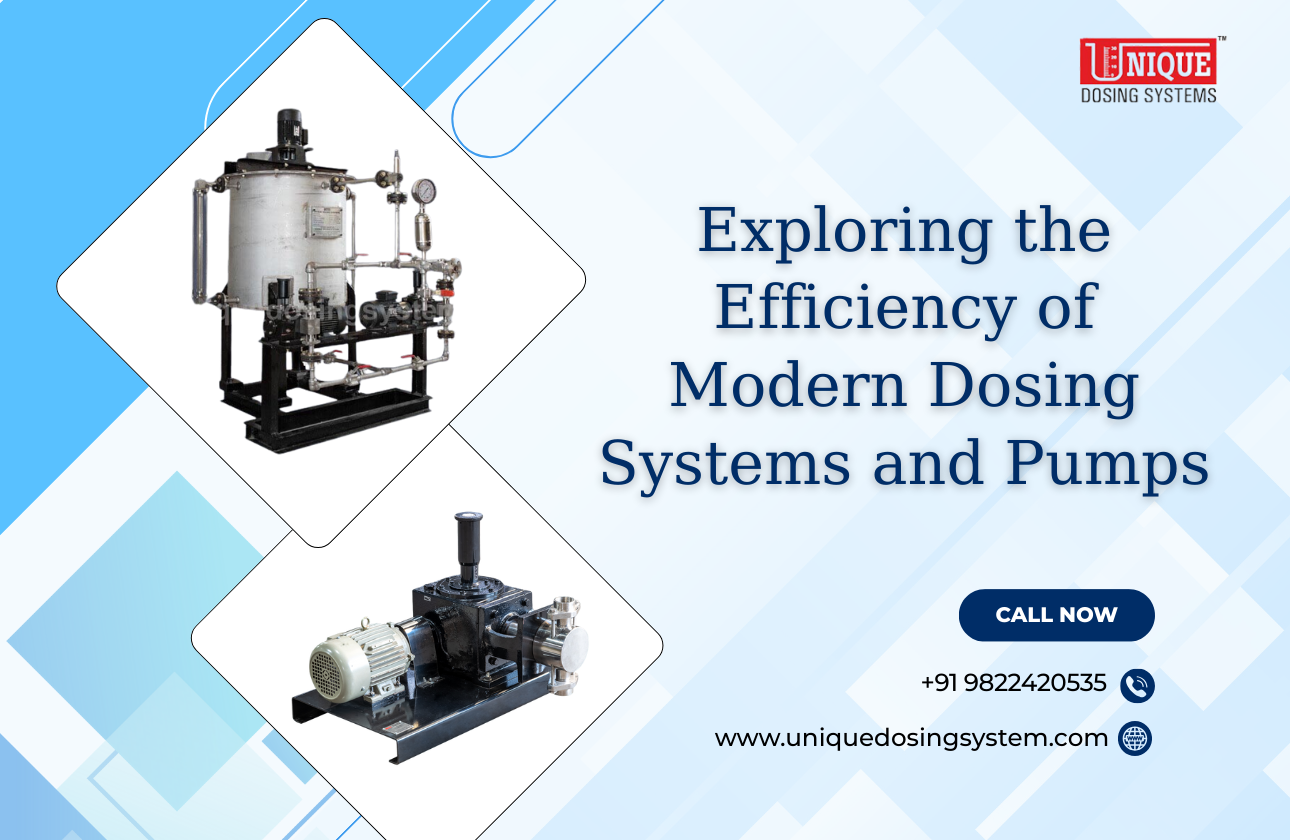
Exploring the Efficiency of Modern Dosing Systems and Pumps
In today's fast-paced world, industries are constantly looking for ways to enhance productivity and precision. This need has led to the modernization of dosing systems and pumps, tools that are indispensable in sectors ranging from pharmaceuticals to water treatment.
Understanding Dosing Systems
A dosing system is a comprehensive solution used to dispense specific quantities of substances, like chemicals, into a process or for product formulation. It ensures accuracy, efficiency, and safety, reducing waste and optimizing operations.
Components of an Effective Dosing System
- Pumps: The heart of the system, these mechanisms control the substance flow into the target area.
- Control Units: These are used for programming the flow and amount of the substance, allowing for automated processes.
- Safety Features: Modern systems include alarms and shutdown mechanisms to prevent over-dosing.
- Reservoirs: Containers that store the substance to be dosed.
The Role of Dosing Pumps
A dosing pump is integral to the dosing system, specifically designed to automate the precise handling of fluids. Operating within the larger system, these pumps are tailored to dispense exact fluid amounts, crucial in many applications.
Key Benefits of Dosing Pumps
- Precision: Modern dosing pumps are engineered to deliver fluids with high accuracy to meet specific industry standards.
- Versatility: These pumps can handle a wide range of fluid viscosities, making them suitable for diverse uses.
- Automation: Advanced models offer programmable dosing cycles, which enhance convenience and ensure consistency.
- Safety: They reduce the risk of exposure to hazardous chemicals by ensuring that humans don't manually handle these substances excessively.
Applications Across Industries
Dosing systems and pumps have revolutionized processes in several fields:
Pharmaceuticals
In this industry, precision is paramount. Dosing systems ensure the correct formulation of medications, thus contributing to patient safety and drug efficacy.
Water Treatment
For water treatment facilities, dosing systems introduce exact chemical quantities to purify water, ensuring that it meets health and safety guidelines.
Food and Beverage
The food industry uses dosing pumps for flavorings, colorants, and preservatives, ensuring repeatable batch production and safety from cross-contamination.
Industrial Manufacturing
From adhesives to lubricants, dosing systems reduce waste and enhance operational efficiency by facilitating exact material application.
Conclusion
Incorporating dosing systems and dosing pumps into industrial operations offers an array of benefits, from increased precision to improved safety. As technology advances, these systems will continue to evolve, supporting ever-greater efficiencies across industries.