
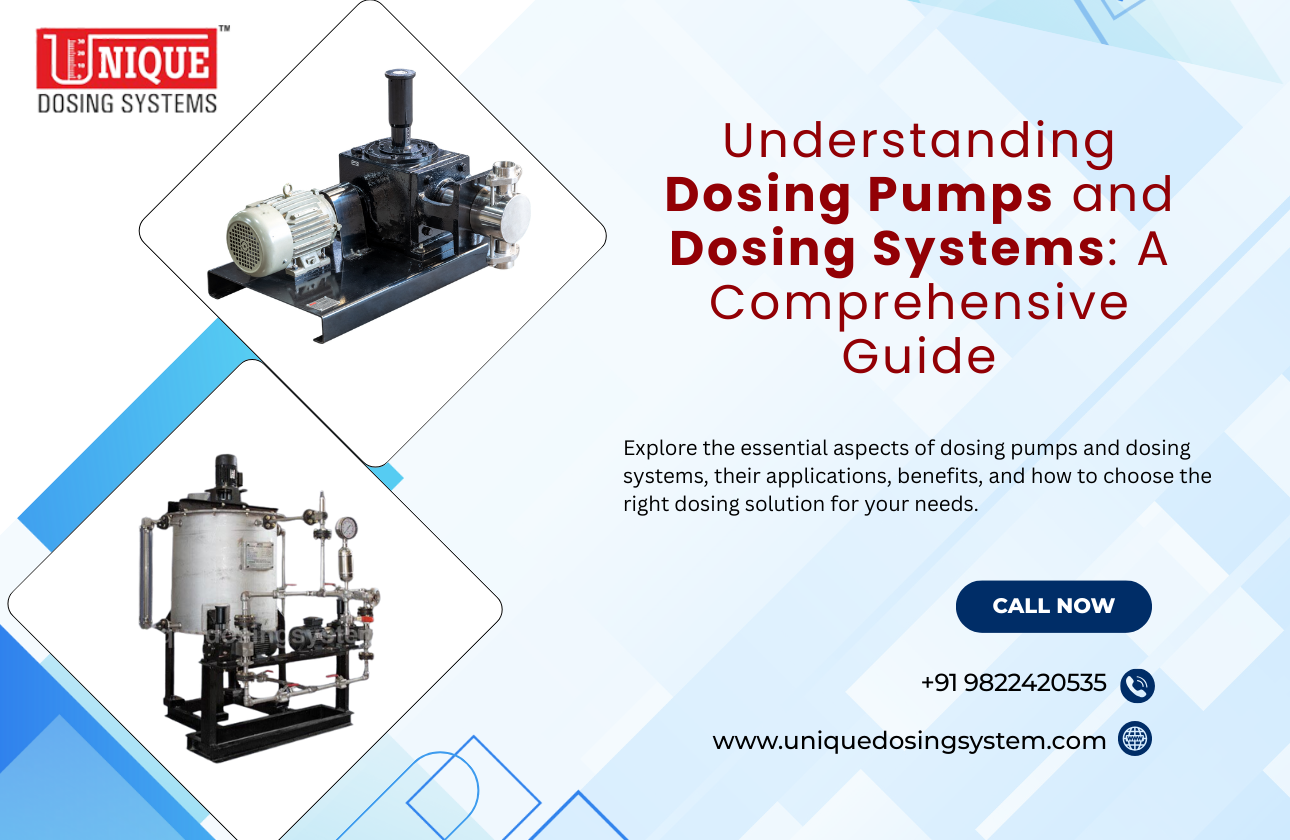
Understanding Dosing Pumps and Dosing Systems: A Comprehensive Guide
Dosing pump and dosing systems are critical components in a variety of industries, from water treatment to chemical processing. These systems ensure accurate measurement and delivery of fluids, making them indispensable for maintaining process efficiencies and safety standards.
What is a Dosing Pump?
A dosing pump is a small but crucial piece of equipment designed to deliver a precise volume of liquid over a specific period of time. These pumps are essential for tasks that require accuracy and control, including chemical injection, water treatment, soap and detergent dispensing, and more.
The Role of Dosing Systems
Dosing systems encompass a combination of dosing pumps, control units, sensors, tubing, and tanks that work together to dose fluids accurately and consistently. These systems can handle a wide range of materials, including chemicals, reagents, and additives, making them ideal for industries like agriculture, pharmaceuticals, and food production.
Types of Dosing Pumps
- Diaphragm Pumps: Commonly used for chemical dosing, these pumps are known for their durability and precision.
- Peristaltic Pumps: Known for handling viscous liquids and slurries, ideal for applications where contamination must be avoided.
- Piston Pumps: Suitable for high-pressure applications, they offer excellent accuracy and reliability.
Benefits of Using Dosing Systems
The implementation of dosing systems can drastically improve operational efficiency and product quality. Here are some benefits:
- Accuracy: Dosing pumps are designed to deliver the exact amount of necessary material, reducing waste and ensuring consistency.
- Cost-effectiveness: Precision dosing reduces unnecessary usage of chemicals and additives, cutting costs.
- Flexibility: Suitable for a wide range of applications and adaptable to various industrial requirements.
- Environmental Benefits: Reducing chemical waste is good for the environment and helps industries meet regulatory standards.
Choosing the Right Dosing System
Selecting a suitable dosing system depends on several factors, including the nature of the fluids being handled, the required level of precision, and the operational environment. Consider the following tips:
- Understand Your Requirements: Clearly outline what you need the system to achieve, including flow rate and fluid characteristics.
- Consider Environmental Conditions: Ensure the equipment can withstand the operational environment, whether it involves extreme temperatures or corrosive materials.
- Consult with Experts: Engage with manufacturers or suppliers who can provide tailored solutions specific to your needs.
Conclusion
Dosing pumps and dosing system are essential tools that enhance precision and efficiency in numerous industrial processes. By understanding their functions, types, and applications, businesses can leverage these systems to optimize operations, reduce costs, and achieve higher quality standards. For further exploration into dosing technology, consider consulting with experts in the field to determine the best solutions for your unique requirements.