
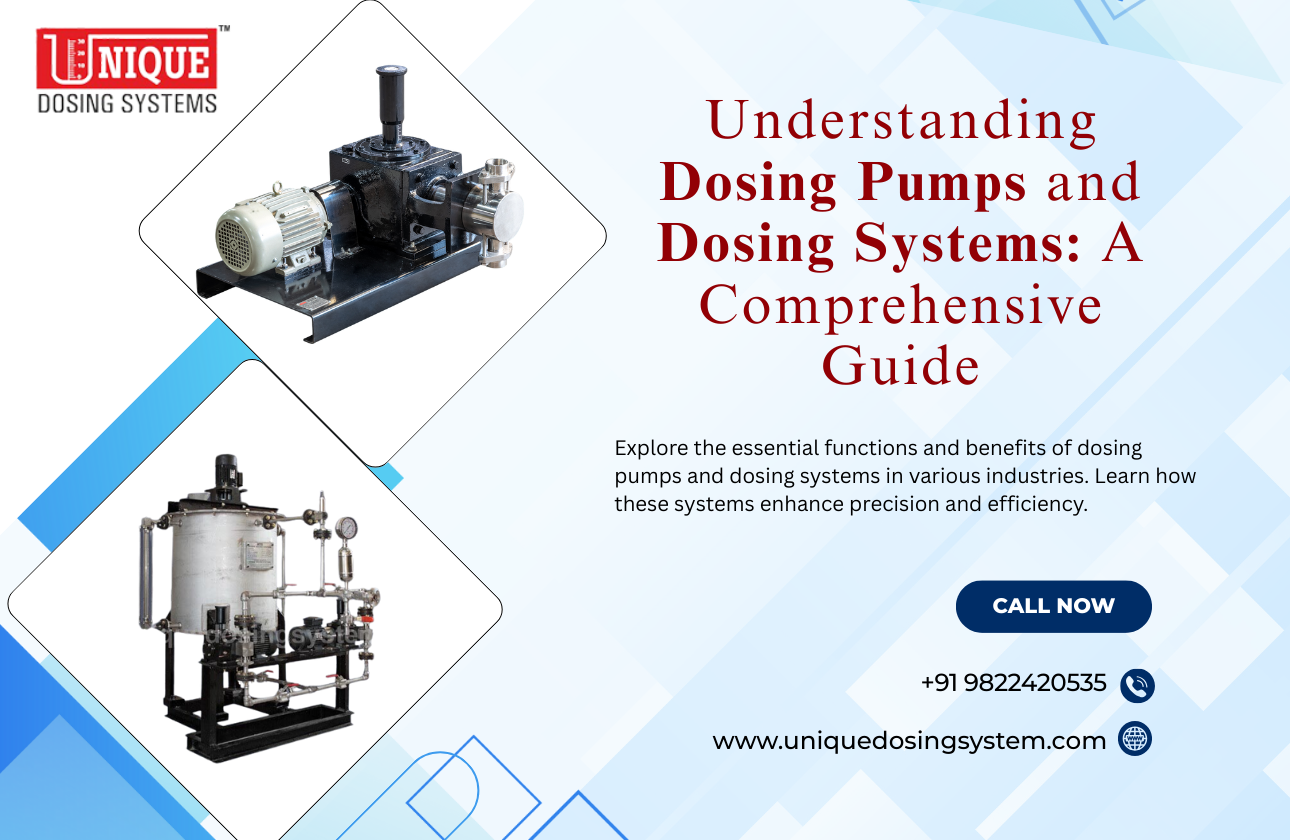
Understanding Dosing Pumps and Dosing Systems: A Comprehensive Guide
In today’s fast-paced industrial world, precision and efficiency are crucial to maintaining competitive edge and high-quality output. One of the key components contributing to these metrics in various setups is the dosing pump and by extension, the comprehensive dosing systems.
What is a Dosing Pump?
A dosing pump is a small, positive displacement pump. It is designed to inject a precise amount of chemical or substance into a process fluid stream. This precision makes dosing pumps indispensable in fields such as water treatment, food processing, pharmaceuticals, and chemical manufacturing where exact quantities can significantly impact results.
The Role of Dosing Systems
Dosing systems consist of multiple dosing pumps working together along with other necessary equipment such as controllers, tanks, and pipelines to ensure the correct flow and concentration of chemicals or nutrients into a system. They are highly valued in operations that require meticulous chemical management, such as in water treatment plants to maintain sanitary standards and avoid waterborne diseases.
Components of a Dosing System
- Pumps: The heart of the system, responsible for delivering exact fluid volumes.
- Control Units: These manage pump operation, ensuring accurate dosing cycles.
- Tanks: Hold chemicals or nutrients safely for distribution.
- Piping & Valves: Used to transfer fluids from tanks to the point where they are needed.
Benefits of Dosing Systems
The integration of dosing systems offers numerous advantages, extending from cost savings to environmental stewardship. Here’s how:
- Precision: With accurate dosing, wastage is minimized, ensuring resource efficiency.
- Automation: Reducing the need for manual intervention, thus minimizing human error and labor costs.
- Consistency: Ensures the uniformity of product quality and process stability.
- Safety: Reduces the risk associated with handling hazardous chemicals manually.
- Environmental Impact: Optimized dosing contributes to lower chemical usage, aligning with sustainable practices.
Applications Across Industries
Dosing pumps and systems have broad applications across numerous industries:
- Water Treatment: Essential for controlling pH levels, disinfection, and removing contaminants.
- Food & Beverages: Used for flavoring, coloring, and adding preservatives in precise quantities.
- Pharmaceutical: Integral in ensuring the correct formulation of medicines, maintaining strict dosage guidelines.
- Oil & Gas: Used in injecting corrosion inhibitors to preserve pipeline integrity.
Conclusion
As industries evolve, the demand for precision tools like dosing pumps and dosing system will continue to grow. Their ability to significantly enhance efficiency and accuracy makes them an indispensable asset, ensuring not only economic gains but also adherence to environmental and safety standards. Whether you are optimizing a water treatment facility or developing a pharmaceutical production line, understanding the role and benefits of these systems can lead to significant operational advantages.
Investing in quality dosing systems today can lead to sustainable and efficient processes tomorrow. As technology advances, so too will the capabilities and applications of these vital systems.