
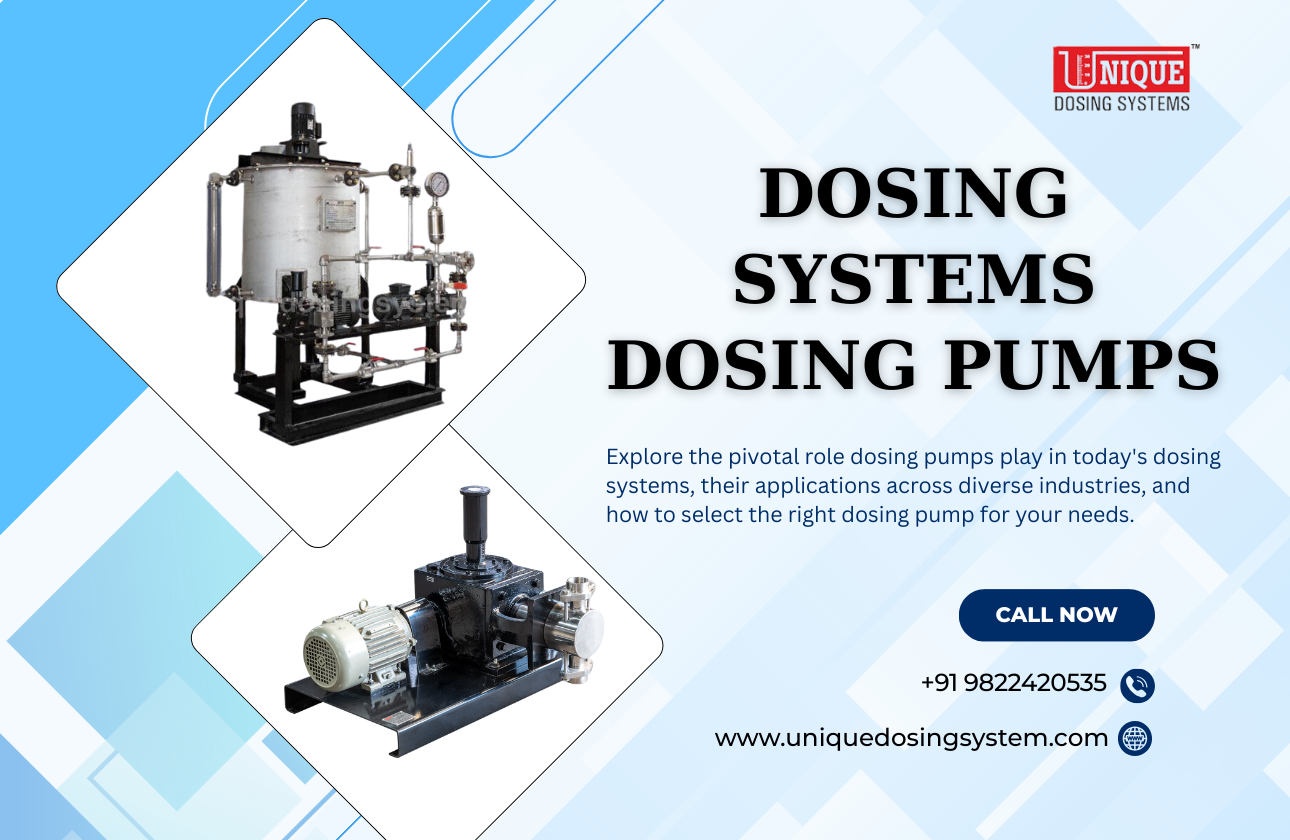
The Basics of Dosing Pumps
Dosing pumps are critical components in industrial and commercial environments where precise fluid management is paramount. These pumps are designed to inject a controlled amount of fluid into a process stream, ensuring accurate dosing of chemicals, nutrients, or other substances. Their ability to maintain precise dosing levels makes them indispensable in fields like water treatment, food processing, pharmaceuticals, and agricultural operations.
The Functionality of Dosing Systems
A dosing system is an integrated set-up that includes a dosing pumps, control units, tanks, and tubing to ensure the accurate dispensation of chemicals and additives. The primary function of these systems is to adjust chemical levels in fluid streams automatically, minimizing human error and ensuring safety standards are consistently met.
Key Components of Dosing Systems
- Dosing Pump: The heart of the system, responsible for the actual delivery of fluids.
- Control Unit: Regulates the pump's operation, ensuring accurate dosing volume and frequency.
- Storage Tank: Holds the fluid that needs to be dispensed.
- Tubing and Connectors: Facilitate fluid movement from the storage tank to the application point.
Types of Dosing Pumps
Dosing pumps come in various types, each suitable for specific applications. The most common include:
Peristaltic Dosing Pumps
These dosing pump use a rotating roller mechanism to compress a flexible tube, pushing the fluid through. They are ideal for handling viscous fluids and ensuring no contamination, as the fluid only contacts the pump tubing.
Diaphragm (Membrane) Dosing Pumps
Commonly used in environments that require high pressure and precision, diaphragm pumps utilize a flexible diaphragm to move fluids. They are known for their durability and ability to handle corrosive chemical substances.
Piston Dosing Pumps
Preferred for high-pressure applications, piston dosing pump use a reciprocating piston to move fluid in and out of a chamber. These are effective in industrial settings where precision and robustness are required.
Benefits of Using a Dosing System
Implementing a dosing system provides numerous benefits:
- Precision: Ensures uniform distribution of chemicals.
- Efficiency: Automates dosages to reduce labor costs and increase consistency.
- Safety: Minimizes direct human exposure to hazardous chemicals.
- Scalability: Easily adapted to small or large scale systems based on requirement expansions.
Choosing the Right Dosing Pump
When selecting a dosing pump, it's essential to consider the type of fluid, required flow rates, operating pressures, and the overall complexity of the dosing system. Partnering with a reputable supplier can help navigate these options and find a solution that meets your specific needs.
Conclusion
Dosing pumps are more than just mechanical components; they are vital to the efficiency and safety of numerous industrial applications. Understanding their role and choosing the right dosing system can enhance process reliability and operational efficiency significantly.