
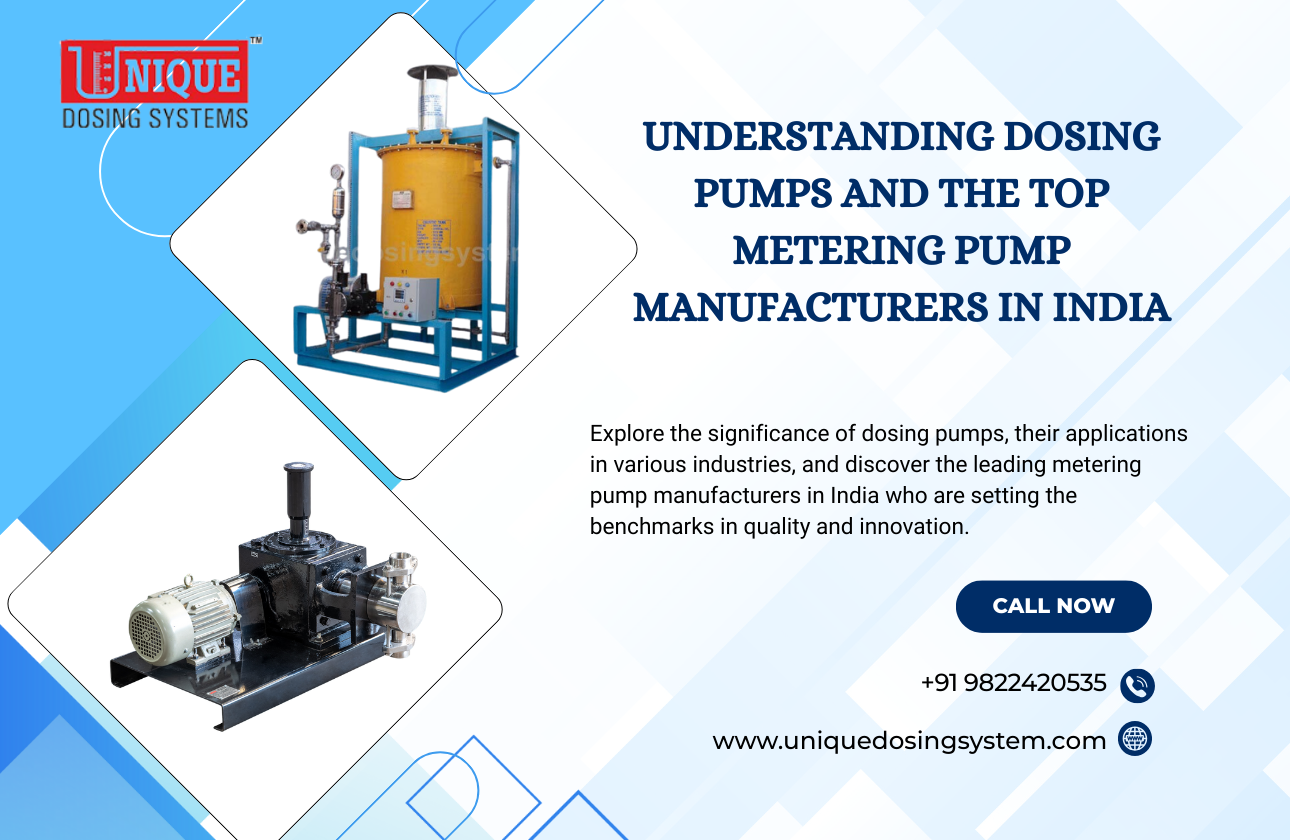
Understanding Dosing Pumps: The Heart of Modern Dosing Systems
In industries where precision and accuracy are critical, dosing pumps play an indispensable role. These pumps, often considered the heart of modern dosing systems, deliver fluids at precise flow rates, ensuring that industrial processes run smoothly and efficiently. But what exactly are dosing pumps, and why are they crucial in various applications? Let's delve into the fascinating world of dosing pumps and dosing systems.
What are Dosing Pumps?
Dosing pumps are specially designed pumps used to inject a precise volume of liquid into a process stream. They are known for their exceptional control over flow rates, making them ideal for metering purposes in industries such as chemical manufacturing, water treatment, food processing, and pharmaceuticals. By delivering exact amounts of fluid, dosing pumps ensure accuracy and consistency in diverse applications.
How Do Dosing Pumps Work?
Dosing pumps function by drawing fluid into a chamber, which is then evenly distributed into a discharge line. Most dosing systems use a diaphragm pump mechanism, in which a flexible membrane inside the pump housing moves to draw and push fluid. This design offers reliability and efficiency, while preventing leaks and ensuring high-pressure tolerance.
Why are Dosing Pumps Important?
The significance of dosing pumps lies in their ability to maintain accuracy in processes where even slight deviations could lead to costly errors or compromised quality. Here are some key benefits:
- Precision: Dosing pumps provide accurate flow rates, essential for mixing chemicals in exact proportions.
- Reliability: With a durable design, these pumps ensure consistent performance across varied conditions.
- Versatility: Suitable for handling a wide range of fluids, including corrosive and viscous substances.
- Cost-Efficiency: Their precision minimizes product waste, optimizing operational costs.
Applications of Dosing Systems
Dosing systems, comprising dosing pumps and complementary components, are integral to multiple sectors:
Water Treatment
In water treatment facilities, dosing pumps are used to add chemicals such as chlorine and pH adjusters to purify and maintain water quality.
Chemical Manufacturing
These pumps ensure accurate ingredient proportions, crucial for quality control in chemical production processes.
Food and Beverage Industry
Dosing systems help maintain flavor consistency and safety by precisely controlling additive quantities like preservatives and enzymes.
Pharmaceuticals
In pharmaceuticals, accuracy in drug formulation is required to meet stringent quality standards.
Conclusion
Dosing pump are fundamental components of modern dosing systems, providing the precision and reliability needed in various industries. As technology advances, these pumps continue to evolve, offering even more sophisticated solutions for complex industrial challenges. Understanding their function and importance can help businesses achieve operational excellence, paving the way for safer and more efficient industrial processes.
Whether you operate in chemical manufacturing, water treatment, or any other industry requiring exact fluid metering, investing in high-quality dosing pumps can be a decisive factor in the success of your operations. Embrace these technological marvels and witness your process capabilities elevate to new heights.