
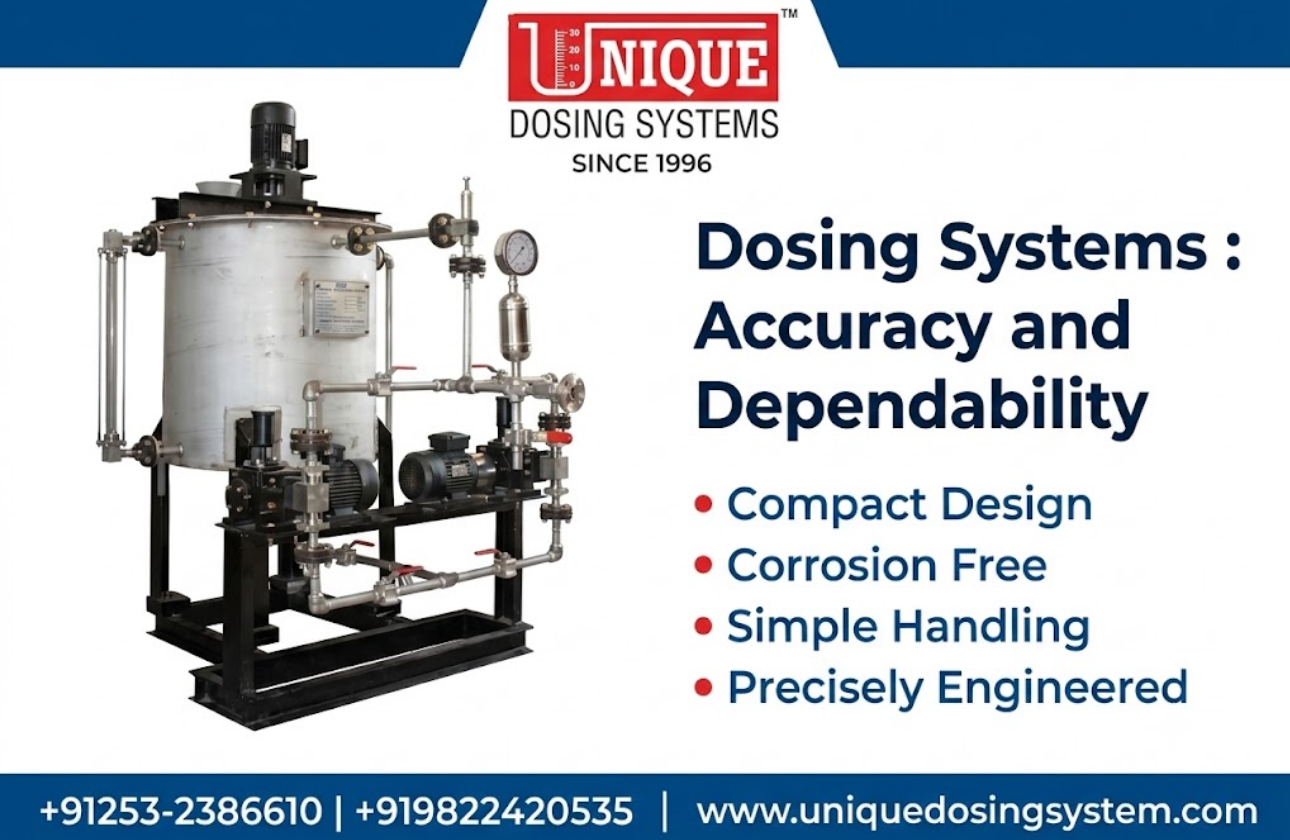
What is a Dosing System?
Dosing systems are essential tools used in various industries for the precise addition of a substance into a process or product. Think of them as the devices that ensure exactly the right amount of a chemical is added at the right time. These systems are highly valued in industries such as water treatment, food and beverage production, and pharmaceuticals because they allow for accurate control over the amounts of liquids added to a process. This precision helps maintain the quality, safety, and efficacy of the final product. By using dosing systems, industries can save resources and time while minimizing waste and the risk of human error.
How Do Dosing Systems Work?
Dosing systems work by using pumps to control the flow of chemicals into a process. They can be set to dispense exact dosages either continuously or in specific amounts at regular intervals. These systems often include components such as pumps, control units, tanks for storing chemicals, and safety features to prevent over-dosing. The pumps used in dosing systems can be of various types, including piston, diaphragm, and peristaltic pumps. Each type of pump has its own benefits and is chosen based on the specific needs of the process it will be used in. Moreover, the control unit in a dosing system can be programmed to adjust the dosage based on the specific requirements of the process, ensuring consistent performance.
Applications of Dosing Systems
Dosing systems are found in a wide range of applications across different industries. In the water treatment industry, they are used to add chemicals like chlorine for disinfecting, or to adjust pH levels. In the food and beverage industry, dosing systems help add precise amounts of flavorings, preservatives, and other additives. The pharmaceutical sector relies on these systems for the accurate manufacturing of medicines, where precise dosages are critical. Beyond these industries, dosing systems also play a vital role in agriculture for fertilizer application and in the maintenance of swimming pools. The flexibility and precision of dosing systems make them indispensable for any application where controlled chemical addition is necessary. For more in-depth insights into their applications, you can explore this guide.
Types of Dosing Systems
There are several types of dosing systems, each designed for specific kinds of tasks. Manual dosing systems require human intervention, whereas automatic dosing systems use sensors and controllers to carry out operations autonomously. Continuous dosing systems dispense chemicals regularly over a fixed period, while batch dosing systems release chemicals in specific quantities at set intervals. There are also multi-parameter dosing systems that can manage several chemicals simultaneously, making them ideal for complex processes. The choice of a dosing system largely depends on the application it is intended for, the level of precision required, and the specific characteristics of the substances to be dosed. A detailed exploration of these types can be found in this article.
Managing a Dosing System
Managing a dosing system efficiently requires understanding the components and operation of the system. Regular maintenance is crucial to ensure that the system continues to function accurately. This includes checking the calibration of dosing pumps, inspecting seals and fittings for leaks, and ensuring that sensors and controllers are working correctly. Regular maintenance also involves cleaning the system to prevent blockages and maintaining the storage tanks in terms of cleanliness and integrity. Proper training for personnel using the systems can lead to effective management. For further insights into optimization, you may find this resource helpful.
Advantages of Using Dosing Systems
Using dosing systems in industrial processes offers several advantages. The most significant benefit is accuracy, which ensures that the right amount of chemical is added at the right time, reducing waste and saving costs. These systems also enhance safety by minimizing direct human contact with potentially hazardous chemicals. Automation in dosing systems leads to better resource management and consistent product quality. Dosing systems also allow for flexibility in production operations, accommodating changes in recipe or formulation with ease. Overall, these systems contribute to higher efficiency and productivity in industrial operations. For more about their importance, you can read more here.
Challenges in Dosing System Implementation
Despite their benefits, implementing dosing systems can present some challenges. These include the initial cost of installation, the potential complexity of integrating them with existing processes, and the requirement for skilled personnel to manage them. Ensuring consistent calibration and maintenance can also pose a challenge, especially where chemical properties or environmental conditions can affect the performance of the dosing system. It's essential to address these challenges with thorough planning and effective training of staff. Solutions to these challenges are further explored in this guide.
Frequently Asked Questions
1. What industries use dosing systems the most?
Answer: Dosing systems are extensively used in industries like water treatment, pharmaceuticals, food and beverage production, agriculture, and pool maintenance.
2. Are dosing systems customizable?
Answer: Yes, dosing systems can be customized according to the specific needs of the process or industry, with systems available that cater to particular chemicals and dosing requirements.
3. How often should dosing systems be maintained?
Answer: Regular maintenance should occur at least annually, though more frequent checks might be necessary depending on usage and environmental conditions.
4. Can dosing systems be automated?
Answer: Yes, dosing systems can be fully automated using sensors and control units to regulate the flow and dosage of chemicals without human intervention.
5. What is the importance of accuracy in dosing systems?
Answer: Accuracy in dosing systems ensures the right amount of a substance is added, which is critical for quality control, safety, and cost savings in industrial processes.