
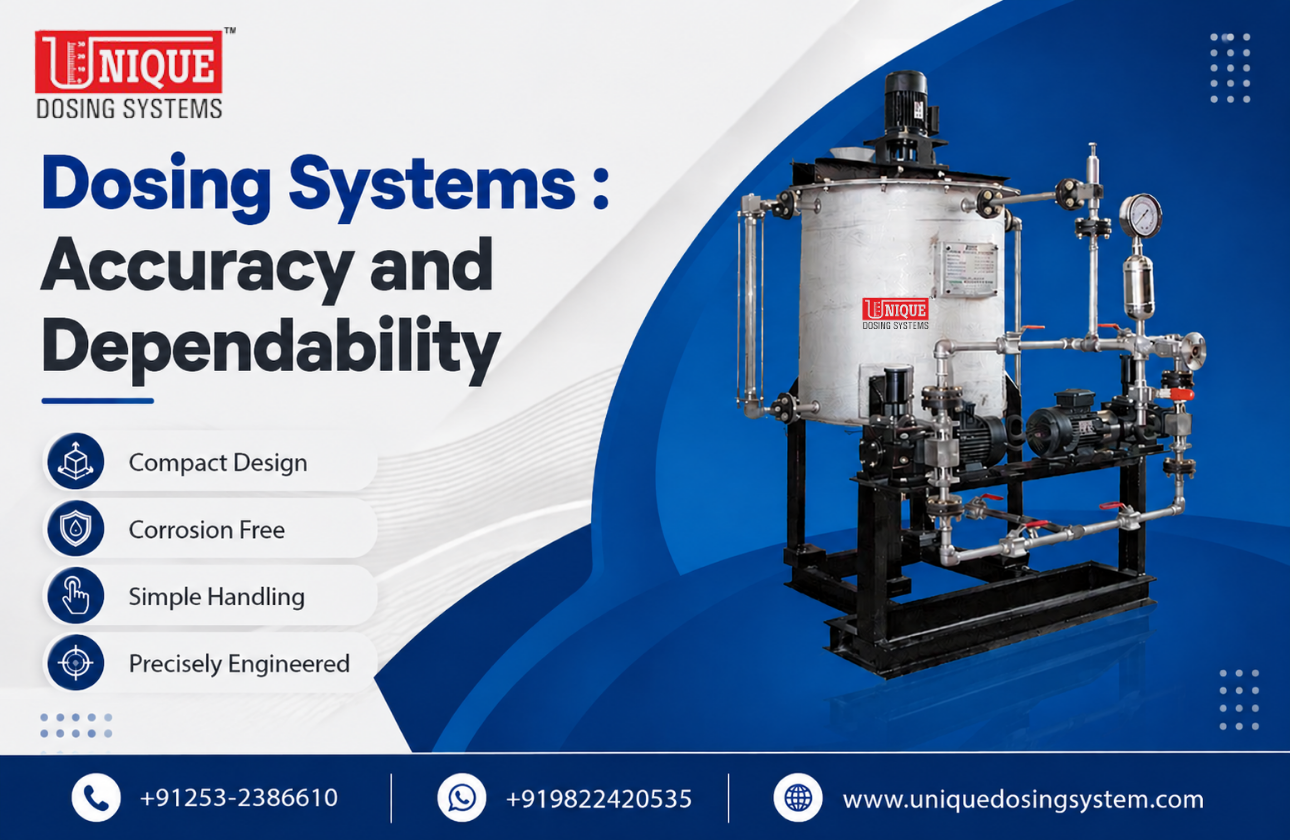
What is a Dosing System?
A dosing system is a system designed to control the flow rate of a fluid into a particular process. These systems are critical in many industries as they ensure precise measurement and delivery of chemicals or other fluids, which helps maintain desired concentrations and prevent wastage. The core idea behind a dosing system is to achieve accuracy and control in fluid management, making processes more efficient and cost-effective. From water treatment plants to food industries, dosing systems find a wide array of applications because of their precision and reliability.
Importance of Dosing Systems
Dosing systems play a vital role in ensuring that production processes remain safe and efficient. Without accurate dosing systems, industries could experience major operational challenges, such as inefficient use of resources, potential safety hazards, and increased costs. These systems help in maintaining the right chemical balance required for various processes. For instance, in water treatment facilities, dosing systems ensure that the amount of chemicals added to the water is accurate, leading to safer and cleaner water supply. They also contribute to eco-friendliness by minimizing chemical usage while maximizing efficiency.
Components of a Dosing System
A typical dosing system comprises several components working together. Key components include a dosing pump, control units, sensors, and tanks. The dosing pump is the heart of the system, regulating the flow rate. Control units offer a hub for managing operations and settings, ensuring the right amount of fluid gets dispensed. Sensors detect the current operational conditions and communicate with control units for precise adjustments. Storage tanks hold the fluids, configured to ensure no contamination occurs while the chemical is not in use. These components must harmonize effectively to make a dosing system reliable and efficient.
Types of Dosing Systems
Dosing systems come in different types, each suited for different applications. There are manual dosing systems, which require human intervention for operation, and automated systems, which make use of technology to perform functions independently. The choice of system largely depends on the requirements of the process at hand. Automated systems are favored in industries where precision is paramount and operations cannot afford human error. On the other hand, manual systems might be more suitable for smaller applications where budget constraints exist and the margin for error is more forgiving. The choice between these systems needs careful consideration, taking into account costs, precision requirements, and the specific needs of an application.
Applications of Dosing Systems
Dosing systems are used in various sectors, each requiring a different approach to dosing. Common applications include water and wastewater treatment, chemical manufacturing, food and beverage production, and pharmaceuticals. In water treatment, dosing systems add precise amounts of chemicals to purify water. In the food industry, they help in adding specific flavors or preservatives in measured quantities. Each application demands a specialized setup to ensure efficiency and effectiveness. This means understanding the application is key to selecting the right dosing system configuration.
Choosing the Right Dosing System
Selecting the right dosing system for a specific industrial application involves several considerations. It's important to evaluate the type of fluid being dosed, the required precision, the scale of operation, and the system's ease of maintenance. Additionally, budget, energy efficiency, and the system's compatibility with existing processes should be considered. Consulting with experts or suppliers can provide valuable insights into the best options available. Detailed discussions about current systems might also uncover new opportunities for efficiency improvements through modern technology.
Benefits of Modern Dosing Systems
The adoption of modern dosing systems brings numerous benefits. Primarily, they offer unparalleled precision, increasing the accuracy of chemical dosing, thus reducing waste and saving costs. Modern systems are often integrated with smart technology, enabling remote monitoring and automation, which further enhances efficiency. They have higher longevity due to robust construction and consistent maintenance alerts, ensuring a longer service life. In addition, by optimizing chemical use, these systems contribute to cleaner and safer operations, aligning with environmental sustainability goals. From enhanced operational reliability to significant cost savings, modern dosing systems represent a worthwhile investment for forward-thinking industries.
Common Challenges with Dosing Systems
Despite their benefits, dosing systems can present some challenges. Common issues include pump failure, inaccurate dosing due to faulty sensors or control units, and maintenance-related problems. Regular maintenance is crucial to avoid these challenges. Ensuring that components are compatible and manufacturers' guidelines are followed can help mitigate these issues. Furthermore, advancements in technology are continuously addressing these challenges, offering systems with enhanced diagnostics and self-maintenance capabilities. These improvements make it easier for industries to adopt and maintain dosing systems without significant downtime or operational disruptions.
Frequently Asked Questions
1. What is the primary function of a dosing system?
Answer: A dosing system primarily ensures the precise measurement and delivery of fluids in a process. This precision helps maintain the desired chemical balances, enhancing efficiency and preventing waste.
2. Why are dosing systems used in water treatment plants?
Answer: Dosing systems in water treatment plants ensure that the right amount of chemicals is added to purify water. This is essential for producing safe, clean water for consumption, aligning with health standards.
3. How does a dosing system improve cost efficiency?
Answer: By accurately measuring and delivering only the necessary amount of fluids, a dosing system reduces waste, hence lowering chemical costs. Additionally, its precision minimizes process variability, leading to consistent product quality and reducing rework costs.
4. What factors should be considered when choosing a dosing system?
Answer: Considerations include the type of fluid, required dosing precision, the scale of operations, and system compatibility with existing processes. It's also important to consider energy efficiency and maintenance requirements while making a selection.
5. Can dosing systems work with all types of fluids?
Answer: Most dosing systems can handle various fluids, but it is crucial to select a system compatible with specific fluid characteristics such as viscosity and corrosiveness. Consulting with manufacturers can provide clarity on compatibility. Read more about selecting the right system.