
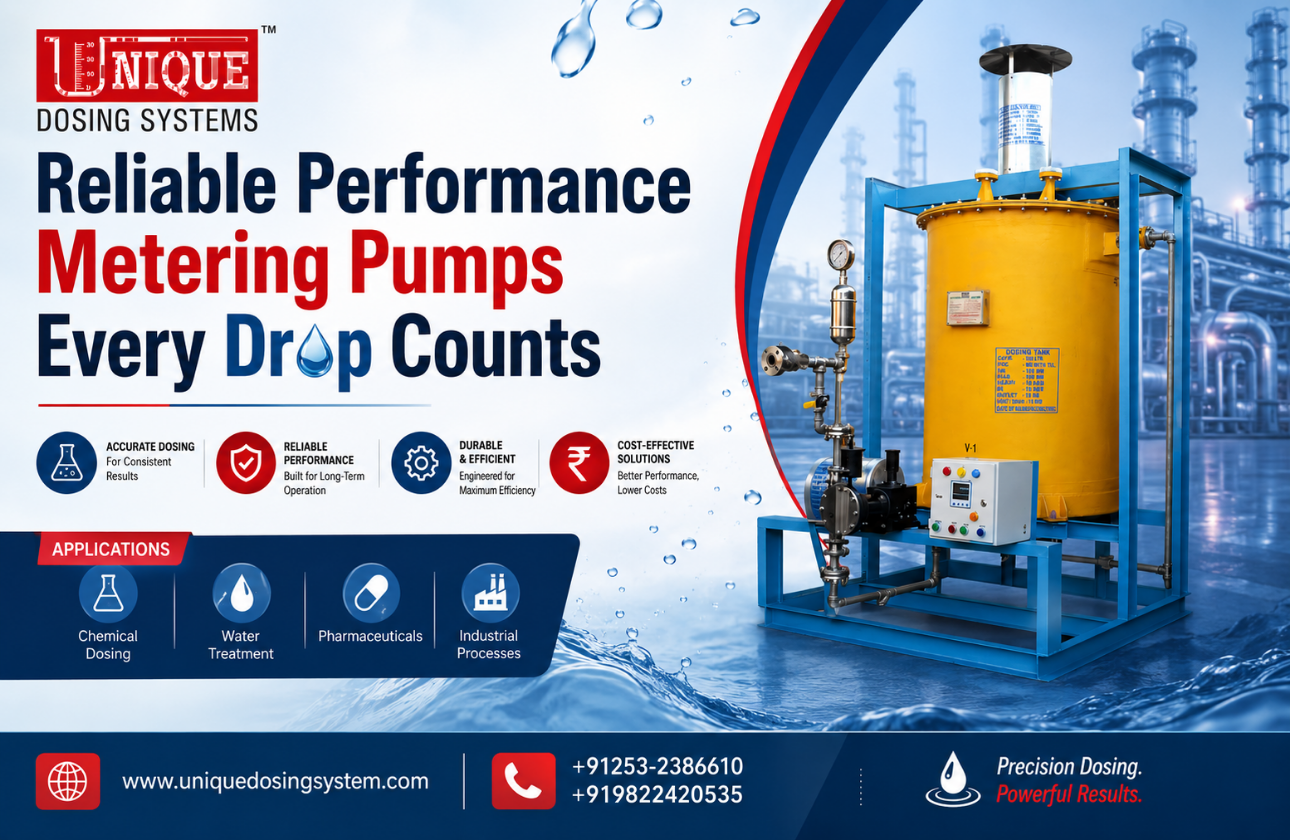
What is a Dosing System?
A dosing system is a crucial setup in fluid management that adds a specific amount of a substance to a fluid. This process is common in industries where precision in mixing or chemical additions is required. The system ensures that materials are combined consistently and accurately, which is vital for quality control. Dosing systems are utilized in water treatment, chemical manufacturing, food production, and more. They guarantee that the exact amount of a chemical is introduced into a system to achieve the desired result. Knowing how these systems work can help enhance operational efficiency and production quality. If you're keen on the basics, here's an introductory guide to dosing systems.
Importance of Dosing Systems
In modern industries, dosing systems play a pivotal role. They ensure that production processes are efficient and outputs are of high quality. For instance, in water treatment, a precise amount of chemicals is needed to purify water without overuse, saving resources and reducing waste. In the food industry, dosing systems allow for the accurate addition of ingredients, ensuring taste consistency and food safety. By providing exact measurements, these systems prevent human errors, decrease waste, and upsurge cost efficiency. With growing technological advancements, dosing systems are becoming smarter, and their capabilities continually enhance the automation of complex processes.
Key Components of a Dosing System
Dosing systems typically include several components. The pump is the heart, ensuring the precise movement of the chemical. Tanks or containers store the chemicals before they’re dispensed. Control systems regulate the dosing process, often using sensors to ensure the correct dose is delivered. Additional elements can include meters, valves, and regulators. Each part must work harmoniously to ensure reliability and accuracy. High-quality material construction ensures durability and reduces the risk of leaks or failures. Understanding each component’s function helps in troubleshooting and maintaining the system.
Types of Dosing Systems
There are several types of dosing systems, each designed for specific applications. Volumetric dosing systems deliver a fixed volume of material and are used in scenarios where precision is key. Gravimetric systems measure the weight of the material being dosed, often used when handling dry materials. There are also liquid dosing systems, which are ideal for chemicals like acids and alkalis. Each type offers different advantages and limitations, and understanding these can help in selecting the most suitable one for your application. For a deeper understanding, refer to detailed information about different dosing systems.
Choosing the Right Dosing System
Choosing an appropriate dosing system involves understanding your specific requirements. Factors such as the nature of the material, the required dosing volume, and the environment of operation should be considered. For instance, highly corrosive chemicals would need a system made from robust materials to ensure longevity. Additionally, maintenance needs, ease of use, and the precision level required are crucial factors. Seeking advice from experts can also provide insight into what system best suits your budget and needs. To aid your decision, exploring insights from top manufacturers can be beneficial. Here's a resource on selecting the right dosing system.
Maintaining Dosing Systems
Regular maintenance of dosing systems is essential to maintain efficiency and prolong life. Periodic checks include evaluating the pump and ensuring the control systems are functioning without errors. It’s also advisable to check for leaks or wear in the system's components. Regular cleaning, especially for systems dealing with sticky or corrosive substances, is vital. Scheduled servicing ensures all components are operating at optimal levels, reducing downtime and prolonging system life. Keeping a maintenance log helps track service history and anticipate foreseeable issues.
Applications of Dosing Systems
Dosing systems are applied across various industries. In water industries, they play a crucial role in treating and purifying water. The chemical industry uses them in processes requiring precise chemical additions. Food production relies on dosing systems for adding ingredients accurately, preserving flavor consistency. In the mining sector, they are vital for processing materials and waste management. Understanding these systems’ versatility can help harness their potential across different sectors, enhancing productivity and quality.
Technological Advancements in Dosing Systems
Technological advancements continuously reshape dosing systems. Smart technologies now enable automated control, enhancing precision and reducing manual intervention. These advancements include sensors that provide real-time feedback, allowing for adjustments as needed. Remote monitoring capabilities mean that operators can manage systems from anywhere, improving response times to issues. Such innovations drive efficiency, helping industries reduce costs while maintaining high standards. To keep up with these changes, learning from knowledgeable sources is vital. You can explore more about the latest innovations here.
Frequently Asked Questions
1. What is the primary function of a dosing system?
Answer: The primary function of a dosing system is to deliver precise amounts of a substance into another material or fluid. This ensures consistent chemical composition or concentration, a crucial factor in maintaining product quality and safety standards across various industries.
2. How does a dosing system differ from a regular pump?
Answer: Unlike regular pumps that might transfer fluids regardless of precision or volume, dosing systems are designed for accuracy. They dispense exact amounts based on controlled metrics and are often regulated through automated systems to ensure the precision of delivery.
3. Can dosing systems handle multiple substances at once?
Answer: Yes, some dosing systems are equipped with the capability to handle multiple substances simultaneously. These multichannel systems are particularly useful in industries requiring intricate formulations, allowing various inputs to be dosed into a mixture, maintaining precise balance.
4. How do I select a dosing system for hazardous chemicals?
Answer: When dealing with hazardous chemicals, it’s crucial to select a system constructed from durable, chemical-resistant materials. Features like enclosed systems, leak detection, and robust control systems are important. Consulting with a specialist can guide you in choosing the appropriate model based on the chemical’s nature.
5. What are the cost factors in installing a dosing system?
Answer: The cost factors include the complexity of the system, materials, and any additional features like automation. Installation and ongoing maintenance costs should also be considered. Investing in a quality system may have higher upfront costs but can result in savings through reduced waste and increased efficiency.