
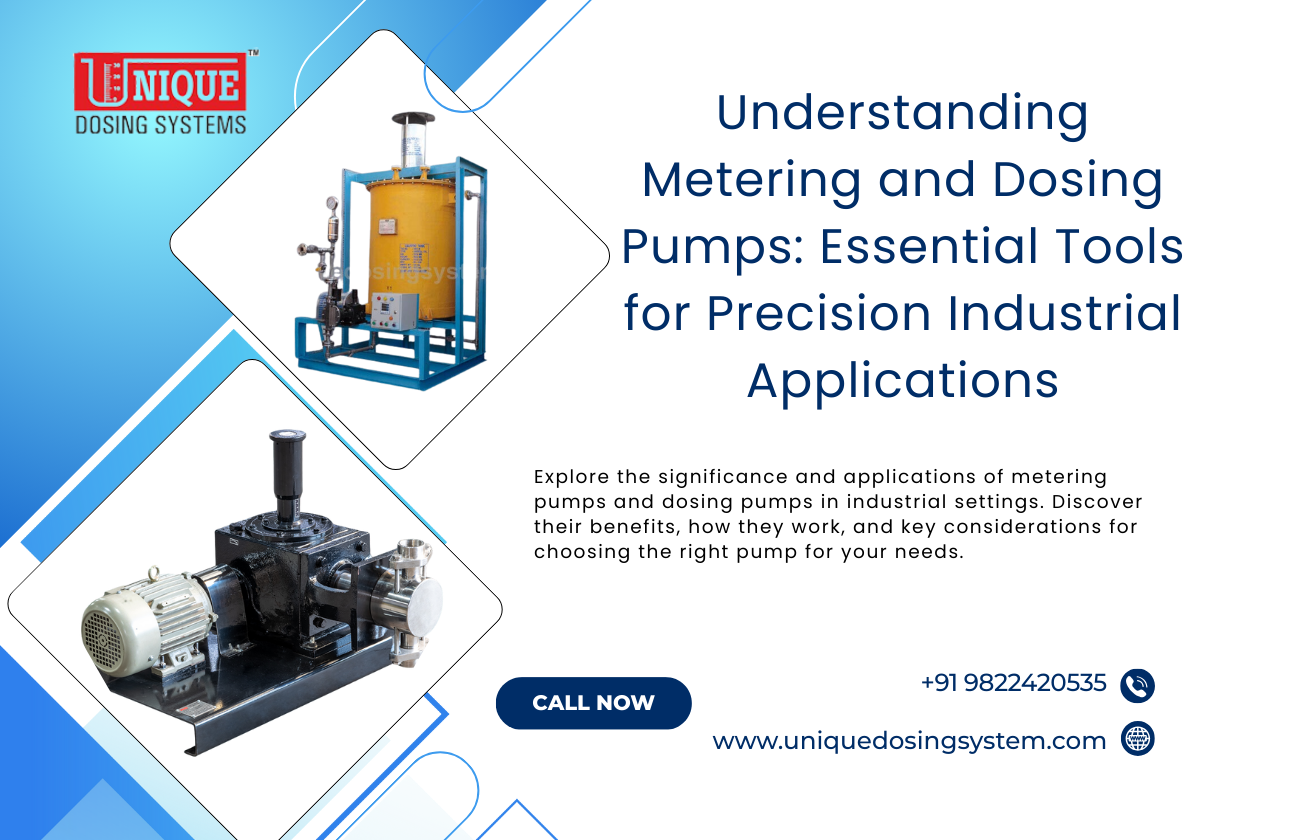
Understanding Metering and Dosing Pumps: Essential Tools for Precision Industrial Applications
In modern industrial operations, the need for precision in fluid management is paramount. Metering pumps and dosing pump play a critical role in achieving this precision, ensuring that fluids are dispensed accurately and consistently. Understanding how these pumps function and their various applications can significantly enhance operational efficiency across industries.
What Are Metering Pumps?
Metering pumps, often referred to interchangeably as dosing pumps, are a type of positive displacement pump designed to move precise volumes of liquid in specified and repeatable time frames. This accuracy is vital in industries where even the smallest deviations can lead to significant quality or regulatory issues.
The unique feature of metering pumps is their ability to be adjusted to change the flow rate as required while maintaining a constant pressure. This makes them ideal for applications that demand high levels of accuracy in fluid delivery, including the chemical, pharmaceutical, and food processing industries.
How Do Metering Pumps Work?
Metering pumps operate through the action of a reciprocating piston or diaphragm. As the engine drives the piston or diaphragm backwards, it creates a suction action, drawing liquid into the pump chamber. As it moves forward, the liquid is pushed out, delivering fluid at a set volume.
This straightforward mechanism allows for precise control over fluid flow, which is often adjustable via electronic, manual, or automatic controls. In advanced models, flow rates and pressures can be controlled remotely, providing critical data and flexibility for modern smart manufacturing environments.
Applications of Metering and Dosing Pumps
The versatility of metering pumps makes them suitable for a variety of applications:
- Chemical Processing: Ensure precise mixing of chemicals in production processes.
- Water Treatment: Used for dispensing chemicals like chlorine, ferric chloride, and other reagents required for water purification.
- Food and Beverage: Accurate dosing of flavors, syrups, and colorants to maintain product quality and consistency.
- Pharmaceuticals: In the manufacture of drugs, metering pumps ensure that precise quantities of active ingredients are administered.
Benefits of Using Metering Pumps
One of the primary benefits of using metering pump is their robust precision and reliability, which is essential for compliance with strict industry standards. Additionally, they help industries reduce wastage of materials and maintain operational efficiency. By enabling precise control over dosing, these pumps can also lead to significant cost savings over time.
Key Considerations When Choosing a Metering Pump
When selecting a metering pump, several factors need to be considered to ensure it meets the needs of your operation:
- Flow Rate: Determine the required volume to ensure the pump can handle your capacity needs.
- Material Compatibility: Ensure the pump materials are compatible with the chemicals being handled to prevent degradation.
- Control Features: Consider whether you need a simple manual pump or one with advanced electronic controls.
- Environment: Take into account the operational environment to choose a pump capable of performing under the required conditions.
In conclusion, understanding the importance and functionality of metering pumps helps businesses maintain high-quality standards and achieve precise operational goals. Careful selection and maintenance of your pump will ensure longevity and efficiency, making it a vital component in industrial settings.