
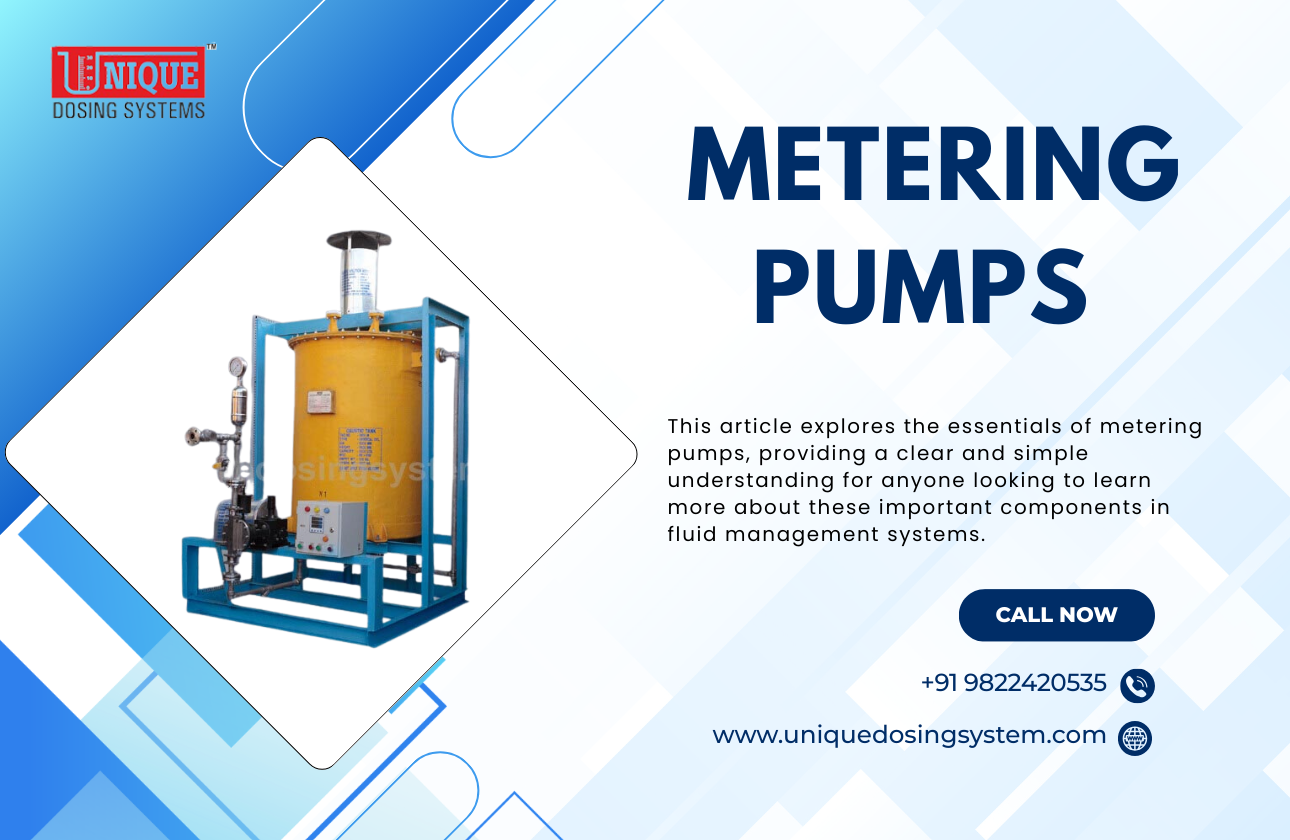
What are Metering Pumps?
Metering pumps are specialized devices used to move precise volumes of liquids in various industrial processes. These pumps are designed to handle a wide range of fluids, including water, chemicals, and other substances that require accurate dosing. What sets them apart is their ability to deliver exact quantities, ensuring consistent results in applications where precision is crucial. Whether in a chemical plant or a water treatment facility, metering pumps play a vital role.
Importance of Metering Pumps
The accuracy of metering pumps is what makes them indispensable in industries that demand strict control over dosing. From pharmaceuticals to food processing, these pumps ensure that the right amount of a substance is delivered at the right time. This precision helps in maintaining product quality, reducing waste, and minimizing costs. With metering pumps like those detailed in the comprehensive guide, operators can tailor their flow rate and manage fluid intake effectively.
Types of Metering Pumps
There are a few different types of metering pumps, each suited for specific applications. Diaphragm pumps, for instance, use a flexible diaphragm to deliver fluids. They are widely used due to their ability to handle aggressive chemicals. Piston pumps, on the other hand, work by using a piston mechanism to create a displacement that moves the fluid. Peristaltic pumps offer another option, using rollers to squeeze the tubing and displace fluid. These choices, detailed in resources like the heart of precision management, help ensure that the correct pump is chosen for each task.
How Metering Pumps Work
The operation of metering pumps involves moving fluid through a system with precision and control. Depending on the type, they might use mechanisms like a diaphragm, piston, or rotary gear to achieve this. These pumps often feature an adjustable stroke length and speed, which allows users to fine-tune the flow rate for specific needs. Through these adjustments, they deliver accuracy to processes that require exact dosing, as outlined in this core guide to precision dosing systems.
Applications of Metering Pumps
Metering pumps are employed in a variety of areas due to their reliability and precision. In water treatment facilities, they are used to dose chemicals designed to purify and sanitize water. The food industry relies on these pumps to add specific flavorings and preservatives. They are crucial in agriculture for the controlled application of fertilizers and pesticides. For more in-depth applications, the importance of dosing systems in industries is a valuable resource to explore their vast uses.
Choosing the Right Metering Pump
Selecting the right metering pump involves considering factors like the nature of the fluid, required flow rate, and system pressure. Durability and material compatibility are also crucial elements as they determine longevity and effectiveness. A detailed guide on how to select and employ these pumps can be found in many industry-focused resources such as the best practices for choosing dosing pumps and systems. Ensuring that these pumps meet specific operational needs is vital to their effective implementation in any setup.
Frequently Asked Questions
1. What industries use metering pumps the most?
Answer: Metering pumps are used in various industries including water treatment, chemical processing, pharmaceuticals, food and beverage, and agriculture. They are valued for their precision in delivering exact fluid measurements.
2. How do metering pumps differ from other pumps?
Answer: Metering pumps are specifically designed to deliver precise amounts of fluid at controlled flow rates, unlike other pumps that may not offer the same level of accuracy or control.
3. What are the maintenance requirements for metering pumps?
Answer: Regular maintenance of metering pumps involves checking for wear and tear, inspecting diaphragms and seals, and ensuring calibration for accurate dosing. Following manufacturer guidelines is crucial for longevity.
4. Are metering pumps efficient with all types of fluids?
Answer: Metering pumps are versatile but it's important to choose the right pump type for specific fluids, especially those that are corrosive or viscous, to prevent damage and ensure efficiency.
5. Can metering pumps handle solid-laden fluids?
Answer: Metering pumps can struggle with fluids containing large solids, but certain design types, like peristaltic pumps, can handle slurries and suspensions better than diaphragm or piston pumps.