
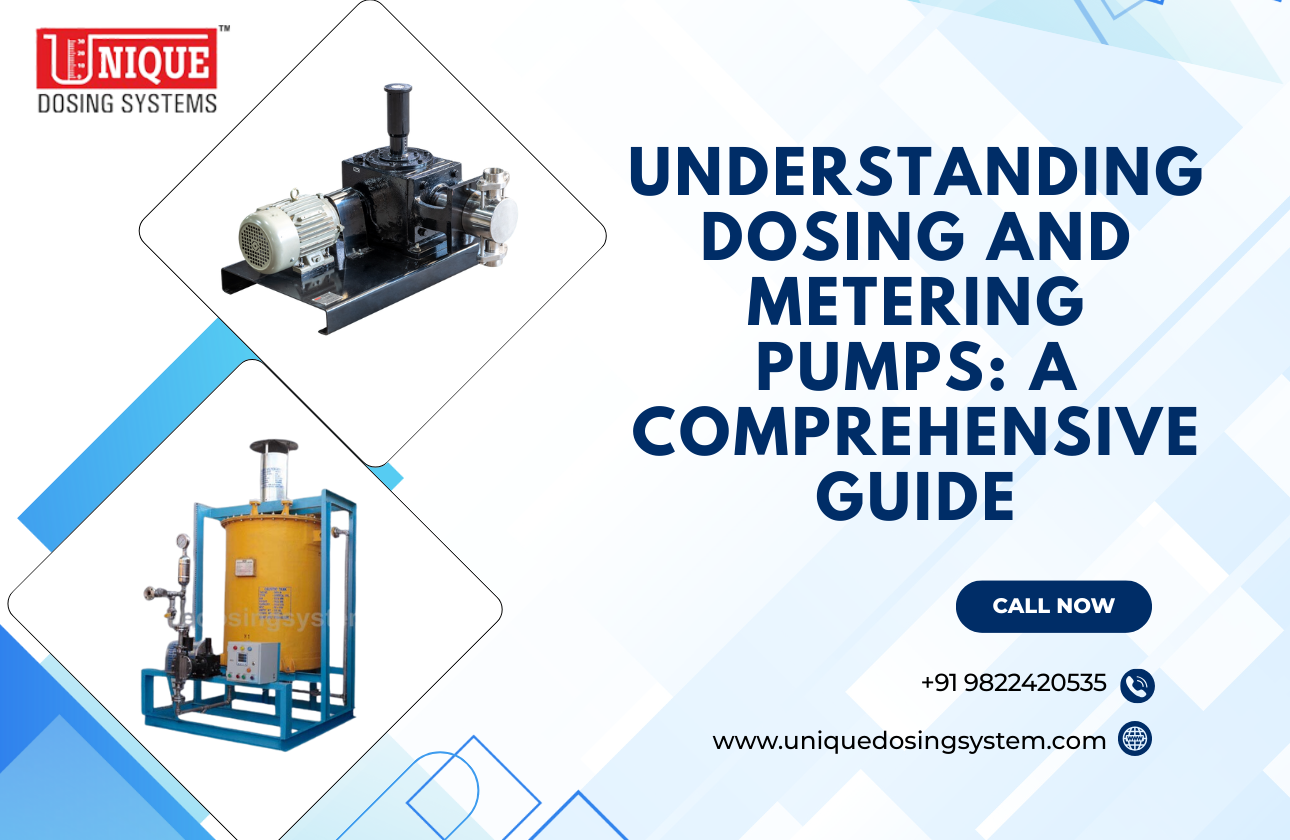
Understanding Dosing and Metering Pumps: A Comprehensive Guide
Dosing pumps and metering pumps are essential components in a variety of industries, providing precise control over the flow of liquids. Whether in water treatment, chemical processing, or pharmaceutical production, these pumps ensure that fluids are delivered in exact quantities, ensuring both efficiency and safety.
What Are Dosing Pumps?
Dosing pumps are specialized devices designed to inject liquids into a processing system with high accuracy. They can handle a wide range of fluids, including abrasive and corrosive chemicals, making them ideal for industrial applications. Dosing pumps are typically used to add chemicals such as chlorine, acids, or bases to a system with precise control, preventing any disruption in the process.
The Functionality of Metering Pumps
Metering pumps are a type of positive displacement pump that offers precise volumetric flow control. These pumps are characterized by their ability to deliver a set volume of liquid in a specified time frame. This capability is vital in processes where exact amounts of a liquid are required, such as in water treatment plants, where maintaining specific chemical levels is crucial for system balance and safety.
Applications of Dosing and Metering Pumps
The versatility of dosing and metering pumps extends to various sectors. In the industrial sector, they are used in:
- Water Treatment: These pumps help maintain the necessary chemical balance for safe and clean water.
- Food and Beverage Processing: Precise dosing of flavoring agents and preservatives enhances product consistency.
- Pharmaceuticals: Metering pumps are essential for precise chemical dosing during drug manufacturing processes.
- Chemical Industry: Safe handling and precise dosing of corrosive liquids ensure efficient and safe chemical reactions.
Choosing the Right Pump for Your Application
Selecting the right dosing or metering pump involves considering several factors:
- Fluid Characteristics: Chemical compatibility, viscosity, and temperature should be considered to prevent material degradation and ensure efficient operation.
- Flow Rate Requirements: Determine the required flow rate and adjustability range to match process demands.
- Pressure Conditions: Evaluate system pressure to ensure the dosing pump can handle the intended application without failure.
- Compliance and Safety Standards: Choose pumps that adhere to industry regulations to ensure safe and compliant operation.
Conclusion
Dosing and metering pumps are indispensable tools that enhance precision and efficiency across major industries. Understanding the unique requirements of your process and the available pump types can drastically improve operational outcomes. Whether you are focused on enhancing process control, ensuring safety, or reducing costs, these dosing pump represent a critical investment in your industrial infrastructure.
By staying informed about the latest advancements and properly maintaining your equipment, you can ensure optimal performance and extend the lifespan of your dosing and metering systems.