
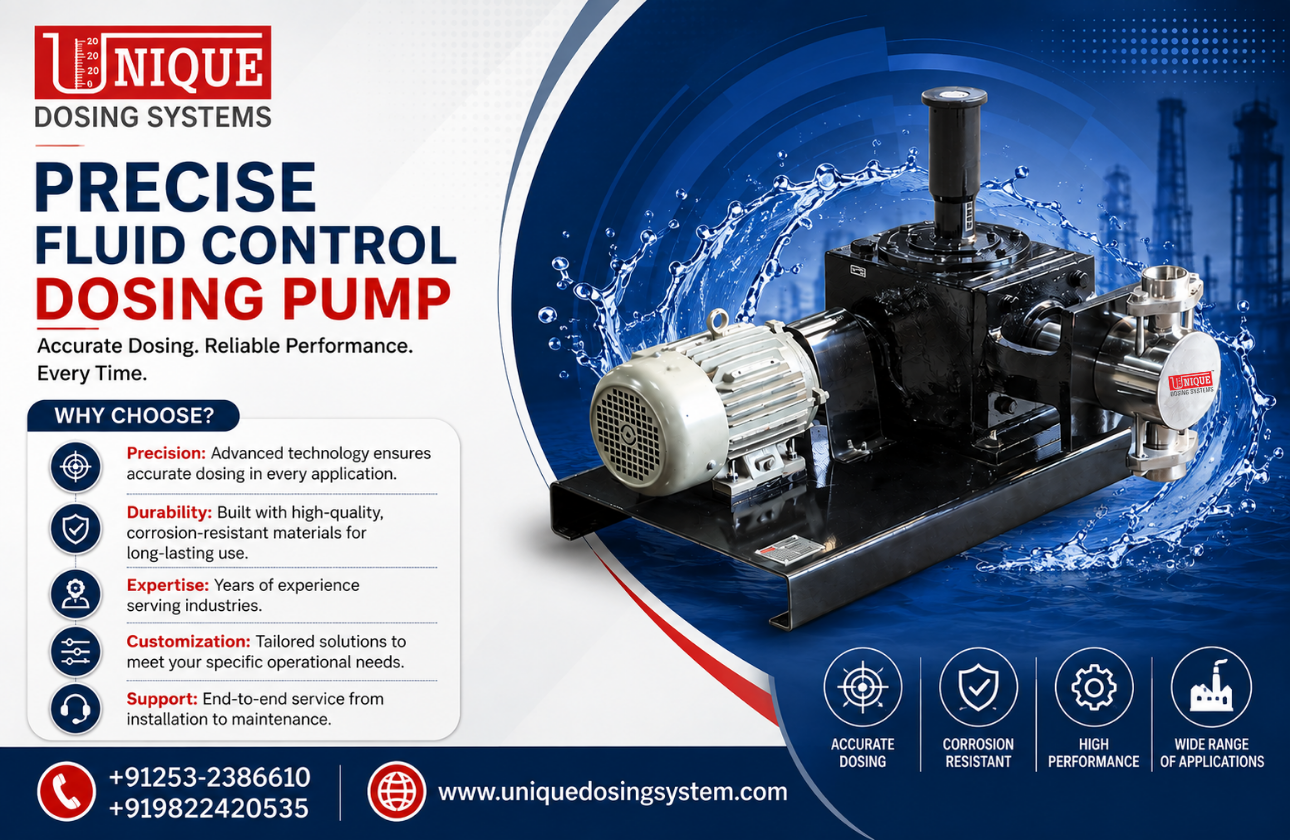
The Basics of Metering Pumps
Metering pumps might sound like a complex term, but they're simple machines at heart. These pumps are designed to move precise amounts of liquid with each stroke or cycle. You'll find them in many industries, from food production to pharmaceuticals, because of their ability to handle everything from water to chemicals. They're crucial wherever precise dosing is required. A metering pump works by a displacement mechanism, like a piston or diaphragm, which pushes fluid into the system. What makes them stand out is the way they deliver liquids in controlled and varied amounts, which can be adjusted based on the needs of the application. This precision is essential for processes that require exact measurements, ensuring consistent results every time.
Types of Metering Pumps
There are various types of metering pumps, each designed for specific tasks. The most common are diaphragm and piston pumps. Diaphragm pumps use a flexible membrane to move fluid, making them ideal for handling corrosive or abrasive chemicals without wear and tear on the pump. They offer tight containment of the fluid, preventing leaks, which is crucial in industries like pharmaceuticals and food.
Piston pumps, on the other hand, use a plunger mechanism to push fluids through the system. These pumps are known for their ability to deliver high pressures, a feature that makes them suitable for applications needing precise fluid delivery under demanding conditions. Though they are robust, they usually require regular maintenance to ensure long-term reliability. By understanding the types of metering pumps, you can make informed decisions about which is best suited for your needs.
Applications of Metering Pumps
Metering pumps serve a wide range of applications across various industries. In water treatment facilities, they are used to inject precise amounts of chemicals needed to purify and treat water. This accuracy ensures the safety and quality of water for public use. In the field of oil and gas, metering pumps are essential for injecting chemicals into pipelines, which helps in preventing corrosion and managing the pH levels of the fluid.
Additionally, the food and beverage industry relies on these pumps to deliver flavors and additives in exact amounts, maintaining consistent taste and quality. Similarly, in pharmaceuticals, metering pumps ensure that active ingredients are mixed in precise dosages, critical for patient safety. Understanding these applications highlights the importance of metering pumps in everyday processes, ensuring precision and efficiency in fluid management.
Benefits of Using Metering Pumps
The benefits of using metering pumps are vast and impactful. One of the primary advantages is their precision in delivering exact fluid amounts, reducing waste and minimizing the risk of errors in sensitive applications. This is particularly important in industries where even a slight deviation in fluid quantity can lead to significant consequences, such as in chemical dosing or pharmaceutical production.
Metering pumps are also known for their flexibility. They can handle a variety of fluids, from highly viscous materials to thin, watery liquids, making them versatile for different industrial needs. Furthermore, because they can operate at high pressures, they deliver fluids to places that other pumping systems might not reach. By using high-quality metering pumps, companies can enhance operational efficiency and ensure reliable performance in diverse scenarios.
Types of Control in Metering Pumps
Metering pumps can be controlled in multiple ways, allowing them to meet specific operational needs. The two primary types of control are manual and automatic. Manual control involves adjusting the pump's settings by hand, which is suitable for stable conditions where fluid requirements don't frequently change. This method is straightforward and cost-effective, yet might lack the flexibility required for dynamic systems.
Automatic control offers a more sophisticated option. Through sensors and feedback loops, the pump can automatically adjust its rate and volume based on real-time conditions. This technology is invaluable in complex systems needing constant adjustments to maintain optimal performance. Moreover, advanced metering pumps come with programmable features, enabling precise scheduling and monitoring of fluid delivery. For an in-depth understanding of control methods, you can refer to this comprehensive guide.
Challenges in Using Metering Pumps
While metering pumps are incredibly useful, they are not without challenges. Regular maintenance is crucial since their mechanical components are prone to wear and tear. This can lead to leaks or breakdowns if not addressed promptly. Routine checks and timely replacements of parts ensure that the pumps continue to function effectively without interruptions. Moreover, metering pumps can also face issues related to contamination and clogging, especially when used with fluids that have particles or are prone to forming deposits.
Environmental factors, like temperature and pressure fluctuations, can also impact the performance of these pumps. It's important to choose a pump that matches the specific requirements of your application. To understand these challenges better, you might find comprehensive insights into metering pumps helpful.
Maintaining Your Metering Pumps
Proper maintenance of metering pumps is essential to extend their lifespan and ensure consistent performance. Regular inspections are key to identifying issues early before they escalate into costly repairs. It's advisable to follow a routine maintenance schedule that includes checking the pump's mechanical components, such as seals and valves, and ensuring they are in good condition. Cleaning is also vital to prevent the build-up of deposits that can clog the system.
Additionally, keeping an eye on the pump's calibration ensures it continues to deliver accurate fluid amounts. Any discrepancies in dosing can result in process inefficiencies or product quality issues. By adhering to maintenance best practices, you can keep your metering pumps running smoothly and efficiently for years. More detailed guidance on pump maintenance can be found in this useful resource.
Frequently Asked Questions
1. What is the main purpose of metering pumps?
Answer: Metering pumps are designed to move precise amounts of liquid, ensuring control over the dosing process. They're used in various industries, from water treatment to pharmaceuticals, because they ensure accurate fluid delivery where precision is crucial.
2. How do diaphragm and piston pumps differ?
Answer: Diaphragm pumps use a flexible membrane to move fluids, making them good for corrosive or delicate chemicals. Piston pumps, however, use a plunger mechanism to handle high pressures, suitable for tough conditions or fluids requiring significant force to move.
3. What industries most commonly use metering pumps?
Answer: Metering pumps are widely used in industries like water treatment, food and beverage, oil and gas, and pharmaceuticals. They offer precise control over fluid delivery, critical for maintaining safety, quality, and efficiency in these fields.
4. What challenges might one face with metering pumps?
Answer: Challenges include mechanical wear and tear, potential for leaks, contamination risks, and clogging from particulate matter. Environmental factors such as temperature and pressure changes also pose challenges, affecting pump performance.
5. Why is maintenance important for metering pumps?
Answer: Regular maintenance helps identify potential problems early, prevents major breakdowns, and extends the equipment's lifetime. Maintenance ensures pumps operate efficiently and continue to deliver precise fluid amounts, which is vital for maintaining process integrity.