
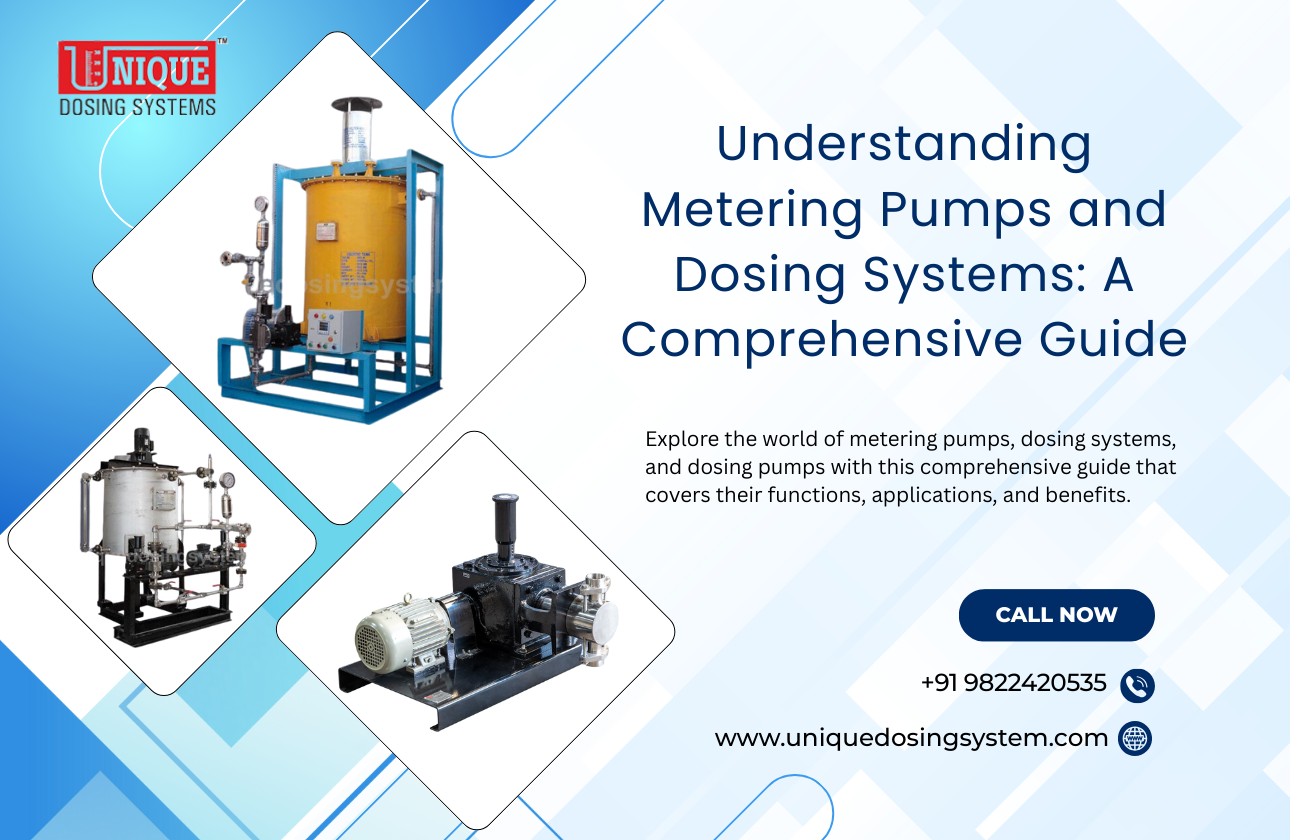
Understanding Metering Pumps and Dosing Systems: A Comprehensive Guide
In the industrial and chemical sectors, precision and accuracy in liquid handling are paramount. This is where metering pumps and dosing systems come into play. These devices ensure that fluids are delivered at precise rates over specific periods, making them essential tools in numerous applications. In this guide, we delve into the intricacies of metering pumps, dosing systems, and dosing pumps, shedding light on their functions and benefits.
What are Metering Pumps?
Metering pumps, also known as dosing pumps, are devices designed to deliver liquids at precise volumetric flow rates. These pumps allow for adjustable and repetitive dosing of chemicals, ensuring accurate and consistent delivery. They are critical in industries where precise fluid metering is essential, such as in chemical manufacturing, water treatment, and food processing.
Types of Metering Pumps
- Diaphragm Pumps: Utilize a diaphragm to control the pumping action, ensuring no leakage and maintaining precise fluid control.
- Peristaltic Pumps: Employ a rotor to move fluid through a flexible tube, ideal for handling corrosive or viscous fluids.
- Piston Pumps: Use a piston mechanism to achieve higher pressure capabilities, suitable for critical dosing applications.
Dosing Systems and Their Importance
Dosing systems integrate various components to ensure the seamless delivery of chemicals into a system. These systems typically involve metering pumps, control units, and other handling components to accurately deliver liquids in industrial processes. They are crucial in ensuring that each dose is delivered reliably and consistently, thus preventing errors in production processes.
Applications of Dosing Systems
- Water Treatment: Dosing systems add disinfectants and adjust pH levels to maintain water quality.
- Food and Beverage: Used in ingredient additions to ensure flavor consistency and safety.
- Pharmaceutical: Deliver precise quantities of active ingredients or additives.
Benefits of Using Dosing Pumps and Systems
The advantages of using metering pumps and dosing systems are manifold. These include:
- Accuracy and Precision: Ensures the correct amount of fluid is delivered consistently.
- Cost-Effectiveness: Reduces waste and minimizes the cost associated with overuse or spillage of costly chemicals.
- Automation: Dosing pumps can be automated to improve efficiency and reduce manual labor.
- Versatility: Suitable for a wide range of applications from industrial to residential use.
Conclusion
Investing in high-quality metering pumps and dosing systems is a strategic decision for industries that rely on precise liquid handling. By understanding the functionalities and applications of these devices, businesses can improve their operational efficiency and reduce costs associated with material waste and error correction. Whether you are operating in the chemical, water treatment, or food industry, these tools are invaluable for maintaining production quality and consistency.
For more information on choosing the righ dosing pump for your needs, contact industry experts who can guide you through a tailored selection process.