
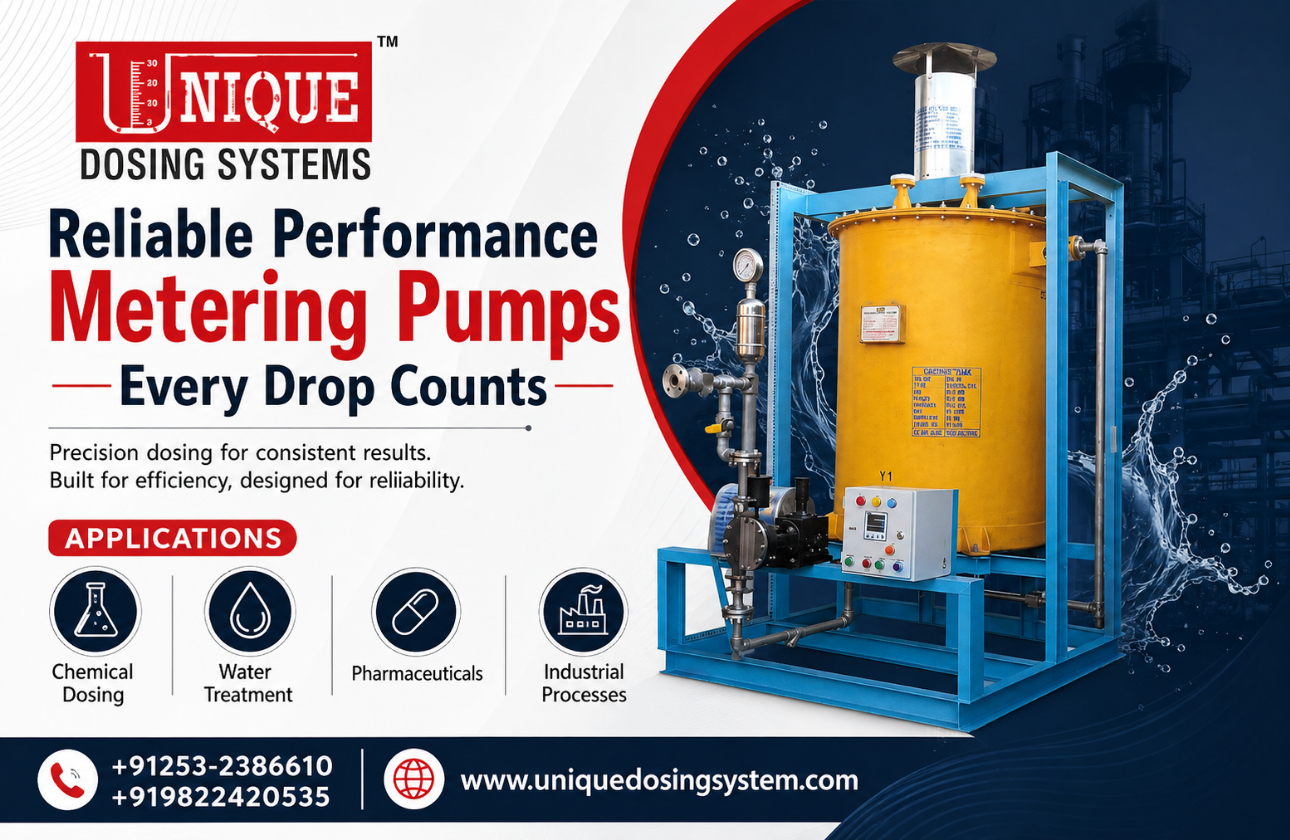
Introduction to Metering Pumps
Metering pumps are vital components in many industries that require precise and controlled fluid handling. These pumps are designed to move fluids at precise flow rates over specific periods, which makes them ideal for tasks like dosing chemicals, additives, and other critical substances in manufacturing processes. What sets metering pumps apart from other types of pumps is their ability to deliver accuracy and repeatability, crucial for processes that depend on exact measurements. When implemented correctly, metering pumps help ensure consistent quality and safety, whether in pharmaceuticals, food processing, or water treatment facilities.
The Functionality of Metering Pumps
At their core, metering pumps operate by capturing a specific amount of fluid in a chamber, then moving it into a discharge line at controlled rates. Most metering pumps use a reciprocating motion, either through diaphragms, pistons, or plungers, to achieve this process. Diaphragm metering pumps, for example, use a flexible membrane to create the pumping action, allowing for chemical resistance and minimal leakage. Their design can be either mechanically or hydraulically actuated for added control. The ability to adjust flow rates manually or automatically ensures flexibility in operation, critical for adapting to different industrial needs.
Applications Across Industries
The versatility of metering pumps makes them indispensable across various sectors. In the chemical industry, they are used for injecting precise amounts of chemicals, which is crucial for both process efficiency and safety. In the water treatment sector, metering pumps add exact quantities of treatments, such as chlorine or fluoride, ensuring that water supplies remain safe and clean. Similarly, in the food industry, they handle flavors and additives to maintain product consistency. The pharmaceutical industry relies on these pumps for accurate mixing of drug ingredients, ensuring therapeutic efficacy. By facilitating precise fluid management, metering pumps enhance the quality and safety of the final product across different field applications.
Advantages of Using Metering Pumps
Muh of the value of metering pumps comes from their precision. Accurate dosing minimizes waste and ensures resources are used efficiently. This precision leads to cost savings, which can be significant when dealing with expensive chemicals or medications. Furthermore, metering pumps are built to withstand harsh operating conditions, making them durable and reliable. Their versatility makes them suitable for handling different types of fluids, be it viscous, corrosive, or sensitive to contamination. The robust nature of metering pumps reduces downtime, resulting in higher productivity levels. Through optimized fluid handling, businesses can achieve better operational outcomes, boosting their competitive edge.
Types of Metering Pumps
Metering pumps come in several types, each designed with specific operational features: diaphragm pumps, piston pumps, peristaltic pumps, and plunger pumps. Diaphragm pumps are widely used due to their ability to handle corrosive chemicals without leaking. Piston pumps deliver high pressure flows, suitable for applications requiring forceful dosing, such as in high-strength chemical applications. Peristaltic pumps are gentle on the fluid, making them ideal for shear-sensitive materials. Plunger pumps are reliable for high-pressure tasks and often used in industrial cleaning systems. Choosing the right type depends on the specific requirements of the application like fluid properties, required flow rates, and environment factors.
Choosing the Right Metering Pump
When selecting a metering pump, several factors need consideration to ensure optimal performance. Consider the chemical compatibility between the pump components and the fluid to avoid damage or contamination. The flow rate is critical and should match your requirements to prevent under or overdosing. Pressure requirements of the system should align with the pump's capabilities to maintain efficiency and longevity. Additionally, evaluating operational ease and the available control features like electronic or manual adjustments is essential for seamless integration into your existing systems. Expert advice from suppliers can also guide on finding a pump that fits specific industry needs and operational contexts.
Maintaining Metering Pumps
Proper maintenance extends the life and efficiency of metering pumps. Regular inspections help identify potential wear and tear, especially on seals and diaphragms that may degrade over time. Cleaning the pump components and ensuring all connections are tight prevents leaks and maintains performance. It's important to follow the manufacturer's guidelines on maintenance schedules and servicing. Recording any issues and how they were resolved also helps in understanding long-term patterns that could impact the pump's operational life. This proactive approach minimizes unexpected breakdowns and ensures smooth, uninterrupted operation in your industrial processes.
Technological Advancements in Metering Pumps
Recent advancements have greatly enhanced the functionalities of metering pumps, integrating technology for improved precision and efficiency. Smart pumps equipped with IoT connectivity enable real-time monitoring and control from remote locations. This advanced connectivity allows operators to access performance data, adjust settings instantly, and preemptively address issues before they impact operations. Automated systems equipped with sensors ensure accurate dosing without constant human supervision. These innovations streamline processes, reduce resource consumption, and elevate safety standards across industries.
Environmental Impact of Metering Pumps
Metering pumps contribute positively to environmental sustainability by enhancing resource efficiency. By ensuring precise dosing of chemicals, they significantly reduce waste and prevent the overuse of potentially harmful substances. This precise control limits environmental pollution, making metering pumps allies in eco-friendly industrial operations. In conjunction with sustainable practices, metering pumps help industries meet regulatory standards for emissions and waste management. This balance between industrial efficiency and environmental responsibility emphasizes their role as essential tools in modern sustainable practices.
Frequently Asked Questions
1. What are metering pumps mainly used for?
Answer: Metering pumps are primarily used in industries that require accurate and consistent dosing of fluids. They are widely used in water treatment for precise chemical dosing, in the chemical industry for injecting reactants, and in the pharmaceutical sector for delivering exact amounts of drug ingredients.
2. How do I choose the right metering pump?
Answer: To select the appropriate metering pump, consider factors like the compatibility of the pump with the fluid, required flow rate, pressure needs, and the ease of operation. Consulting with experts and suppliers can also help tailor the choice to your specific industry needs.
3. What maintenance is required for metering pumps?
Answer: Regular maintenance of metering pumps includes checking for wear and tear on seals and diaphragms, cleaning components, and ensuring connections are secure. Following the manufacturer's maintenance guidelines helps keep the pump in good working order and prolongs its lifespan.
4. How have technological advancements impacted metering pumps?
Answer: Advances in technology have revolutionized metering pumps by incorporating IoT and smart connectivity, enabling real-time monitoring and remote control. This allows for more precise dosing, operational efficiency, and quick response to potential issues.
5. Why are metering pumps considered environmentally friendly?
Answer: Metering pumps help reduce waste and limit the use of chemicals, contributing to environmentally-friendly practices. By ensuring accurate chemical dosing, they help prevent resource overconsumption and minimize environmental pollution, aligning with sustainable industry goals.