
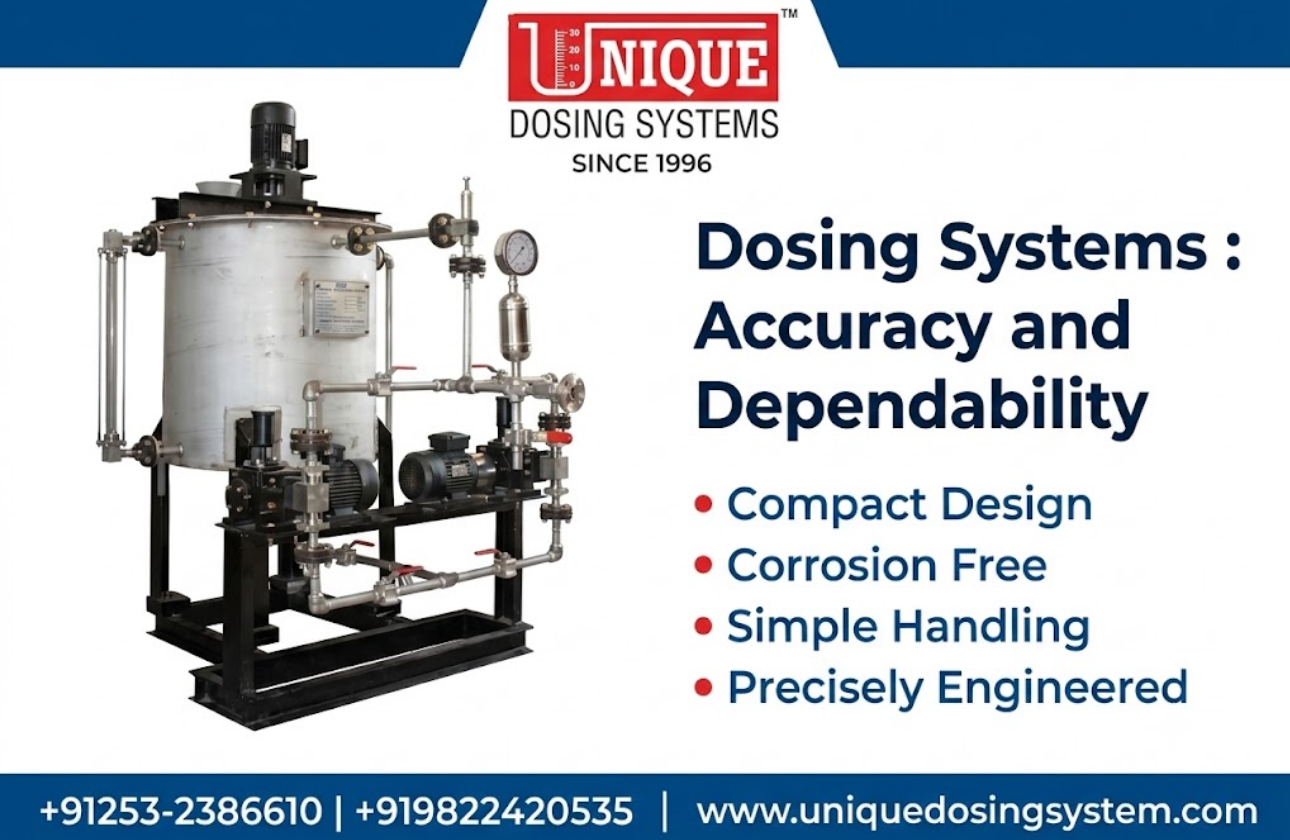
An Introduction to Metering Pumps
Ever wondered how industries manage to consistently deliver precise amounts of liquids in their processes? The secret often lies in metering pumps. A metering pump is a device designed to move a precise volume of liquid. Over the years, metering pumps have become a cornerstone in processes where precision is crucial, ensuring that industries ranging from chemical manufacturing to water treatment operate smoothly. The hike in adoption of these pumps is largely due to their ability to handle diverse fluid characteristics while maintaining high accuracy. Beyond this, they offer easy adjustability, allowing modifications to flow rates according to process needs. If you're new to metering pumps, you're in the right place to unravel their importance and functionality.
How Do Metering Pumps Work?
Understanding the functionality of metering pumps can be enlightening. These pumps work on the principle of moving liquids at a consistent and controlled flow rate. Typically, a proper metering pump can handle both viscous and non-viscous fluids. The mechanism usually involves a piston or diaphragm, which reciprocates, creating a vacuum. This vacuum helps draw the fluid into the chamber, which upon the next cycle, pushes the fluid out. In essence, it's the regulated movement of the piston or diaphragm that ensures the exact amount of liquid is directed to the desired location. Given this mechanism, metering pumps find their place across applications requiring high precision and reliability – whether it’s dosing chemicals or managing cleansers in food processing.
Key Features of Metering Pumps
Let’s break down what makes a metering pump so effective. A standout feature is their ability to modify flow rates without stopping the pump. This adaptability makes them ideal in dynamic environments where flow needs might change rapidly. Another important characteristic is their capability to pump high viscosity fluids, including those with solid particles. Moreover, the pumps are renowned for their accuracy; they consistently maintain a margin of error as low as ±1 percent. This precision is vital in industries such as pharmaceuticals, where even a small dosage variation can significantly impact outcomes. Additionally, they come with a variety of material options, ensuring compatibility with the fluid's chemical properties, which is a fundamental consideration ensuring longevity and functionality.
Types of Metering Pumps
Diversity in application requires diversity in design, which is why metering pumps come in various types. The most common types include diaphragm pumps, piston pumps, and peristaltic pumps. Diaphragm pumps are especially popular due to their ability to handle corrosive chemicals without the risk of leakage, thanks to their hermetically sealed diaphragm. Piston pumps, renowned for their hydraulic drive, are excellent for high pressure applications. Meanwhile, peristaltic pumps draw fluids by mechanizing a roller over a flexible tube – making them perfect for handling shear-sensitive fluids. Each type of pump brings a unique set of benefits tailored to meet specific industrial needs, thus aiding in process optimization.
Applications of Metering Pumps
Perhaps the most versatile and crucially reliable, metering pumps are employed across countless applications. In the water treatment industry, they play a pivotal role in introducing chemicals during the water purification process. Similarly, pharmaceutical industries rely on metering pumps for precision drug formulation, ensuring each component is added accurately. Additionally, metering pumps are fundamental in food and beverage production, where precise flavoring and coloring agents must be dosed. Another primary application includes their use in oil & gas industries to inject chemicals that prevent corrosion and scaling in pipelines. Their application seems endless, given their unrivaled precision and adaptability to different liquids and operating surroundings.
Advantages of Using Metering Pumps
The popularity of metering pumps isn’t solely limited to their functionality; they offer tangible advantages. Primarily, they ensure exact dosing of chemicals and ingredients, leading to consistent product quality. Furthermore, their ability to adjust flow rates on the go minimizes wastage and optimizes process efficiency. Metering pumps also boast of remarkable durability, maintaining high performance standards over extended periods. They offer easy maintenance, which reduces downtime. Finally, the automation capability of modern metering pumps allows industries to integrate them into larger system controls for enhanced operational efficiency. It is this unique blend of reliability, efficiency, and adaptability that underpins their widespread use.
Challenges and Considerations
While metering pumps are incredibly useful, certain considerations need to be acknowledged to leverage their full potential. First, selecting the right type of metering pump is crucial, and often depends on the nature of the fluid, required flow rate, and pressure needs. Moreover, ensuring the pump's materials are compatible with the chemical properties of the fluid prolongs the pump’s lifespan. Regular calibration and maintenance are other vital aspects, ensuring accuracy and performance consistency. While challenges may arise, thorough understanding and strategic management can result in efficient, long-lasting pump operations.
Future of Metering Pumps
With advancing technology comes the evolution of metering pumps. As industries look to improve precision and efficiency, modern metering pumps are increasingly integrating smart technologies. This includes connectivity features that allow for remote monitoring and control, ultimately leading to predictive maintenance and better resource management. Moreover, as sustainability becomes a core operational philosophy, efforts to improve energy efficiency and reduce carbon footprints are shaping the future designs of metering pumps. With these advancements, metering pumps are expected to remain at the forefront of fluid management solutions in the coming years.
Frequently Asked Questions
1. What is a metering pump?
Answer: A metering pump is designed to move precise volumes of liquid during a specified time frame, ensuring highly accurate process control. They are used in various applications ranging from chemical injection to water treatment.
2. How does a metering pump ensure accuracy?
Answer: Metering pumps achieve accuracy through controlled mechanisms, often involving a piston or diaphragm movement which is adjustable in terms of stroke length and frequency, ensuring exact dosing of the liquid.
3. What are common types of metering pumps?
Answer: The main types of metering pumps include diaphragm pumps, piston pumps, and peristaltic pumps. Each serves different industrial needs based on fluid characteristics and pressure requirements.
4. Can metering pumps handle viscous fluids?
Answer: Yes, metering pumps are highly versatile and can handle a wide range of fluid viscosities, including those with solid particles, effectively adapting to varying industrial environments.
5. What are modern advancements in metering pumps?
Answer: Modern metering pumps feature digital controls for enhanced precision, remote monitoring capabilities, and components designed to improve energy efficiency and sustainability, parallel to advancements in industrial technologies.