
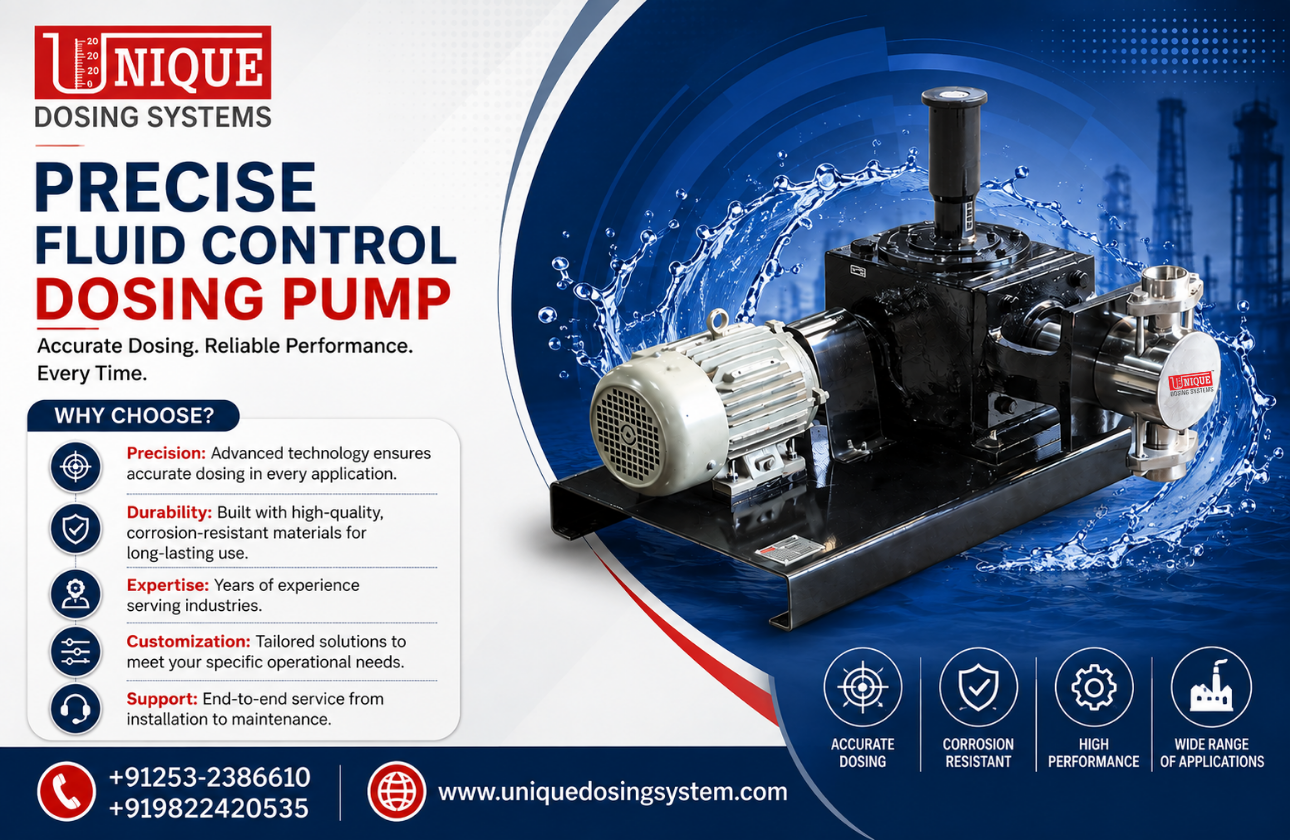
What is a Metering Pump?
A metering pump is a device used to move precise volumes of a fluid, typically liquid, into a system or process. They are crucial in settings where controlling the exact amount of fluid is essential, such as in chemical processing, pharmaceuticals, and water treatment. The ability to regulate flow accurately makes these pumps vital for processes that require exact dosing and proportional consistency. The design of metering pumps allows them to deliver fluids at various capacities and pressures, making them versatile tools in diverse industries.
Components of a Metering Pump
The typical metering pump consists of three main components: the pump head, a drive mechanism, and a control system. The pump head includes features like valves and diaphragms which help control the fluid's intake and output precisely. The drive mechanism generally comprises a motor that propels the pump head, translating the energy into fluid movement. Meanwhile, the control system, often digital or electronic, ensures the pump operates within the desired parameters, adjusting the flow rate and pressure as needed. This structure supports the pump's function and precision, making it indispensable in critical applications.
Applications of Metering Pumps
Metering pumps play a crucial role in various industries by providing accurate dosing of chemicals and liquids. In the chemical industry, they manage the exact mix of substances needed for processing. In water treatment, they dose disinfectants like chlorine to ensure safety and purity. The pharmaceutical fields rely on these pumps to blend medications precisely. Their ability to handle hazardous chemicals safely also makes them ideal in oil and gas applications, showcasing their versatility and reliability.
Advantages of Using Metering Pumps
The primary advantage of metering pumps is their precision and accuracy. Their ability to provide exact fluid dosing reduces waste and maximizes efficiency. This precision is crucial in cost-sensitive processes where waste can lead to increased operational costs. Additionally, these pumps are generally easy to configure and maintain, providing durability and reliability. Their design, which supports both low and high fluid volumes, enhances their adaptability to different applications, making them a preferred choice across industries. Moreover, their safe handling of toxic or reactive chemicals ensures user safety and environmental protection.
Technological Advancements in Metering Pumps
Technology has significantly influenced the evolution of metering pumps. Modern metering pumps now feature advanced electronic controls that allow for precise adjustments and automation. These enhancements facilitate better flow control, create user-friendly interfaces, and improve reliability. Internet of Things (IoT) integration has introduced remote monitoring and diagnostics, which help in managing operations more efficiently. These pumps are now more energy-efficient, reducing operational costs while improving performance. Such technological advancements continue to push the boundaries of what metering pumps can achieve, further enhancing their role in industries.
Factors to Consider When Choosing Metering Pumps
When selecting a metering pump, consider the type of fluid to be handled, as this determines the pump material suitable for corrosive or viscous substances. The required flow rate and pressure also dictate the pump's capacity. It's crucial to ensure the pump's compatibility with the system's needs and its ability to withstand the operating environment's conditions, such as temperature and pressure. Ease of maintenance and availability of spare parts are also vital, ensuring longevity and sustained performance. Ultimately, the chosen pump should align with both the operational needs and budget constraints.
Maintenance and Troubleshooting of Metering Pumps
Regular maintenance of metering pumps is essential to ensure their longevity and efficiency. Routine checks include inspecting the valves, diaphragms, and seals for wear and replacing them as needed. It's also important to verify that the drive mechanisms are functioning correctly and that control systems are calibrated to desired settings. Troubleshooting common issues like leaks or inconsistent flow often involves examining these components closely. By maintaining a regular schedule of checks and balances, costly repairs and downtime can be minimized, ensuring reliable operation over time.
Frequently Asked Questions
1. What types of metering pumps are available?
Answer: There are various types of metering pumps, including diaphragm, piston, and peristaltic pumps, each suited to specific applications and fluid types. Diaphragm pumps are popular for their ability to handle corrosive or abrasive fluids, piston pumps provide high pressure, and peristaltic pumps excel in gentle and hygienic liquid handling.
2. How does a metering pump differ from a standard pump?
Answer: Unlike standard pumps that provide a continuous flow, metering pumps are designed for precision, offering controlled and repeatable dosing of fluids. This makes them ideal for exact dosing tasks in various industrial processes.
3. Are metering pumps difficult to install and operate?
Answer: Metering pumps are generally user-friendly, with many models featuring intuitive controls and configurations. Installation requirements are usually straightforward, making them accessible for both experienced technicians and new users.
4. Can metering pumps handle all fluid types?
Answer: Metering pumps are versatile but selecting the correct type for a specific fluid type (e.g., corrosive, viscous) is vital. Ensuring compatibility with the fluid's chemical properties will maximize the pump's effectiveness and lifespan.
5. Why is maintenance important for metering pumps?
Answer: Regular maintenance prevents breakdowns and extends the pump’s lifespan. It involves routine checks for wear and tear, ensuring components function correctly, which helps prevent costly repairs and maintains operational efficiency.