
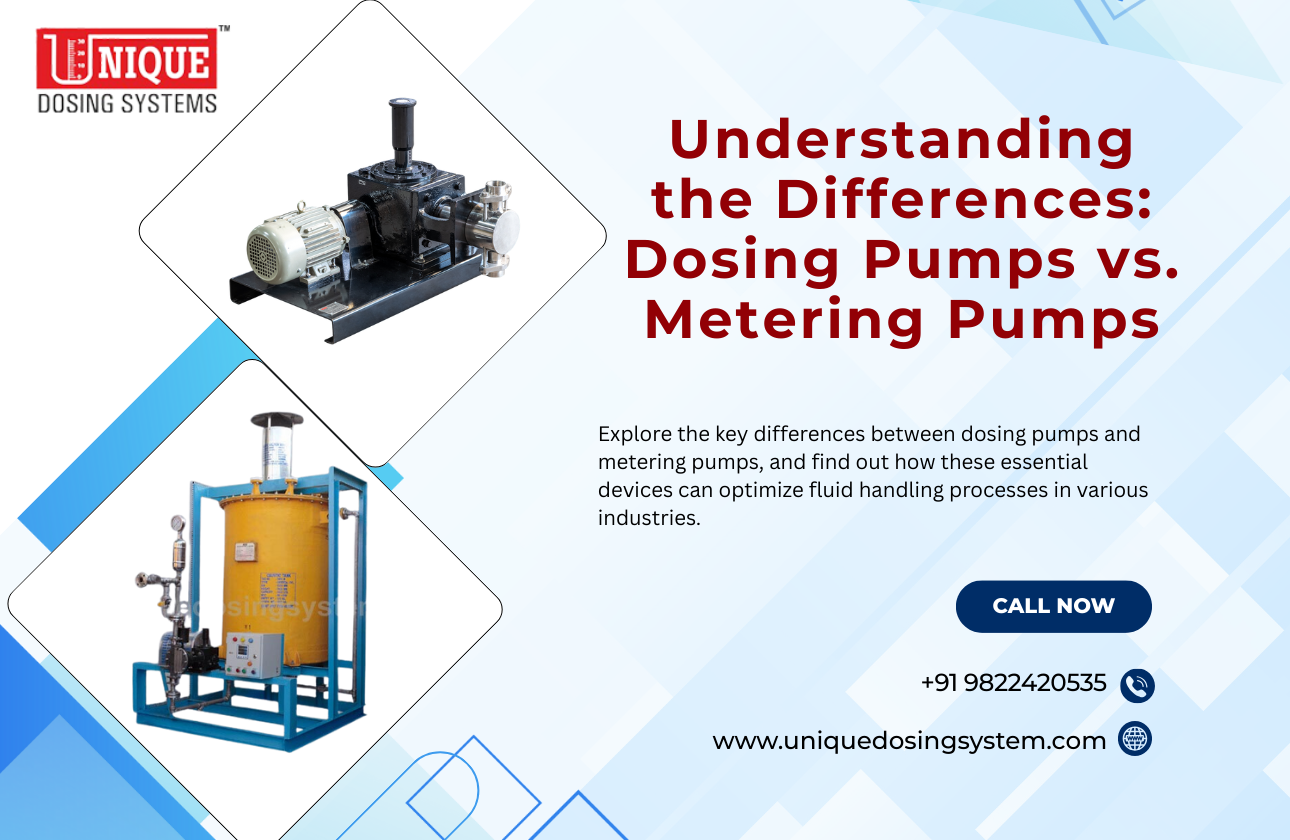
Understanding the Differences: Dosing Pumps vs. Metering Pumps
In various industries, precise fluid handling is crucial for efficiency and safety. Two critical components in achieving this precision are dosing pumps and metering pumps. While often used interchangeably, these two types of pumps have distinct purposes and features. Understanding their differences can help in selecting the right pump for your specific needs.
What is a Dosing Pump?
A dosing pump is specifically designed to inject a precise amount of liquid into another fluid stream. This type of metering pumps is commonly used in chemical processes, water treatment facilities, and food and beverage industries where controlled addition of chemicals, flavors, or other substances is required. Dosing pumps are valued for their ability to provide consistent, accurate doses time after time.
Key Features of Dosing Pumps
- Accuracy: Dosing pumps are engineered for high precision, ensuring that just the right amount of fluid is added to a system.
- Versatility: These pumps can handle a wide range of chemicals and can be adjusted for different flow rates.
- Reliability: Built to withstand harsh conditions, dosing pumps deliver stable performance, minimizing downtime.
What is a Metering Pump?
Metering pump share some similarities with dosing pumps but are distinct in their design and functionality. They are used in applications requiring the exact volume of liquid to be delivered at a precise flow rate. Metering pumps are essential in industries such as pharmaceuticals, oil and gas, and manufacturing.
Key Features of Metering Pumps
- Precision: High-precision flow control is the hallmark of metering pumps, allowing for extremely accurate fluid movement.
- Adjustable Flow Rates: These pumps can be fine-tuned to deliver different amounts of fluid according to specific requirements.
- Durability: Designed to handle various chemicals and work continuously, metering pump are robust and reliable.
Comparing Dosing Pumps and Metering Pumps
While both dosing pump and metering pumps are used to control fluid delivery, the primary difference lies in their accuracy and application. Dosing pumps focus on adding a specific volume at a precise moment, whereas metering pumps ensure continuous exact flow over time. Such differences mean that selecting the appropriate pump depends on your process requirements.
For processes demanding stringent accuracy in short bursts, such as injecting chemicals into water treatment systems, a dosing pump is ideal. Conversely, if your operations require maintaining a consistent flow, for example, in pharmaceutical production, then a metering pump would be better suited.
Conclusion
The distinction between dosing pump and metering pumps might seem subtle, but understanding these differences is vital for optimizing operations and ensuring efficiency, accuracy, and reliability in fluid handling applications. By selecting the right pump, you can enhance your operational effectiveness and ensure compliance with industry standards.
Whether you're involved in chemical processing, water treatment, or pharmaceutical production, recognizing the nuances of dosing and metering pumps can significantly impact your bottom line. For more information and advice tailored to your specific needs, consult with a trusted fluid control solutions provider.