
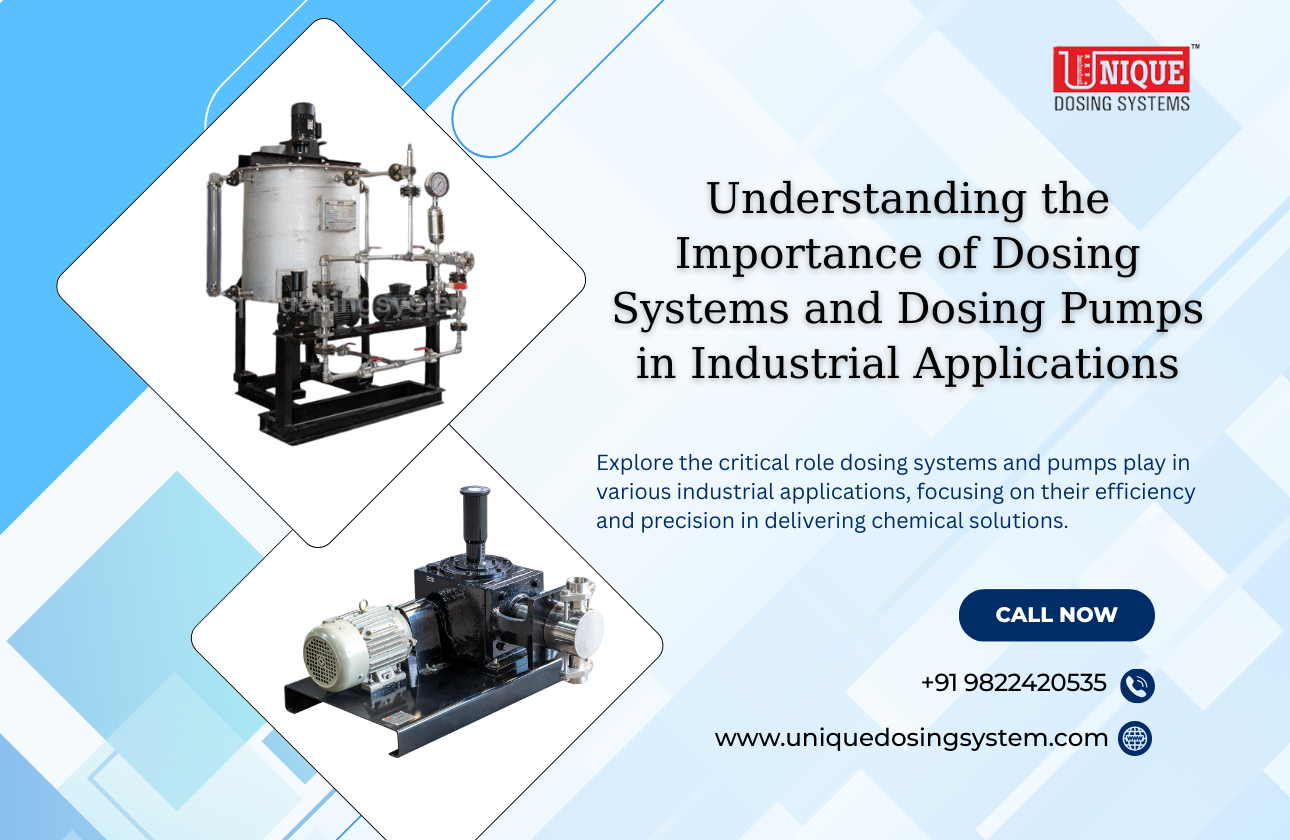
Understanding the Importance of Dosing Systems and Dosing Pumps in Industrial Applications
In today's industrial landscape, the need for precision and efficiency cannot be overstated. Dosing systems and dosing pumps serve as pivotal components in various sectors, including water treatment, pharmaceuticals, and chemical processing. These systems ensure the accurate dispensing of liquids, enhancing productivity and minimizing waste. This article delves into the critical roles these devices play and their benefits to industrial processes.
What Are Dosing Systems?
Dosing systems consist of a comprehensive setup that includes dosing pumps, control units, valves, and other necessary components designed to handle the precise mixing and delivery of chemical solutions. These systems are essential in maintaining consistent product quality and keeping operational costs low. They are commonly used in applications such as wastewater treatment, food processing, and chemical manufacturing.
The Role of Dosing Pumps
Dosing pumps are the heart of any dosing system. These specialized pumps are engineered to move a specific volume of liquid during each cycle, providing accurate flow rates regardless of counter-pressure. This makes dosing pumps invaluable in applications requiring exact chemical dosing, such as chlorination of drinking water, pH control of pools, and the injection of additives into food and beverages.
Types of Dosing Pumps
There are several types of dosing pumps, each suited for different applications and materials:
- Diaphragm Dosing Pumps: These are widely used due to their accuracy and capability to handle both corrosive chemicals and viscous liquids.
- Piston Dosing Pumps: Known for their precision, piston pumps are ideal for high-pressure applications.
- Peristaltic Dosing Pumps: These are perfect for applications where the liquid is sensitive to shearing.
Benefits of Using Dosing Systems and Pumps
Implementing dosing systems and pumps offers several advantages:
- Accuracy: These systems provide precise control over the amount of chemical or liquid being dispensed, ensuring consistent results.
- Efficiency: Automated dosing reduces the need for manual intervention, freeing up resources and reducing human error.
- Cost-Effective: By minimizing waste through accurate dosing pump, industries can see substantial cost savings over time.
Applications of Dosing Systems
The versatility of dosing systems is evident in their broad range of applications, including:
- Water Treatment: Ensures the safe and effective use of chemicals to purify or cleanse water.
- Food and Beverage Industry: Adds precise amounts of additives or preservatives, enhancing product quality and safety.
- Industrial Manufacturing: Facilitates the accurate mixing of raw materials to produce durable and consistent products.
Conclusion
Dosing pump play a crucial role in enhancing the efficiency and effectiveness of industrial processes. Their ability to deliver precise amounts of liquids makes them indispensable in maintaining quality and compliance within various industries. Whether you are in the chemical, pharmaceutical, or food processing industry, understanding and leveraging these systems can lead to significant operational improvements and cost savings.