
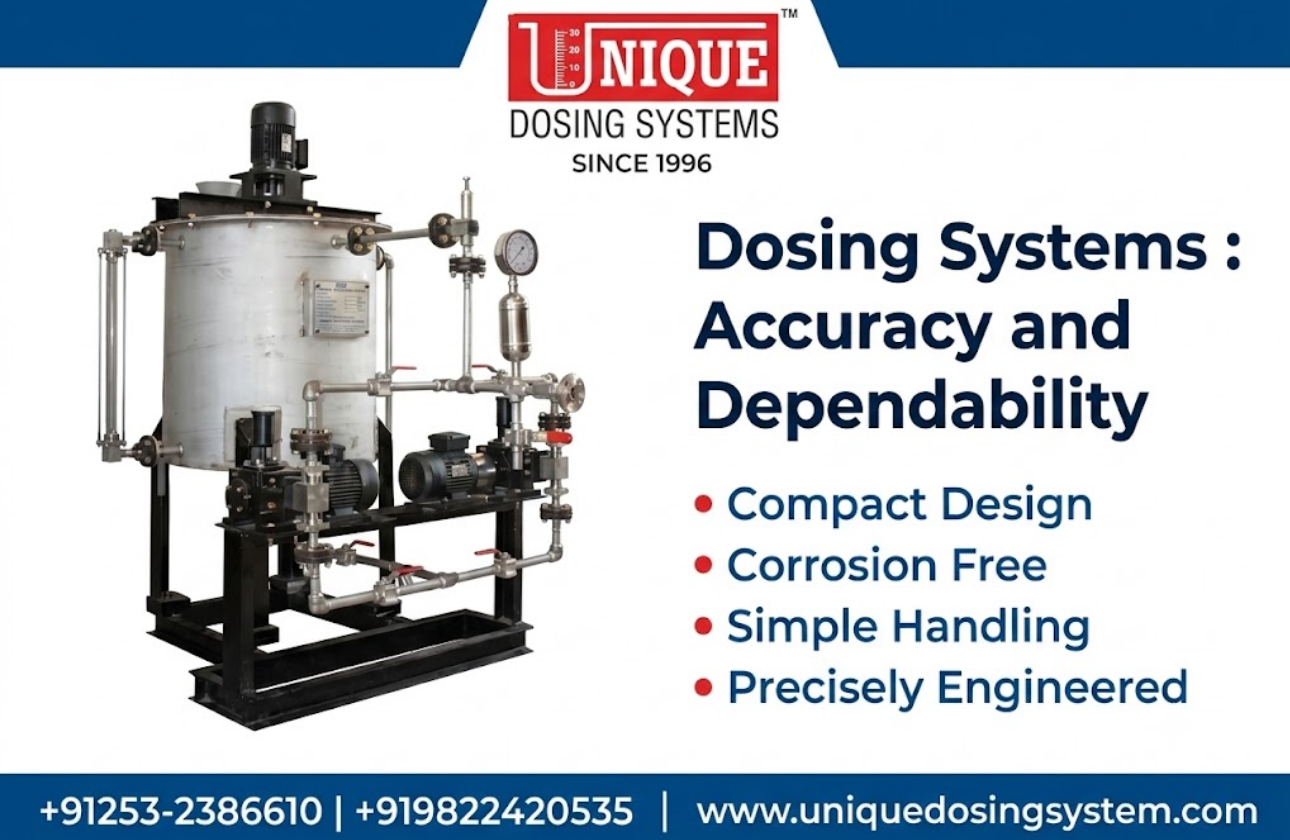
What Are Dosing Pumps?
Dosing pumps are specialized devices designed to deliver precise volumes of fluid into a process or system. They are commonly used in industries such as water treatment, pharmaceuticals, food production, and chemical processing. Unlike regular pumps, dosing pumps allow for exact control over the flow rate, meaning you can set them to pump exactly the amount of fluid needed, even if that amount is very small. This precision makes them ideal for applications where accuracy is crucial, such as in chemical dosing or pH adjustment processes.
The Importance of Dosing Pumps
The significance of dosing pumps in modern industrial processes cannot be overstated. They help maintain optimal conditions in various chemical and water treatment processes. For instance, in chemical industries, these pumps are used to accurately add ingredients or preservatives to mixtures, ensuring product consistency and quality. In water treatment facilities, they play a vital role in dosing disinfectants to maintain safe and clean water. Without dosing pumps, it would be challenging to achieve the precision necessary in these applications, leading to potential safety risks and increased operational costs.
Types of Dosing Pumps
Dosing pumps come in various types, each suited to different applications. The most common types are diaphragm pumps, peristaltic pumps, and piston pumps. Diaphragm pumps use a diaphragm to control fluid volume and are famous for their precision. Peristaltic pumps work by squeezing a tube that contains the fluid, suitable for handling viscous or corrosive fluids. Piston pumps, on the other hand, use a piston to pump the fluid and are often used for high-pressure applications. Understanding the specific needs of your process is crucial in selecting the right type of dosing pump.
Applications of Dosing Pumps
Dosing pumps are widely utilized across various industries due to their ability to deliver precise amounts of liquid. In food production, dosing pumps help in adding flavors or preservatives to ensure consistency in taste and quality. In the pharmaceutical sector, they are crucial for mixing and preparing medications. In environmental applications, they are used in water and waste treatment to add chlorine or other disinfectants. Their versatility and precision make them indispensable tools in areas where accurate fluid management is essential.
Advantages of Using Dosing Pumps
The advantages of using dosing pumps in industrial and commercial applications are numerous. Firstly, they provide precise and controlled dosing, crucial for maintaining product quality and safety. Secondly, their automation capabilities reduce the need for manual intervention, saving time and labor costs. Dosing pumps are also versatile, suitable for a wide range of fluids, including viscous or corrosive substances. Additionally, they can help reduce waste by ensuring no excess chemicals are added, benefiting both the environment and the bottom line.
Choosing the Right Dosing Pump
Selecting the right dosing pump involves considering several factors, including the type of fluid being pumped, the required flow rate, and the operating environment. It's essential to analyze the specific needs of your application and choose a pump that meets those requirements. Diaphragm pumps, for example, are excellent for applications needing high precision, while peristaltic pumps might be chosen for handling abrasive fluids. Consulting a professional or referring to detailed guides can assist in making an informed decision.
Maintenance of Dosing Pumps
Like any other industrial equipment, dosing pumps require regular maintenance to ensure their reliability and efficiency. A routine maintenance program involves checking the pump for wear and tear, ensuring seals and joints are intact, and verifying the calibration of the dosing rate. Periodic inspections can prevent unexpected breakdowns and extend the lifespan of the pump. It's crucial to follow the manufacturer's maintenance guidelines and keep maintenance logs to track the pump's performance over time.
Innovations in Dosing Pump Technology
The field of dosing pumps is constantly evolving, driven by advances in technology and the changing needs of industries. Modern dosing pumps are becoming smarter with integrated systems that allow remote monitoring and control. This is particularly useful for large operations that demand real-time data and precision. Some pumps are now equipped with sensors that detect flow rate anomalies, ensuring the process remains accurate and efficient. With these innovations, industries can enhance their operational efficiency and reduce the chance of human error.
Frequently Asked Questions
1. What is the primary function of a dosing pump?
Answer: The primary function of a dosing pump is to deliver a precise amount of liquid into a system or process. This precision is crucial in industries like pharmaceuticals, water treatment, and chemical processing to ensure optimal conditions and consistent product quality.
2. How do dosing pumps differ from regular pumps?
Answer: Unlike regular pumps, dosing pumps are designed to provide precise control over the volume and flow rate of fluids. They are specifically used in applications where the accuracy of fluid delivery is critical, unlike regular pumps that generally focus on moving fluids efficiently without precision control.
3. What factors should be considered when choosing a dosing pump?
Answer: When selecting a dosing pump, consider the type of fluid, required flow rate, application-specific needs, and the operational environment. It's essential to align the pump's capabilities with the demands of the intended application, potentially consulting resources like comparative guides or professional expertise.
4. Can dosing pumps handle corrosive or viscous fluids?
Answer: Yes, dosing pumps are designed to handle a variety of fluids, including corrosive or viscous substances. When dealing with such materials, it's essential to select a pump type specifically engineered for those conditions, such as peristaltic or diaphragm pumps.
5. Why is maintenance important for dosing pumps?
Answer: Regular maintenance is crucial for dosing pumps as it ensures they operate efficiently and prolongs their life. Maintenance activities involve checking for wear, calibrating flow rates, and ensuring all parts are in good condition to prevent breakdowns and maintain precision in fluid delivery.